
Where Does Seller Leverage Really Come From?
Updated November 17, 2026

Where Does Seller Leverage Really Come From?
Seller leverage depends on more than market activity alone. Pricing, property condition, competing listings, and buyer demand all influence how much negotiating flexibility a seller may have.
📝 Introduction
A seller's negotiating position is shaped by the conditions surrounding their specific property. Even within the same city, homes can face different levels of competition depending on price range, condition, location, and available inventory. A property that is carefully prepared, competitively priced, and presented clearly may attract more serious consideration from buyers. However, presentation alone cannot create demand or guarantee favorable terms. Sellers who review local market conditions and develop a coordinated listing plan are better prepared to respond to buyer activity and evaluate their options when negotiations begin.
🔑 5 Pro Moves Sellers Can Make to Strengthen Their Position
1. Prepare Your Home Before Launch
Property condition and presentation can influence how buyers evaluate a listing.
Now: Clean, organize, address visible wear, and complete practical improvements before photography and showings.
2. Use Strategic Pricing to Strengthen Positioning
An asking price influences how a home compares with similar properties available to buyers.
Now: Review recent comparable sales, active competing listings, and local market trends before selecting a listing price.
3. Make Your Marketing Clear and Accurate
Effective marketing helps buyers understand a property's features, condition, and layout before visiting.
Now: Use professional photography, informative video tours when appropriate, and accurate listing descriptions that highlight relevant property strengths.
4. Set Clear Expectations for Terms
Identifying transaction priorities in advance helps sellers evaluate offers more consistently.
Now: Discuss preferred closing dates, possession arrangements, potential rent-back needs, and contingency considerations with your agent.
5. Launch With a First-Week Focus
Early listing activity can provide useful feedback about buyer interest and market response.
Now: Coordinate marketing, showing availability, and follow-up communication while monitoring feedback and competing inventory.
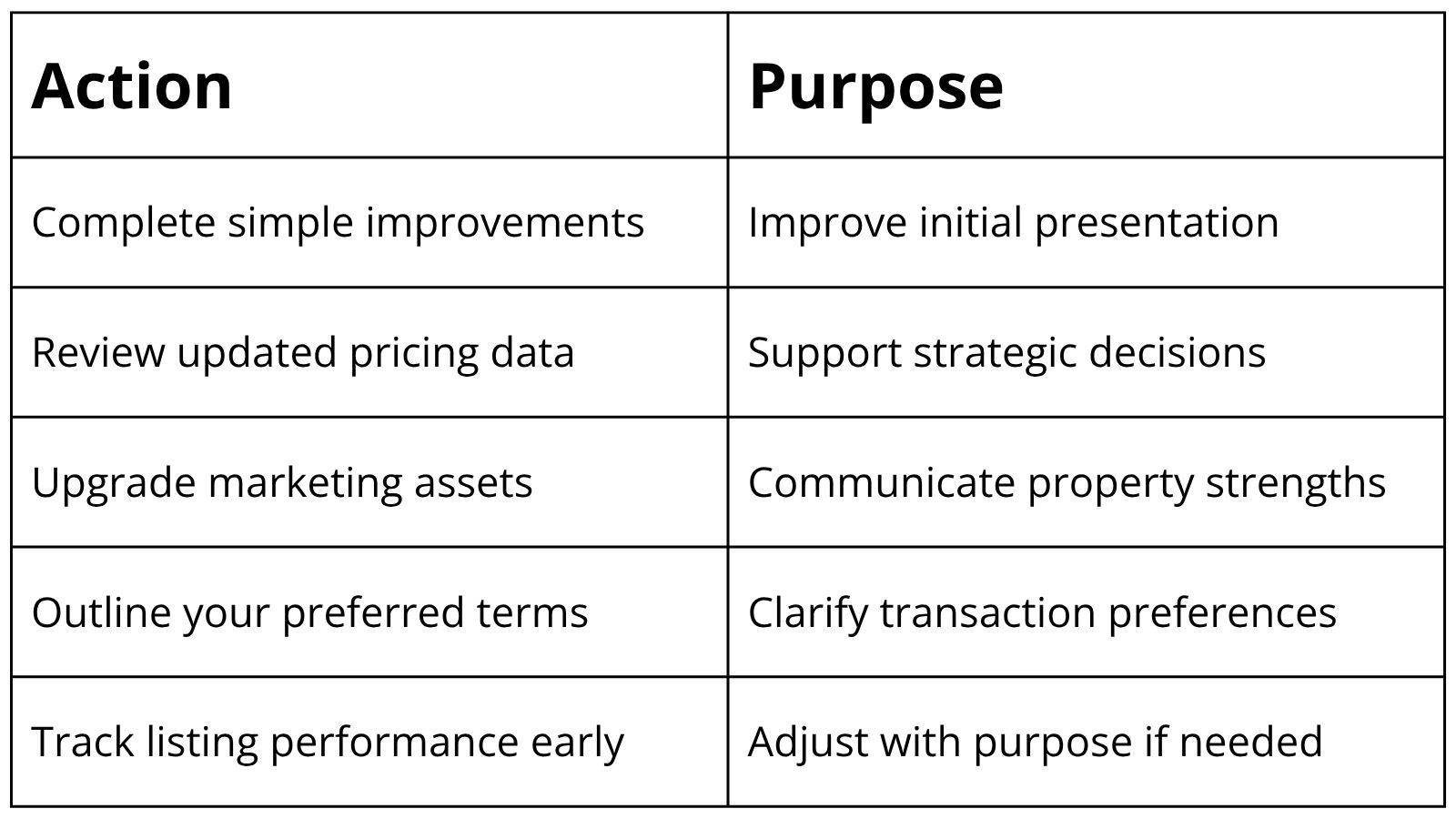
✅ What You Can Do Now
❓ FAQ
Q: What creates seller leverage in today's market?
A: Seller leverage depends on factors such as buyer demand, available inventory, competing properties, pricing, and property condition. These factors can vary considerably between local markets.
Q: How do I know whether my home is positioned effectively?
A: Review comparable sales, competing listings, property condition, pricing, and buyer feedback with your agent. Together, these indicators can help determine whether the current strategy is appropriate.
Q: Does a strong first week guarantee a successful sale?
A: No. Early interest is useful, but results depend on pricing, buyer financing, contract terms, property characteristics, and market conditions throughout the selling process.
🔚 Conclusion
Seller leverage is not determined by preparation alone or by broad market trends. It develops from the relationship between buyer demand, available alternatives, and how a property is positioned. Sellers who understand their local competition, prepare their homes carefully, and maintain a clear marketing strategy are better equipped to evaluate buyer interest and negotiate thoughtfully. The objective is to create a strong market position while remaining responsive to the conditions affecting the property.
This blog is for general informational purposes only and does not constitute legal, tax, accounting, investment, or professional advice. Always consult with qualified professionals before making any decisions based on this content. School information including addresses, phone numbers, and emails was accurate as of the blog’s published date but may change without notice. Please verify directly with the school or institution. This content is provided “as is,” without warranties of any kind. If you are currently under an exclusive agreement with another real estate broker, this blog is not intended as a solicitation.
Contact Us