

Could Seller Concessions Cost You More Than Expected?
Published November 12, 2026

Could Seller Concessions Cost You More Than Expected?
More homebuyers are requesting seller contributions during negotiations, leaving sellers with an important decision. Should you contribute toward a buyer's expenses to complete the sale, or could those concessions reduce your proceeds without providing enough benefit?
📝 Introduction
Seller concessions are becoming an important consideration in today's real estate market. Recent housing reports indicate that more buyers are negotiating seller contributions toward closing costs, repairs, and mortgage expenses. While these requests may help buyers manage their purchasing costs, sellers must evaluate how concessions affect their final proceeds and transaction terms. A concession is not automatically a disadvantage, but it should have a clear financial purpose. Understanding when to offer assistance, how much to consider, and what to request in return can help homeowners make more informed decisions when selling their property.
5 Pro Moves Every Home Seller Should Consider Before Offering Concessions
1. Understand What Buyers Are Actually Requesting
Seller concessions can include contributions toward closing costs, repairs, or certain financing expenses. Closing cost credits and payments toward buyer broker compensation may be negotiated and treated differently under financing guidelines.
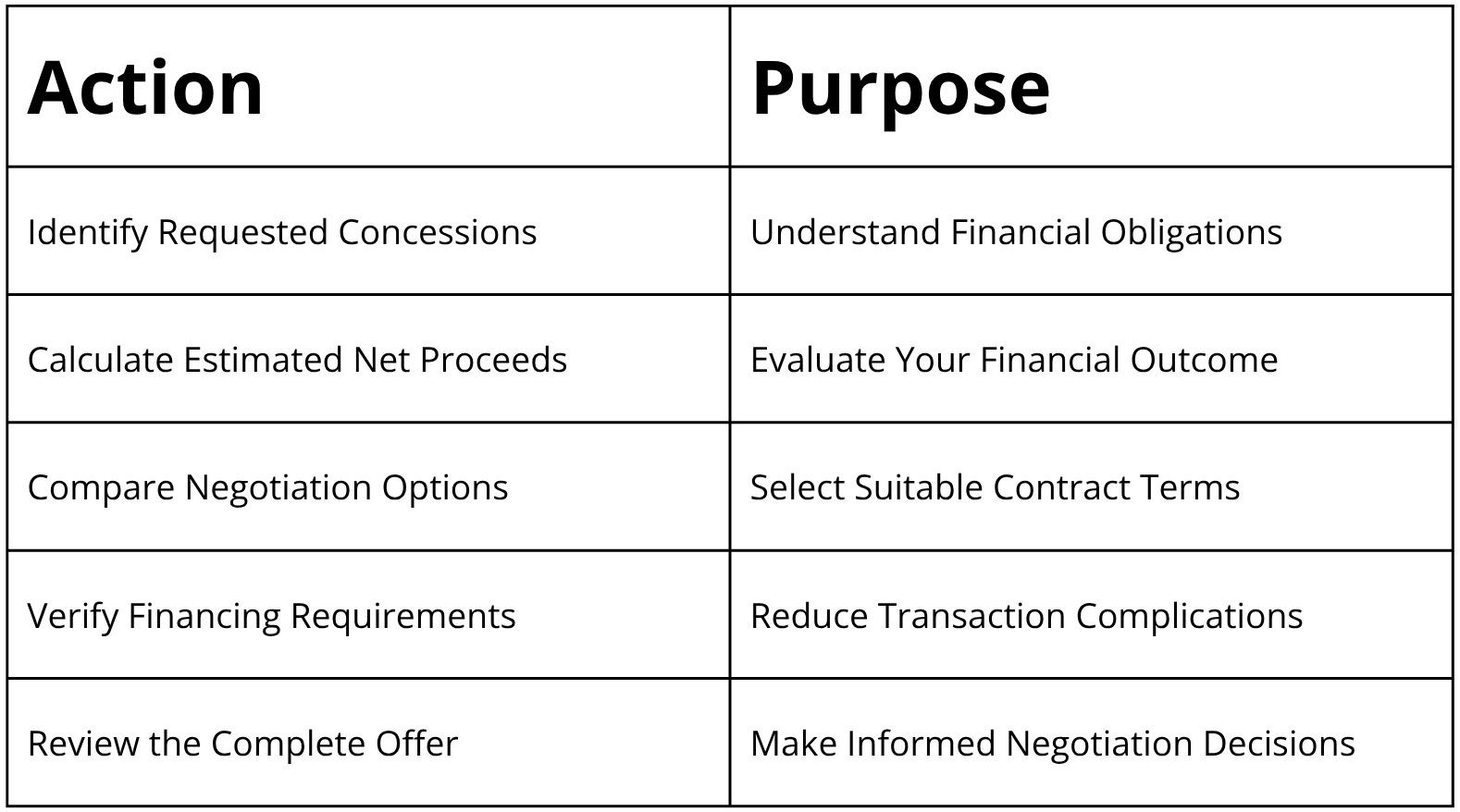
Now: Identify the specific concession requested and determine how it affects your estimated proceeds.
2. Calculate Your Net Proceeds Before Agreeing
An attractive purchase price may become less favorable when seller credits and other transaction expenses are included. Your estimated net proceeds provide a clearer picture of the financial outcome than the purchase price alone.
Now: Request an updated seller net sheet that accounts for all proposed concessions and closing expenses.
3. Compare a Seller Credit With a Price Reduction
A buyer credit and a lower purchase price can have different effects on financing, cash requirements, and closing proceeds. The better option depends on the transaction terms and the buyer's financing.
Now: Compare both approaches before deciding which proposal better supports your selling objectives.
4. Review Financing Restrictions Before Negotiating
Mortgage programs may limit seller contributions based on the loan type, property occupancy, and financing terms. Credits that exceed applicable limits may create underwriting complications or require changes to the transaction.
Now: Confirm proposed credits with the buyer's lender and document the agreed terms in the purchase agreement.
5. Evaluate What You Receive in Return
A concession may be worth considering when it supports an acceptable purchase price, closing schedule, or other favorable contract terms. However, seller contributions should be evaluated as part of the complete agreement.
Now: Review the overall offer and determine whether the requested concession provides a reasonable benefit to the transaction.
✅ What Can You Do?
❓ FAQ
Q: Are sellers required to pay a buyer's closing costs?
A: Generally, no. Seller contributions toward a buyer's closing costs are negotiable and should be documented in the purchase agreement when accepted. Sellers should also review any other closing expenses required by their contract or applicable law.
Q: Is offering a seller concession better than reducing the asking price?
A: Not necessarily. A seller credit may help with certain buyer expenses, while a price reduction changes the purchase price. The financial effect depends on financing terms, applicable credit limits, and the seller's estimated proceeds.
Q: Can offering concessions help sell a home?
A: In some transactions, concessions can address a buyer's financial concerns and help the parties reach an agreement. However, concessions do not guarantee a sale and should be considered alongside pricing, property condition, buyer qualifications, and other contract terms.
🔚 Conclusion
Seller concessions are becoming a more visible part of real estate negotiations, but every request deserves careful consideration. Contributing toward a buyer's closing costs or other expenses may support a transaction when the financial terms align with the seller's objectives. However, agreeing to concessions without reviewing the complete offer could reduce proceeds or create additional obligations. Homeowners should evaluate the financial impact, financing requirements, and potential benefits before making a decision. Whether selling in Silicon Valley or the East Bay, understanding the available negotiation options can help sellers approach offers with greater clarity and confidence.
This blog is for general informational purposes only and does not constitute legal, tax, accounting, investment, or professional advice. Always consult with qualified professionals before making any decisions based on this content. School information including addresses, phone numbers, and emails was accurate as of the blog’s published date but may change without notice. Please verify directly with the school or institution. This content is provided “as is,” without warranties of any kind. If you are currently under an exclusive agreement with another real estate broker, this blog is not intended as a solicitation.
Contact Us