
Home Prices Are Shifting. Is Your Listing Strategy Ready?
Published November 05, 2026

Home Prices Are Shifting. Is Your Listing Strategy Ready?
Recent national housing reports indicate that home prices are facing greater pressure as buyer activity slows. More listings are experiencing price reductions, and sellers are facing an important question: Is their pricing and marketing strategy keeping pace with current market conditions?
📝 Introduction
The latest housing market reports are raising important questions for homeowners considering selling. Recent market trends indicate that home price growth has slowed, buyer activity has weakened, and more sellers are reconsidering their pricing expectations. Although these trends provide important context, they do not reflect every local real estate market. In Silicon Valley and the East Bay, conditions vary by location, property type, and price range. For sellers, understanding current buyer demand, competing inventory, and pricing trends can help determine an effective strategy before listing or while a property is already on the market.
🔑 5 Pro Moves Every Home Seller Should Consider in Today's Market
1. Yesterday's Home Value May Not Reflect Today's Market
Previous home values may no longer reflect current buyer expectations. Recent comparable sales and competing listings provide a more accurate picture of today's market.
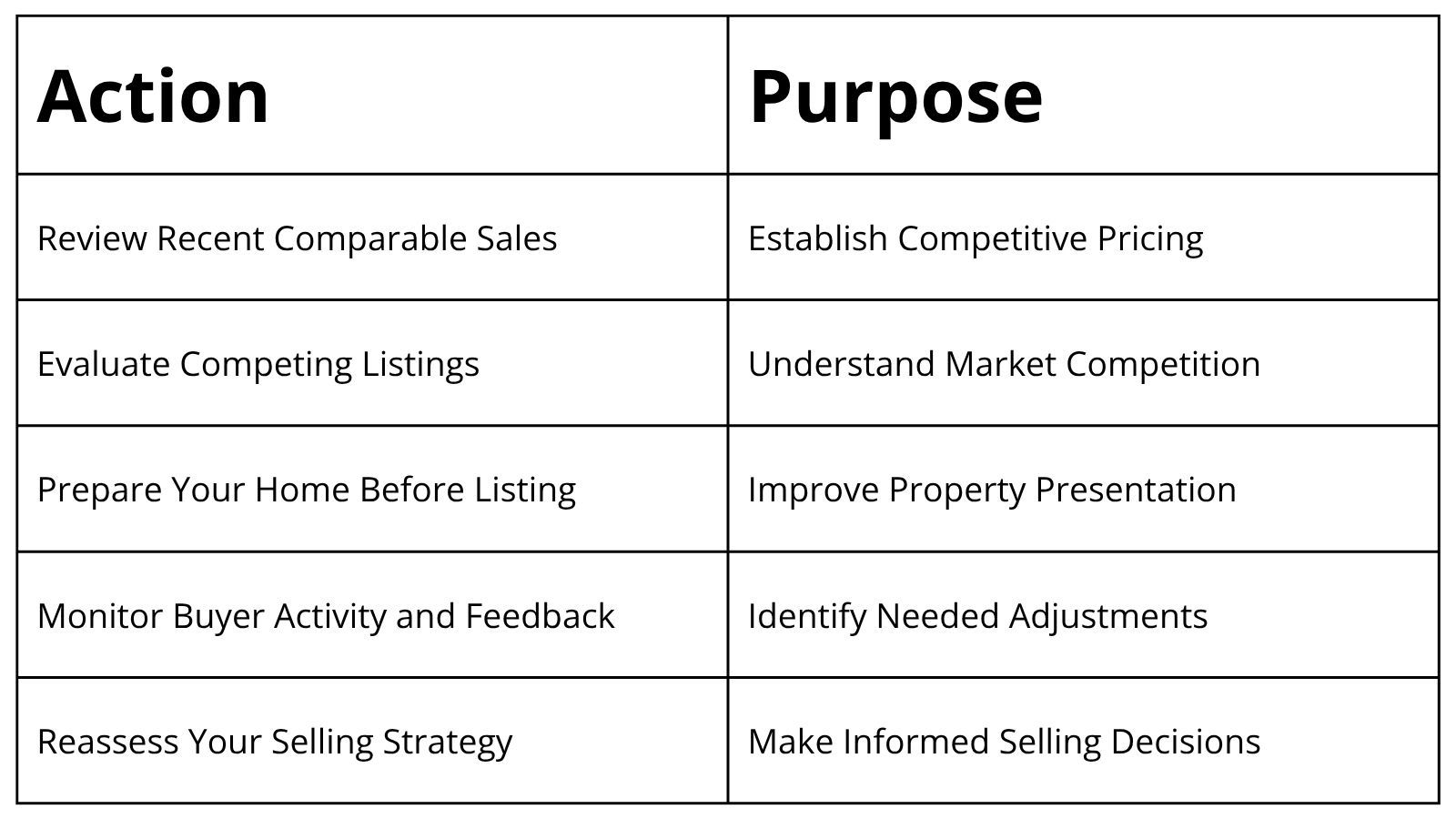
Now: Review recent comparable sales and active listings before determining your asking price.
2. More Listings May Be Competing for Fewer Buyers
Slower buyer activity can increase competition among available properties. Pricing, condition, and presentation can influence which homes attract attention.
Now: Compare your property with competing listings to identify its competitive position.
3. A Price Reduction Should Have a Clear Strategy
Reducing the asking price without identifying the cause of limited buyer interest may not improve results. Pricing, presentation, and marketing performance should be evaluated together.
Now: Review showing activity and buyer feedback before making pricing adjustments.
4. The Initial Listing Period Can Reveal Important Market Feedback
Early showing activity and buyer feedback can provide valuable information about a property's market position. Limited interest may indicate that adjustments deserve consideration.
Now: Evaluate initial listing performance against comparable properties and current market activity.
5. The Strongest Offer Is Not Always the Highest Offer
A higher purchase price does not always represent the most favorable transaction. Financing, contingencies, and closing terms can significantly affect the outcome.
Now: Compare offers based on net proceeds, financing, contingencies, and closing timelines.
✅ What Can You Do?
❓ FAQ
Q: Should I wait to sell my home?
A: The decision depends on your financial objectives, property condition, local market conditions, and timing requirements. Waiting does not automatically result in a higher selling price. A current market analysis can help evaluate the advantages and limitations of selling now versus waiting.
Q: Are home prices falling in Silicon Valley and the East Bay?
A: Market conditions vary by city, neighborhood, property type, and price range. A national price decline does not establish that every local market is experiencing the same trend. Recent comparable sales and current inventory provide more relevant information for evaluating an individual property.
Q: How do I know if my home is overpriced?
A: Limited showing activity, repeated buyer objections concerning price, longer marketing periods than comparable properties, and competing homes selling while yours remains available may indicate a pricing concern. These signals should be evaluated together with property condition, market demand, and listing presentation.
🔚 Conclusion
The latest national housing reports indicate that sellers are operating in a market where buyer activity has slowed and pricing decisions deserve careful attention. This does not mean every homeowner must reduce their asking price or delay selling. It means sellers should evaluate current conditions, understand their competition, and make decisions supported by recent market evidence. Preparation, accurate pricing, effective marketing, and careful review of buyer feedback remain important throughout the selling process. Whether you are considering selling a property in Silicon Valley or the East Bay, understanding its current market position is an important first step toward making informed decisions.
This blog is for general informational purposes only and does not constitute legal, tax, accounting, investment, or professional advice. Always consult with qualified professionals before making any decisions based on this content. School information including addresses, phone numbers, and emails was accurate as of the blog’s published date but may change without notice. Please verify directly with the school or institution. This content is provided “as is,” without warranties of any kind. If you are currently under an exclusive agreement with another real estate broker, this blog is not intended as a solicitation.
Contact Us