
Your Home Is Under Contract. What Could Still Stop the Sale?
Published November 12, 2026

Your Home Is Under Contract. What Could Still Stop the Sale?
Accepting an offer is an important milestone, but it does not mean the sale is complete. Financing concerns, inspection findings, appraisal issues, and contract conditions can still affect a transaction before closing.
📝 Introduction
A home entering escrow is an important step in the selling process, but several matters must still be resolved before ownership transfers. Even after an offer is accepted, unexpected issues can arise that may delay closing or result in a canceled transaction. Although cancellation activity varies by market, sellers should understand that financing, property investigations, appraisal results, and contractual obligations can affect the outcome. Staying informed throughout escrow and responding promptly to transaction requirements can help homeowners address potential concerns before they become significant obstacles.
5 Pro Moves Every Home Seller Should Consider During Escrow
1. Review the Buyer's Financing Position
A mortgage preapproval does not represent final loan approval. Changes in the buyer's financial circumstances or lender requirements may affect financing before closing.
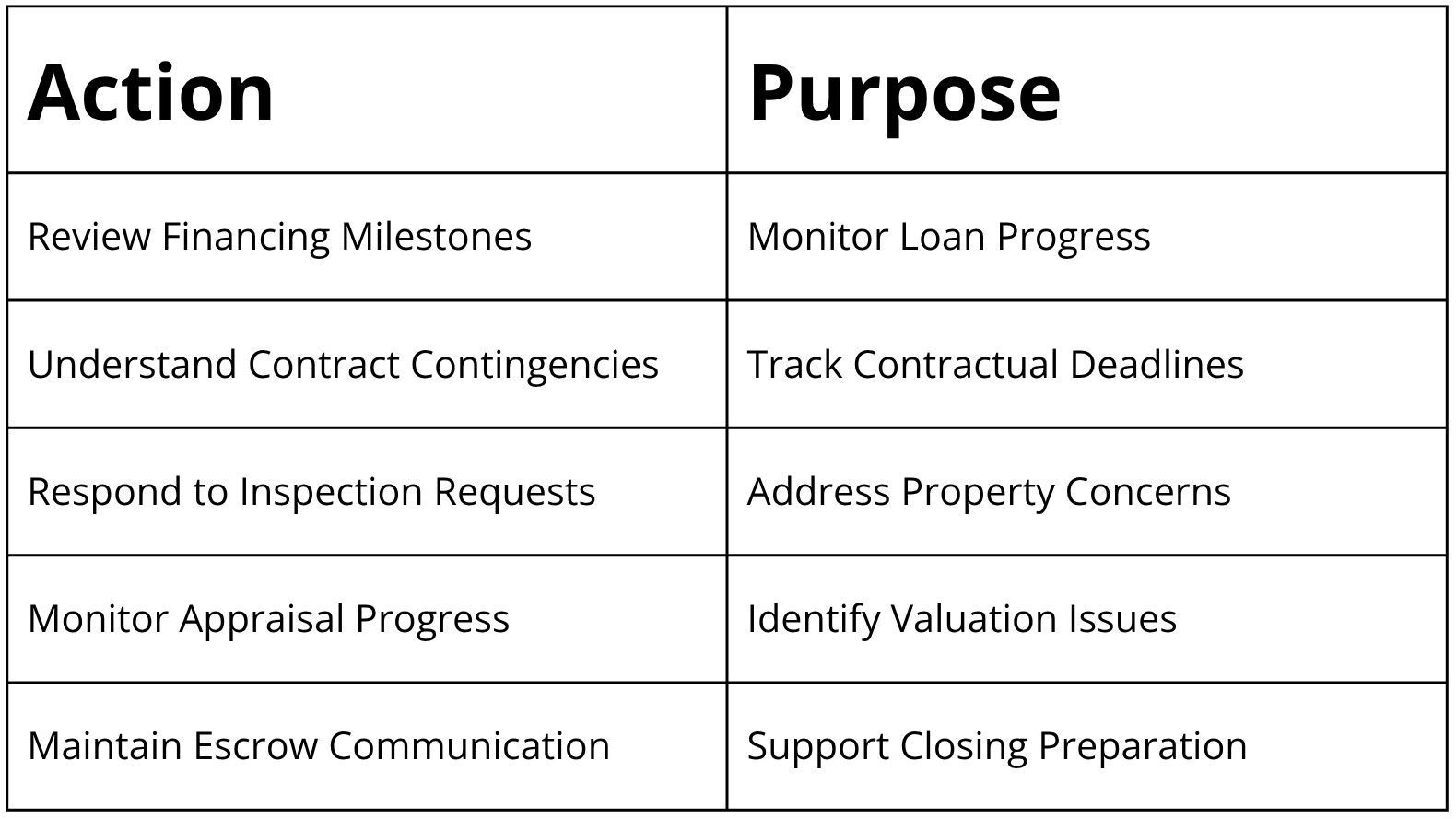
Now: Ask your listing agent to monitor financing milestones and communicate with the buyer's lender when authorized.
2. Understand the Contract Contingencies
Inspection, appraisal, loan, and other contingencies may provide buyers with contractual cancellation rights. Under the standard California purchase agreement, these contingencies generally require written removal and do not automatically expire when their deadlines pass.
Now: Review all contingency deadlines and confirm written removals with your listing agent throughout escrow.
3. Address Inspection Concerns Promptly
Property investigations may identify conditions that lead to additional questions or requests from buyers. Delayed responses can complicate negotiations and affect the transaction schedule.
Now: Review inspection findings and respond to requests through your agent within the applicable contractual timelines.
4. Monitor the Appraisal Process
An appraisal below the agreed purchase price may affect the buyer's financing or lead to additional negotiations. The outcome depends on the lender's requirements and the terms of the purchase agreement.
Now: Ask your agent to track the appraisal timeline and discuss available options if a valuation concern arises.
5. Stay Prepared Until Escrow Closes
A pending sale requires sellers to complete required disclosures, provide agreed property access, and fulfill contractual obligations. Delays in meeting these responsibilities may affect contingency deadlines or the scheduled closing.
Now: Maintain regular communication with your agent and promptly complete required documents and other contractual responsibilities.
✅ What Can You Do?
❓ FAQ
Q: Can a buyer cancel a purchase agreement after entering escrow in California?
A: Yes, under certain circumstances. A buyer's right to cancel depends on the purchase agreement, applicable contingencies, contractual deadlines, and other relevant requirements. Cancellation rights should be evaluated based on the specific transaction.
Q: What happens if a buyer's financing falls through?
A: A financing problem may delay closing, lead to further negotiations, or result in cancellation, depending on the contract and applicable contingency provisions. The seller should review the circumstances with their real estate agent and seek legal guidance when contractual rights are disputed.
Q: Can a seller keep the buyer's deposit if the transaction is canceled?
A: Not automatically. Whether the seller is entitled to the deposit depends on the purchase agreement, the reason for cancellation, and applicable California law. Even when a party has a contractual right to cancel, releasing the deposit generally requires mutual escrow instructions or an appropriate legal determination if the parties disagree.
🔚 Conclusion
A pending home sale represents meaningful progress, but the transaction remains subject to financing, property investigations, contractual deadlines, and other closing requirements. Sellers should remain involved throughout escrow and maintain communication with their real estate agent as each stage progresses. Reviewing contingencies, monitoring financing and appraisal developments, and responding promptly to requests can help identify potential concerns while there is still time to address them. For homeowners selling in Silicon Valley or the East Bay, understanding the escrow process can support informed decisions and more effective transaction planning through closing.
This blog is for general informational purposes only and does not constitute legal, tax, accounting, investment, or professional advice. Always consult with qualified professionals before making any decisions based on this content. School information including addresses, phone numbers, and emails was accurate as of the blog’s published date but may change without notice. Please verify directly with the school or institution. This content is provided “as is,” without warranties of any kind. If you are currently under an exclusive agreement with another real estate broker, this blog is not intended as a solicitation.
Contact Us