
South San Francisco: Birthplace of Biotechnology
Updated November 9, 2026
South San Francisco: Birthplace of Biotechnology
South San Francisco is a San Mateo County city known for its biotechnology industry, hillside residential areas, established neighborhoods, downtown district, Oyster Point shoreline, BART station, and Caltrain service. Housing ranges from older homes near downtown and Sign Hill to postwar subdivisions, hillside properties, condominiums, townhomes, apartments, and planned developments near major transportation corridors.
📝 Introduction
South San Francisco developed from ranch and agricultural land into a major industrial center during the twentieth century. Manufacturing, shipbuilding, meatpacking, and other industries contributed to its longtime "Industrial City" identity before biotechnology became a major part of the local economy. Genentech established its South San Francisco presence in 1978, helping establish the city's later identity as the Birthplace of Biotechnology. Today, residential neighborhoods west of U.S. 101 contrast with the research, office, industrial, and shoreline districts east of the freeway.
📍 What Defines South San Francisco
- South San Francisco is a separate incorporated city in San Mateo County and is not part of the City and County of San Francisco.
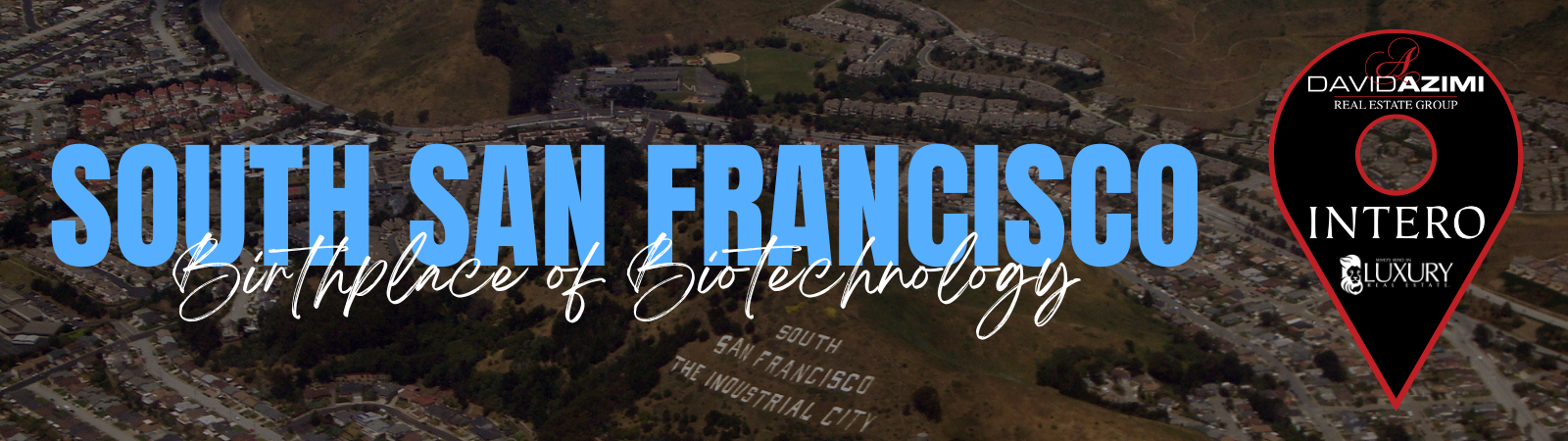
- The "South San Francisco The Industrial City" slogan was first placed on Sign Hill in 1923 and was later made permanent in cement, reflecting the city's twentieth-century industrial development.
- The East of 101 area contains one of the Peninsula's major concentrations of biotechnology, life-science, research, office, and industrial properties.
- Genentech maintains its headquarters in South San Francisco and traces its local campus history to 1978.
- BART and Caltrain serve different parts of South San Francisco, creating separate transit settings for residential and commercial property.
🎉 Fun Fact
The Industrial City slogan first appeared on Sign Hill in 1923 as a temporary promotional display. After local voters approved funding, the hillside lettering was made permanent in cement in 1929 and remains one of South San Francisco's most recognizable landmarks.
🏡 Residential Setting and Housing
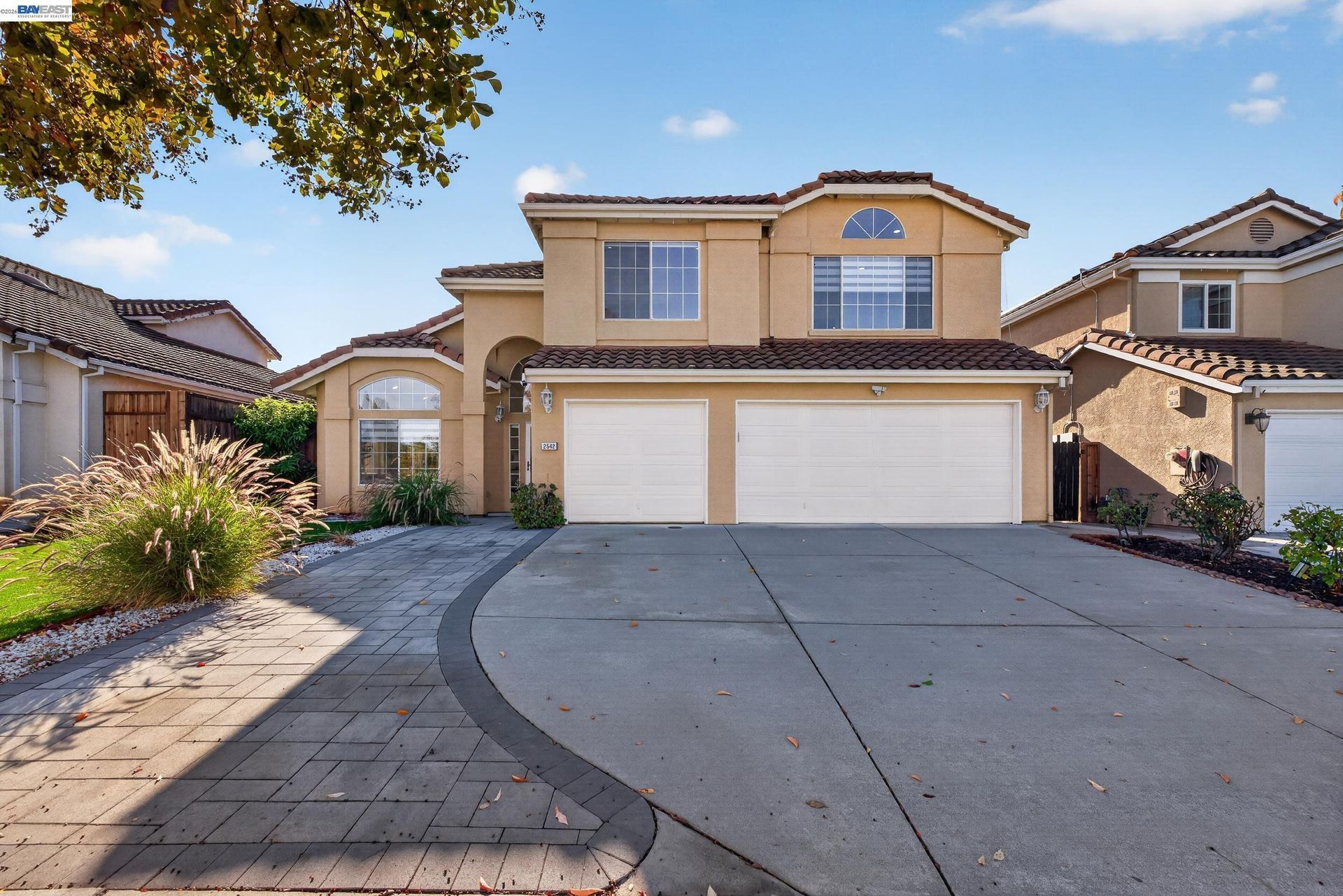
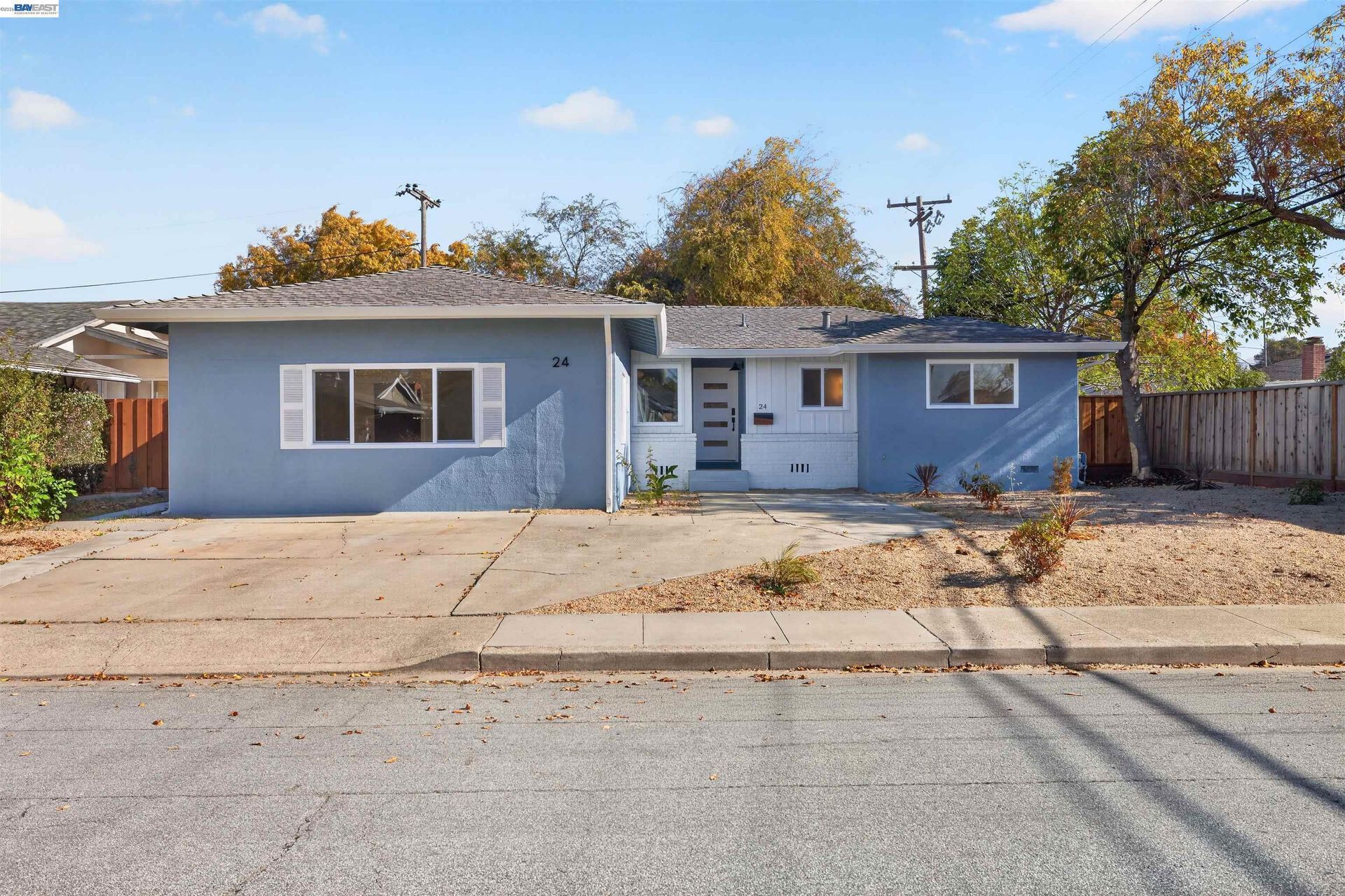
- Older Detached Homes: South San Francisco contains older detached residences near downtown, Sign Hill, and other established areas. Construction age, lot configuration, garage arrangement, additions, building systems, and permit history can vary considerably between properties.
- Postwar Detached Homes: Large portions of the city contain detached homes developed during the decades following World War II. Remodeling, additions, garage modifications, accessory dwelling units, landscaping, and other improvements have changed many homes from their original configurations.
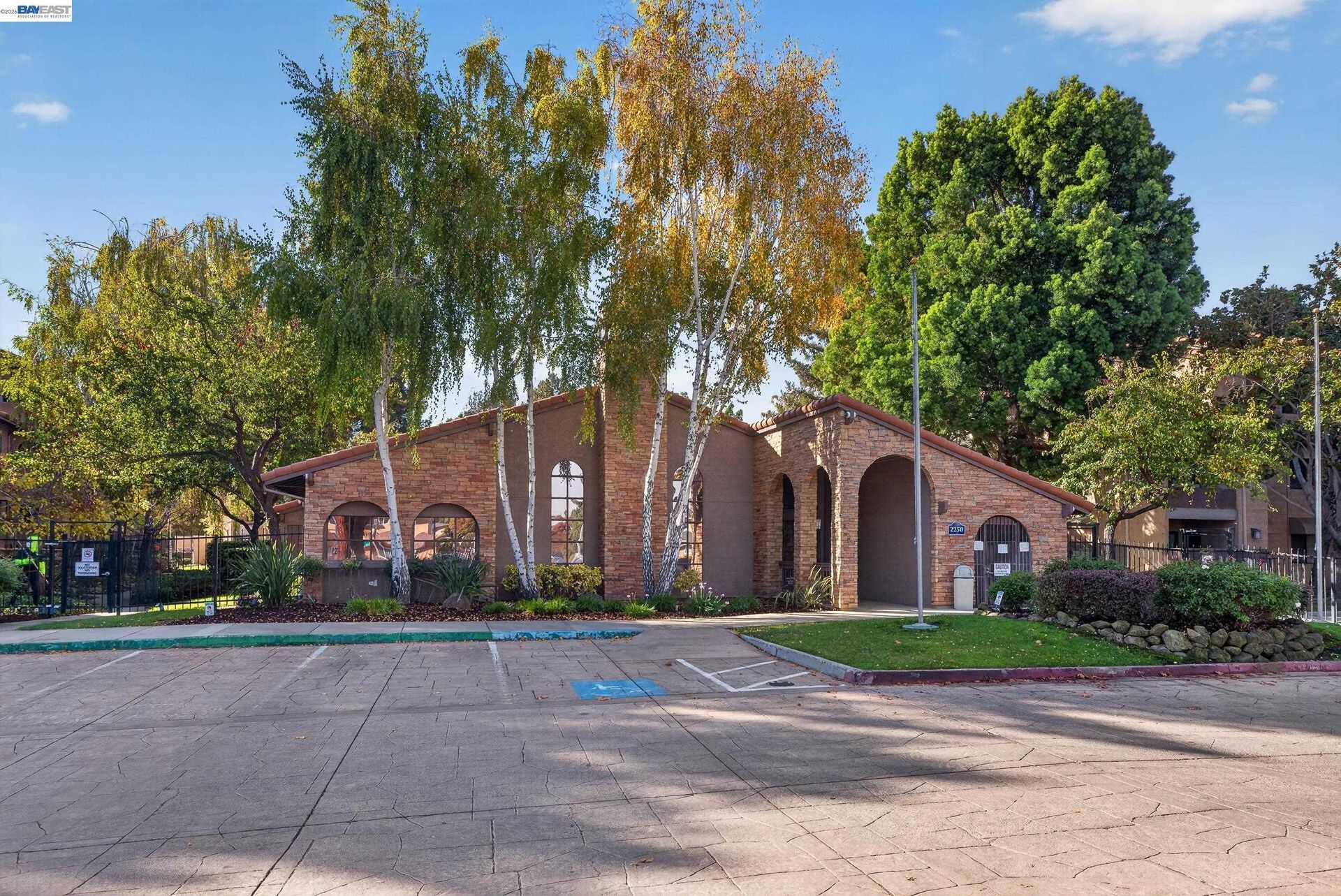
- Condominiums and Townhomes: Attached ownership housing is found throughout South San Francisco, including western neighborhoods, hillside developments, and areas near transportation corridors. Homeowners association documents, insurance, assessments, parking, common areas, and maintenance responsibilities can differ by property.
- Apartments and Multifamily Housing: Apartments and other multifamily buildings are more common near downtown, El Camino Real, transit stations, and other higher-density areas. Construction period, parking, building systems, and surrounding land uses can vary significantly.
- Hillside and Elevated Properties: Homes on sloped terrain can involve retaining structures, drainage, foundation conditions, driveway grade, vegetation, grading history, and lot configuration that differ from properties on flatter streets.
💼 Business and Employment Areas
- East of 101 Biotechnology District: Research laboratories, biotechnology companies, pharmaceutical operations, offices, and supporting businesses occupy a substantial portion of the land east of U.S. 101.
- Genentech Campus: Genentech's South San Francisco headquarters forms one of the city's largest biotechnology employment campuses and remains closely associated with the city's biotech identity.
- Oyster Point: Research and office campuses occupy land near the shoreline, marina, Bay Trail, and newer public-space improvements.
- Downtown Grand Avenue: Restaurants, retail businesses, professional services, civic facilities, housing, and the nearby Caltrain station create a commercial district separate from the East of 101 employment area.
- Lindenville: Historically associated with industrial, warehouse, manufacturing, and service uses, Lindenville is now subject to a Specific Plan that provides for continued employment uses together with housing, commercial activity, public spaces, and other future development.
📊 Real Estate Overview
South San Francisco real estate varies considerably according to terrain, construction period, transportation access, and surrounding land use. Older downtown residences, postwar subdivisions, hillside homes, attached properties, and newer transit-area housing can differ in foundations, lot configuration, parking, association obligations, drainage, permits, and nearby development.
Property Differences by Setting
- Older properties near downtown, Sign Hill, and other established areas may have decades of remodeling, additions, garage conversions, accessory structures, and utility upgrades. Reviewing permit records can help clarify how the present property differs from its original construction.
- Hillside homes in areas such as Sign Hill, Paradise Valley, Terrabay, and portions of western South San Francisco can require closer attention to slope, drainage, retaining walls, foundations, driveway grade, vegetation, and previous grading work.
- Properties near BART, Caltrain, El Camino Real, or downtown may have a different context involving parking, multifamily development, transit access, traffic, and nearby planning activity. Housing near U.S. 101 can also have a closer relationship to major employment and industrial areas.
Development and Land Use Context
- Land use in South San Francisco varies from established residential neighborhoods west of U.S. 101 to biotechnology and research districts near the Bay, downtown commercial areas, transportation corridors, and locations planned for additional housing and mixed-use development.
- Lindenville has its own Specific Plan that allows the historically industrial district to evolve with additional housing, employment, commercial activity, and public spaces. Buyers and sellers near Lindenville, downtown, transit areas, or major employment districts should review current zoning, approved projects, and nearby development activity for the individual property.
🌳 Parks, Trails and Local Attractions
- Sign Hill Park: Trails and open hillside land surround the large Industrial City letters, connecting recreation with one of South San Francisco's principal historical landmarks.
- Orange Memorial Park: This centrally located recreation area contains sports facilities, open spaces, community facilities, and connections to nearby civic and residential areas.
- Oyster Point Shoreline Park: The Bay-side area contains walking routes, Bay Trail connections, picnic facilities, shoreline access, marina facilities, and public-space improvements along the eastern side of South San Francisco.
- Centennial Way: This linear multiuse route follows a transportation corridor through western and central South San Francisco and connects several neighborhoods, parks, and public facilities.
- Westborough Park: Located in western South San Francisco, the park provides neighborhood recreation space within an area characterized by later twentieth-century residential development.
🏘️ Residential Settings Across South San Francisco
- Downtown and Old Town: Older detached homes, apartments, and multifamily properties sit near Grand Avenue, local businesses, civic facilities, and the Caltrain corridor.
- Sign Hill and Stonegate: Residential streets extend across sloped terrain near Sign Hill, where elevation, retaining structures, drainage, driveway access, vegetation, and views can distinguish individual properties.
- Avalon, Brentwood and Southwood: Established neighborhoods contain primarily detached homes developed during the twentieth century, with substantial variation created by later remodeling, additions, and property improvements.
- Buri Buri and Westborough: Western South San Francisco contains detached homes, condominiums, townhomes, parks, schools, and residential areas closer to Interstate 280 and higher terrain.
- ParadiseValley and Terrabay: Residential development near the northern hills includes detached and attached housing, planned developments, association-governed properties, steeper terrain, and closer relationships to San Bruno Mountain.
🚆 Transportation and Regional Access
- U.S. 101 runs through eastern South San Francisco and separates much of the city's residential area from the biotechnology and employment districts closer to the Bay.
- Interstate 280 provides north and south freeway access along the western side of the city.
- Interstate 380 connects U.S. 101 and Interstate 280 and provides access toward San Francisco International Airport and surrounding Peninsula destinations.
- South San Francisco BART Station is located on Mission Road and provides regional rail service toward San Francisco, the East Bay, Millbrae, and San Francisco International Airport.
- South San Francisco Caltrain Station is located near downtown and East Grand Avenue and provides Peninsula rail service between San Francisco and communities to the south.
- SamTrans and the City's South City Shuttle provide additional connections between residential neighborhoods, BART, Caltrain, commercial areas, and public facilities.
📚 Schools and Education
- South San Francisco High School: The B Street campus offers Advanced Placement coursework, Career Technical Education pathways, visual and performing arts, electives, and a Middle College option through Skyline College.
- El Camino High School: Programs at the Mission Road campus include culinary arts, biotechnology, multimedia, dance, visual and performing arts, Advanced Placement coursework, and college-credit opportunities through Middle College.
- Alta Loma Middle School: Students can select specialized courses such as Automation and Robotics, Modeling and Design, Medical Detectives, art, drama, band, Spanish, and other middle-grade electives.
- Buri Buri Elementary School: The Del Monte Avenue campus serves elementary grades with instruction in language arts, mathematics, science, social studies, physical education, and English language development, beginning with Transitional Kindergarten programming.
- South San Francisco Adult Education: Adult education programs provide options that include high school diploma completion and HiSET preparation, with current offerings available through in-person, hybrid, and online formats.
✅ What Can You Do?
For Buyers
- For hillside properties, review drainage, retaining walls, foundations, driveway grade, slope conditions, and available grading or building permits before comparing the home with properties on flatter streets.
- When considering an older downtown or central South San Francisco home, identify additions, garage conversions, accessory dwelling units, and major remodeling through available permit records.
- If access to rail transportation matters, confirm whether the property is better positioned for BART or Caltrain because the two South San Francisco stations are in different parts of the city.
- For condominiums, townhomes, and planned developments, examine homeowners association documents, insurance, assessments, parking rights, and common-area responsibilities for the individual property.
- When reviewing homes near U.S. 101 or major planning areas, consider the property's relationship to existing biotechnology, industrial, commercial, and redevelopment sites rather than relying only on the residential street.
For Sellers
- For older homes, organize permits and improvement records to distinguish original construction from later additions, conversions, remodeling, or accessory structures.
- For hillside properties, make available any records concerning retaining walls, drainage improvements, foundation work, grading, or substantial exterior construction.
- If the property is association-governed, prepare current CC&Rs, financial documents, insurance information, assessments, parking details, and architectural approvals before buyer review.
- When describing transit access, identify the actual BART or Caltrain station and route rather than using a general statement about being near public transportation.
- Select comparable sales that reflect the property's terrain, development period, housing type, association status, and immediate South San Francisco setting instead of relying primarily on a citywide figure.
❓ FAQ
Q: Why is South San Francisco called the Birthplace of Biotechnology?
A: Genentech, regarded as the original biotechnology company, was founded in 1976 and made South San Francisco its home in 1978. Its growth helped attract additional biotechnology and life-science companies to the city and contributed to South San Francisco's biotechnology identity.
Q: Does South San Francisco have both BART and Caltrain?
A: Yes. South San Francisco BART Station is on Mission Road, while South San Francisco Caltrain Station is near downtown and East Grand Avenue. They serve different rail systems and different parts of the city.
Q: How does the East of 101 area differ from most South San Francisco residential neighborhoods?
A: The East of 101 area contains a substantial concentration of biotechnology laboratories, research campuses, offices, industrial properties, and shoreline employment uses. Most of the city's established residential neighborhoods are located west of U.S. 101.
🔚 Conclusion
South San Francisco real estate reflects the city's transition from an industrial center to a major biotechnology location while retaining established residential neighborhoods across varied terrain. Older downtown properties, postwar subdivisions, hillside homes, transit-area housing, and association-governed developments can involve different property considerations. Building history, slope, drainage, permits, transportation access, association requirements, and nearby land use should be reviewed according to the individual address.
This blog is for general informational purposes only and does not constitute legal, tax, accounting, investment, or professional advice. Always consult with qualified professionals before making any decisions based on this content. School information including addresses, phone numbers, and emails was accurate as of the blog’s published date but may change without notice. Please verify directly with the school or institution. This content is provided “as is,” without warranties of any kind. If you are currently under an exclusive agreement with another real estate broker, this blog is not intended as a solicitation.
Contact Us