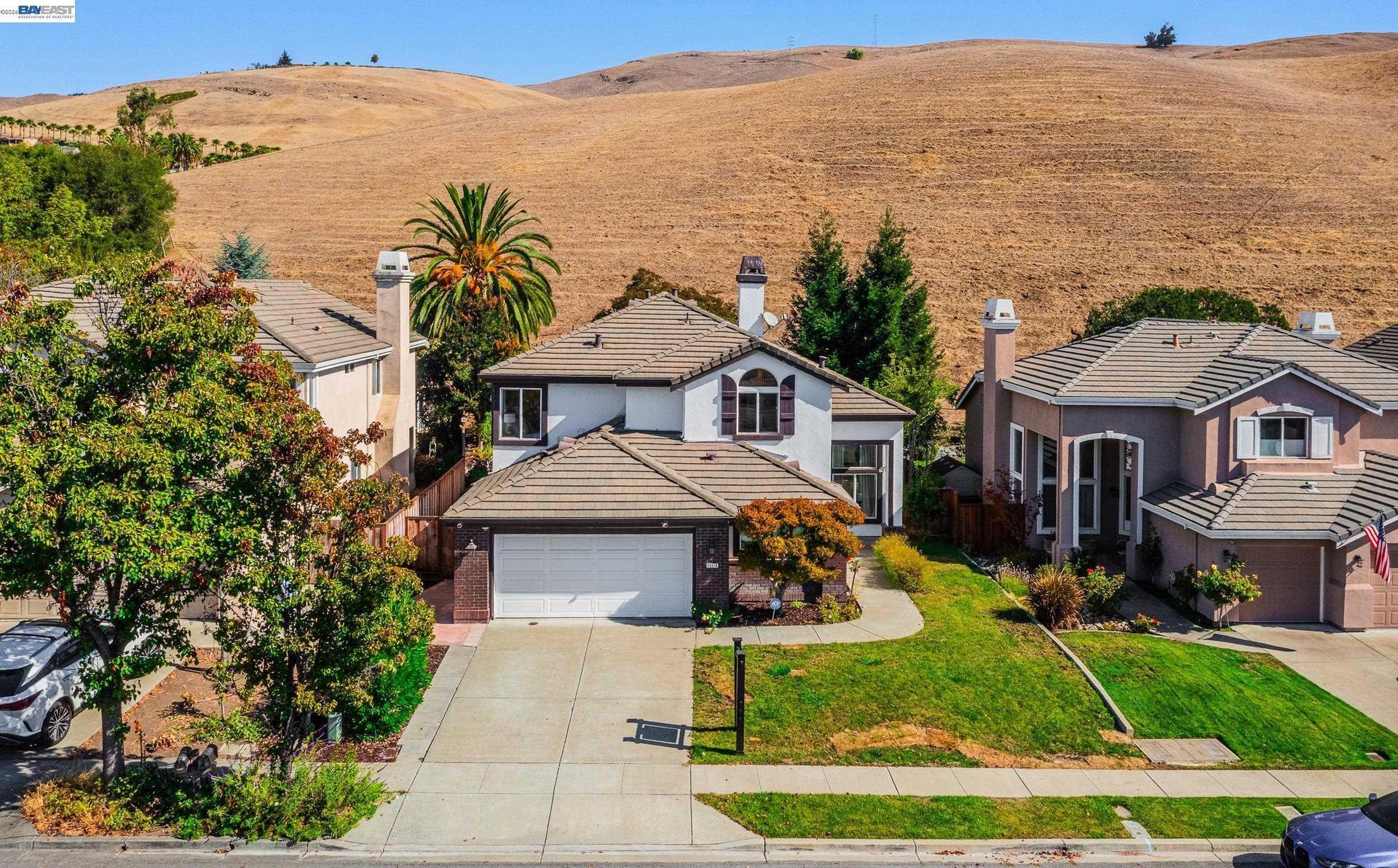

Saratoga: Silicon Serenity
Updated October 21, 2026

Saratoga: Silicon Serenity
Saratoga is a primarily residential Santa Clara County city at the western edge of Silicon Valley, with a historic Village, foothill properties, established residential areas, parks, cultural destinations, and commercial corridors serving local needs. Housing ranges from detached homes on different lot sizes to townhomes, condominiums, apartments, and properties influenced by hillside terrain.
📝 Introduction
Saratoga developed through several distinct periods, beginning with early industry and mineral springs before orchards and vineyards became major parts of the local landscape. During the twentieth century, much of the agricultural land transitioned to residential development while portions of the city retained reminders of that history. Today, differences in terrain, lot configuration, development period, and proximity to the Village or foothills provide important context when researching Saratoga real estate.
📍 What Defines Saratoga
- Historic Saratoga Village runs along Big Basin Way and contains restaurants, shops, galleries, professional offices, historic buildings, parks, and local services.
- The Santa Cruz Mountain foothills shape the western and southwestern portions of Saratoga, where properties can have different elevations, slopes, road access, and lot configurations.
- Saratoga’s agricultural history remains visible through the Heritage Orchard, surviving vineyard areas, and historic sites connected with the city’s former fruit-growing industry.
- Hakone Estate and Gardens is a City park and one of the oldest Japanese estate gardens in the Western Hemisphere.
- Montalvo Arts Center occupies the historic Villa Montalvo property and includes arts programming, historic buildings, gardens, park grounds, and trails.
- Saratoga is primarily residential, with commercial activity concentrated in several smaller districts rather than a large central employment or industrial area.
🎉 Fun Fact
Saratoga received its current name after a mineral spring was discovered in the area during the 1860s. The water was considered similar to the springs at Saratoga Springs, New York, and the California settlement was officially named Saratoga in 1865.
The city later became known for orchards and vineyards producing crops such as cherries, apricots, and prunes before much of the agricultural land transitioned to residential development.
🏡 Residential Setting and Housing
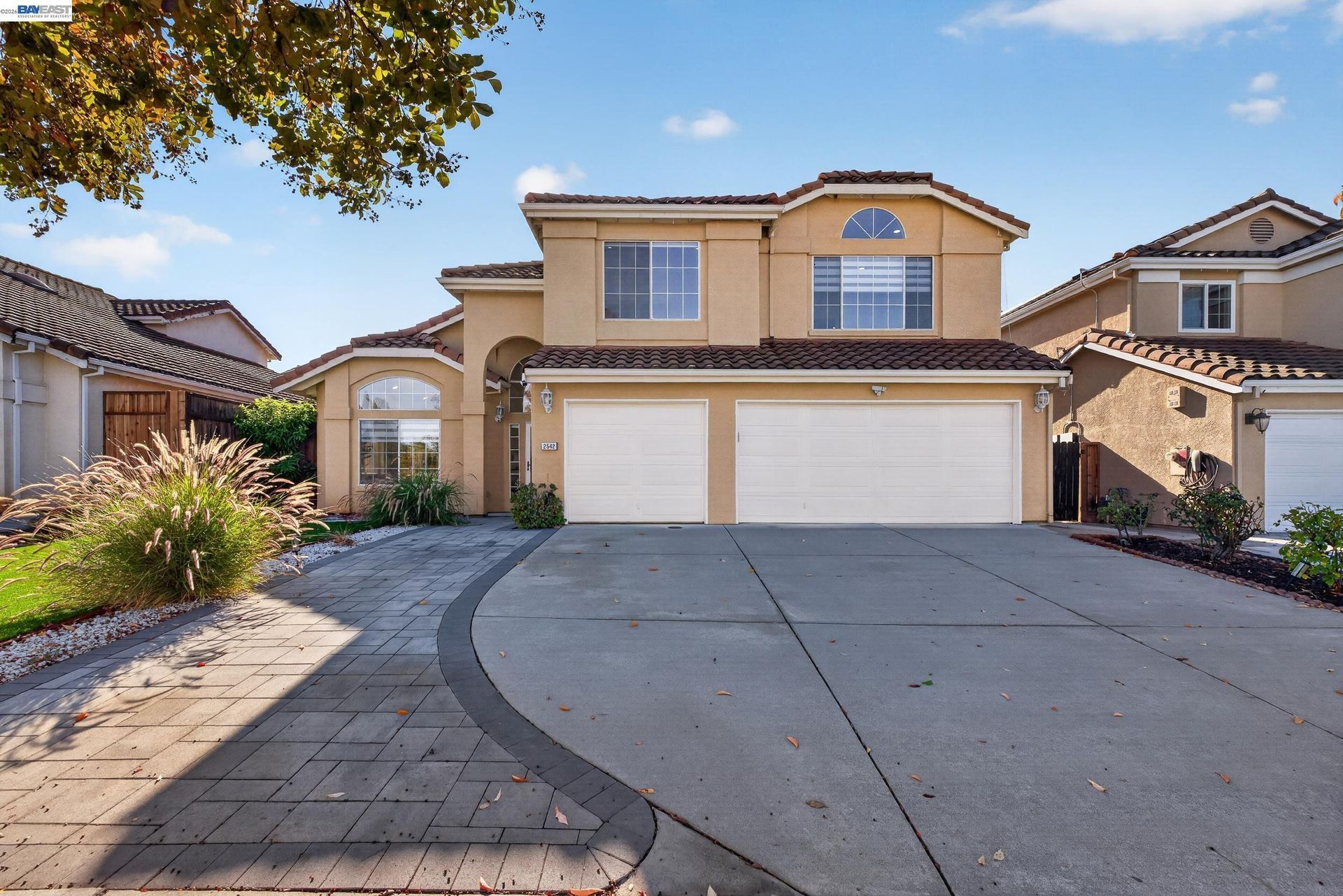
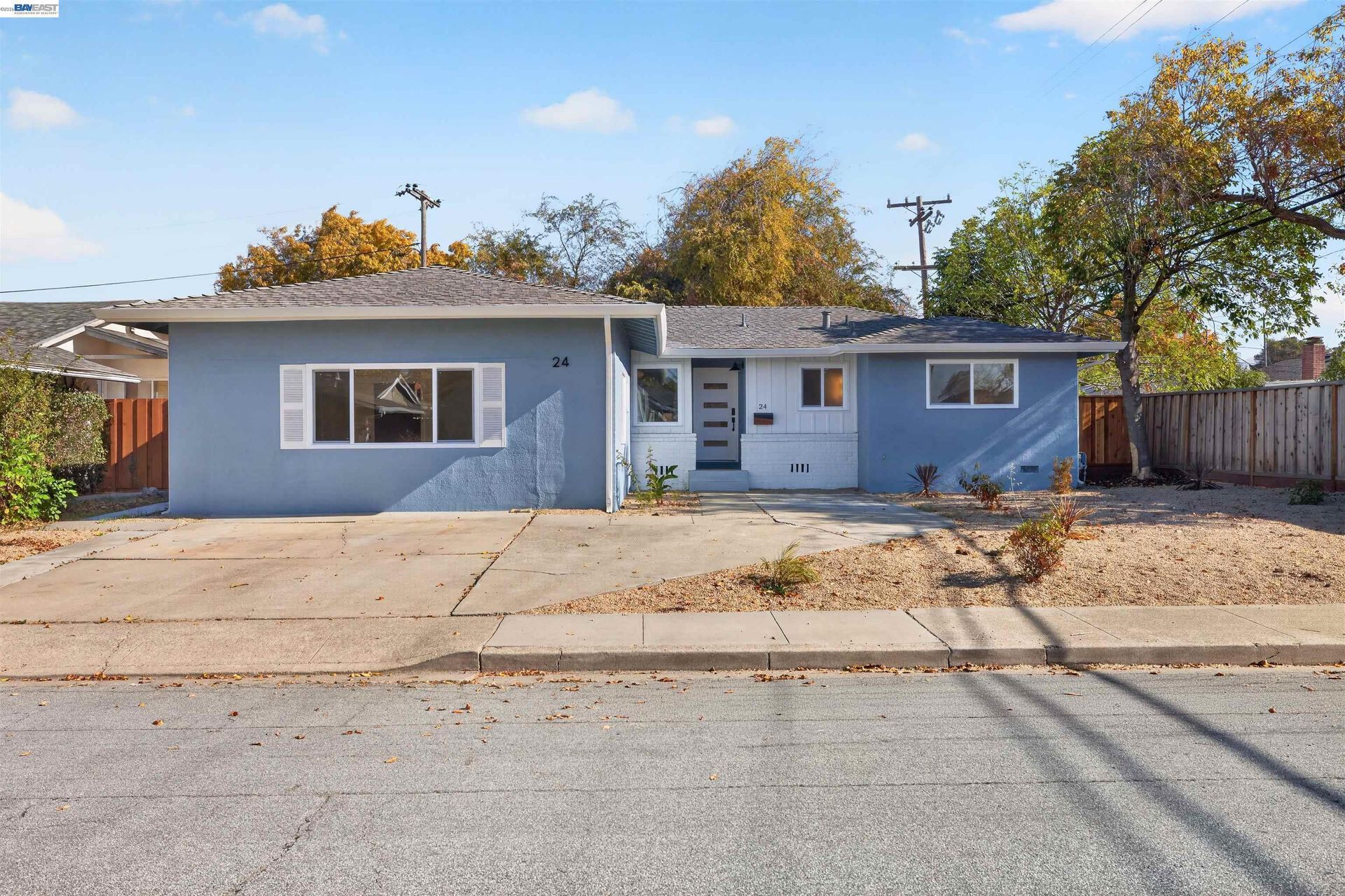
- Single Family Homes: Detached homes make up much of Saratoga’s residential inventory and range from mid-century subdivisions to remodeled properties and newer construction.
- Larger Lot Properties: Some portions of Saratoga contain properties on larger parcels, where lot configuration, landscaping, accessory structures, and development standards can become important considerations.
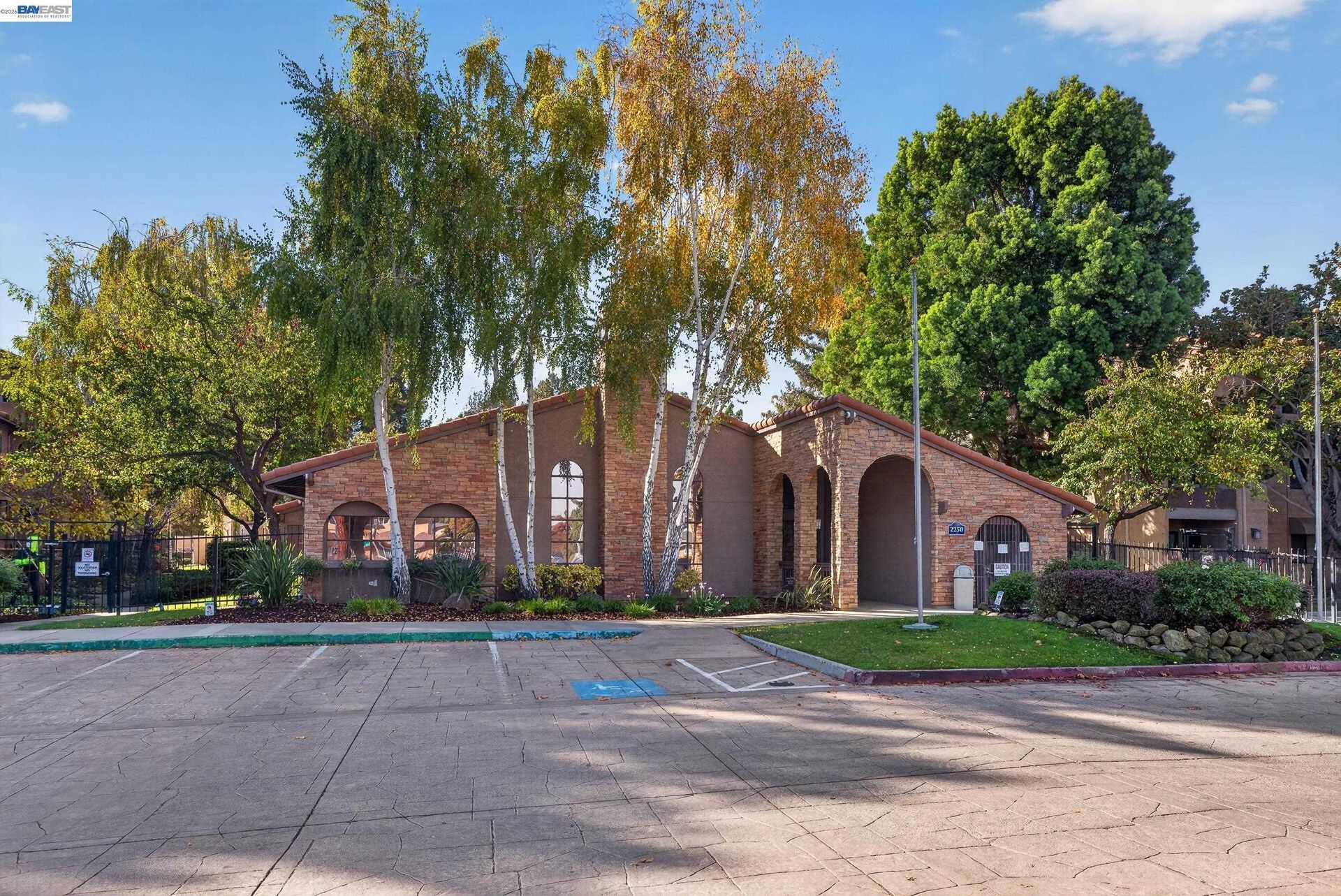
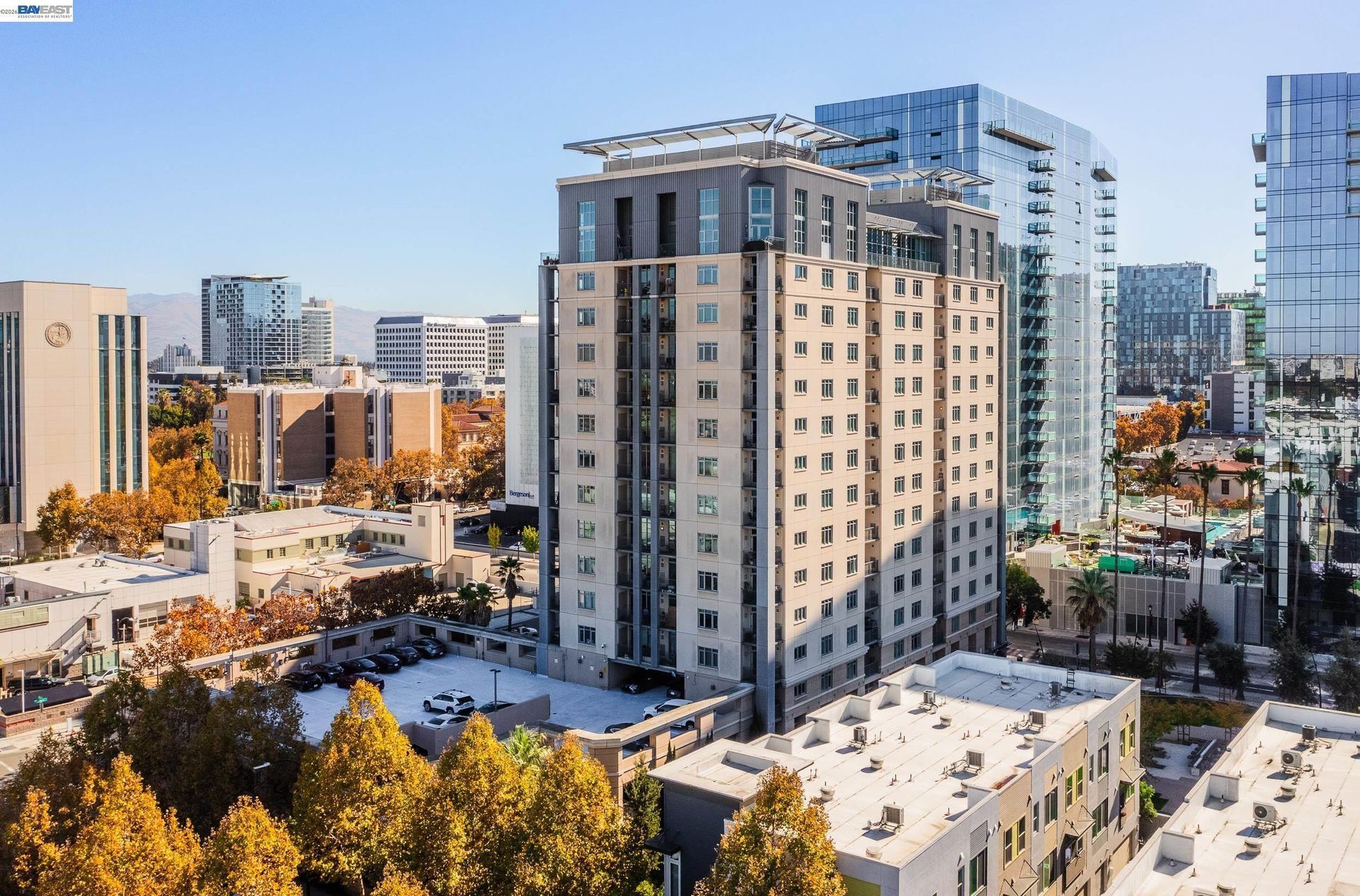
- Condos and Townhomes: Attached housing is found in selected locations, particularly near major roads, shopping areas, and designated higher-density sites.
- Multifamily Housing: Apartments and other multifamily properties are located primarily within specific residential and commercial planning areas.
- Foothill and Hillside Homes: Properties closer to the Santa Cruz Mountains can involve slopes, longer driveways, retaining structures, vegetation, drainage, private roads, and other site-specific conditions.
💼 Commercial and Institutional Areas
- Historic Saratoga Village: Big Basin Way supports Saratoga’s most recognizable commercial district, with smaller storefronts, restaurants, galleries, professional offices, services, and historic buildings within a pedestrian-oriented setting.
- Saratoga-Sunnyvale Road: Commercial areas along portions of this corridor provide shopping, restaurants, offices, and local services outside the Village, including locations near Prospect Road and Cox Avenue.
- Cox Avenue and Saratoga Avenue: This area includes smaller office complexes, medical and dental uses, neighborhood-serving businesses, and residential properties near major local roads.
- Prospect Road Area: Commercial properties west of Saratoga Avenue serve the northern portion of the city and differ in scale and layout from the smaller buildings found in the Village.
- West Valley College and Civic Uses: West Valley College, City facilities, the Saratoga Library, and nearby public spaces form an institutional area that contributes educational, civic, cultural, and transportation activity without functioning as a traditional commercial district.
📊 Real Estate Overview
Saratoga real estate varies considerably between central residential areas, established subdivisions, the Village surroundings, larger-lot properties, and foothill locations. Comparable sales should reflect the immediate property setting because terrain, lot size, road configuration, building age, additions, and surrounding land uses can differ substantially across the city.
Lot and Site Characteristics
- Properties on relatively level residential streets may have different development patterns from homes closer to the foothills, where slope, driveway access, retaining structures, vegetation, drainage, and usable lot area can become more significant.
- Lot dimensions and development standards are also important when evaluating additions, replacement homes, accessory dwelling units, or other property improvements.
Housing and Mixed Use Planning
- Saratoga’s current Housing Element identifies opportunities for additional housing in designated residential and commercial areas, including mixed use development where zoning permits residential and commercial uses together.
- For properties near redevelopment sites or commercial corridors, buyers and sellers should review current zoning, approved projects, access, parking, and surrounding land uses at the individual-property level.
🌳 Parks, Open Space and Local Attractions
- Hakone Estate and Gardens: A City-owned historic Japanese garden with landscaped grounds, traditional structures, ponds, cultural programs, and walking areas.
- Montalvo Arts Center: Located at Villa Montalvo, the property includes arts programming, historic architecture, gardens, open space, and hiking trails.
- Heritage Orchard: Preserves part of Saratoga’s agricultural history on land once associated with the valley’s extensive fruit-growing industry.
- Quarry Park: A 64-acre property near the foothills with trails and natural open space.
- Wildwood Park: A wooded park near the Village with a creek, picnic facilities, and open areas.
- The Mountain Winery: A historic winery and concert venue closely associated with Saratoga. The property is in the Saratoga foothills outside the city limits in unincorporated Santa Clara County.
🏘️ Residential Areas Across Saratoga
- Golden Triangle: A central residential area generally associated with streets between Saratoga Avenue, Cox Avenue, and Saratoga-Sunnyvale Road. Properties include homes from several development periods on relatively level streets and varied lot sizes.
- Saratoga Woods: Located in the northern portion of the city near Prospect Road, this area contains primarily detached homes developed largely during the mid-twentieth century.
- Quito Area: Residential streets near Quito Road and Cox Avenue include detached housing together with nearby commercial properties and redevelopment sites.
- Village and Central Saratoga: Homes near Big Basin Way, Saratoga Avenue, and surrounding central streets include different development periods, lot configurations, and proximity to the historic commercial district.
- Foothill Areas: Western portions of Saratoga contain hillside and larger-lot properties where elevation, road access, vegetation, drainage, and site configuration may differ substantially from flatter areas of the city.
🚆 Transportation and Regional Access
- State Route 85 provides regional access along the northern and eastern portions of Saratoga.
- State Route 9, which becomes Big Basin Way through the Village, connects Saratoga with Los Gatos and routes toward the Santa Cruz Mountains.
- Saratoga-Sunnyvale Road, Saratoga Avenue, Cox Avenue, Prospect Road, Quito Road, and Fruitvale Avenue are among the city’s principal local corridors.
- West Valley College functions as an important VTA transit point, with bus routes providing connections toward other parts of Santa Clara County.
- Saratoga does not have a Caltrain or BART station within the city, so regional rail trips generally require connections in neighboring communities.
📚 Schools and Education
- Saratoga High School: Provides comprehensive secondary education and is home to robotics programs that earned national titles and World Championship recognition in 2026.
- Prospect High School: Serves portions of Saratoga through Campbell Union High School District and offers Advanced Placement, Career Technical Education, dual enrollment, arts, and other academic pathways.
- Redwood Middle School: Saratoga Union School District’s grade 6–8 campus was recognized as a 2026 California Distinguished School.
- Saratoga Elementary School: Has served the Saratoga community for more than 150 years and includes a makerspace along with the district’s elementary academic and enrichment programs.
- Argonaut Elementary School: Has served Saratoga for more than four decades with a TK–5 program emphasizing critical thinking, cooperation, and student participation in learning.
✅ What Can You Do?
For Buyers
- Compare properties by lot size, terrain, development period, and immediate location rather than treating Saratoga as a single uniform housing market.
- For foothill properties, review slope, access, drainage, retaining structures, vegetation, private-road conditions, and available site documentation where applicable.
- When considering larger parcels, check zoning, setbacks, easements, accessory structures, and development standards related to future property plans.
- For homes near the Village or commercial corridors, examine parking, nearby uses, traffic access, and current planning activity around the specific property.
- Check the exact address for school district boundaries because different portions of Saratoga are served by different elementary and high school districts.
For Sellers
- Use comparable sales that reflect similar lot size, terrain, development period, and property setting within Saratoga.
- For properties with additions, replacement construction, accessory dwelling units, or extensive site work, organize available permits, plans, and supporting records.
- Document features that can vary considerably in foothill locations, including access, parking, drainage systems, retaining improvements, and usable outdoor areas.
- When describing proximity to the Village, Hakone Gardens, parks, trails, or other destinations, use factual location information rather than subjective lifestyle claims.
- If nearby development is planned or under construction, reference current City documents when discussing the project rather than assuming its future impact.
❓ FAQ
Q: How did Saratoga get its name?
A: The community was named Saratoga in 1865 after a local mineral spring was found to have similarities to the springs at Saratoga Springs, New York.
Q: What is Saratoga Village?
A: The Village is Saratoga’s historic downtown district along Big Basin Way. It contains restaurants, shops, galleries, professional offices, historic buildings, parks, and local services.
Q: Are all Saratoga properties served by the same school districts?
A: No. School district boundaries vary across Saratoga. Depending on the property address, public school service may involve Saratoga Union School District, Los Gatos-Saratoga Union High School District, Campbell Union High School District, Moreland School District, or other applicable districts. Address-specific enrollment information should be confirmed directly with the appropriate district.
🔚 Conclusion
Saratoga combines a historic Village, agricultural landmarks, established residential areas, foothill properties, parks, cultural sites, and smaller commercial districts within the western portion of Silicon Valley. Real estate characteristics vary based on terrain, lot size, development period, road access, zoning, and nearby land uses. Reviewing those property-specific differences provides useful context when evaluating Saratoga real estate.
This blog is for general informational purposes only and does not constitute legal, tax, accounting, investment, or professional advice. Always consult with qualified professionals before making any decisions based on this content. School information including addresses, phone numbers, and emails was accurate as of the blog’s published date but may change without notice. Please verify directly with the school or institution. This content is provided “as is,” without warranties of any kind. If you are currently under an exclusive agreement with another real estate broker, this blog is not intended as a solicitation.
Contact Us