
Need More Time to Move After Selling Your Home?
November 26, 2026
Need More Time to Move After Selling Your Home?
Selling your home does not always mean your moving schedule will align with the closing date. When additional time is needed, a negotiated seller possession agreement may provide flexibility, but the terms and responsibilities deserve careful review.
📝 Introduction
Coordinating a home sale with moving arrangements, another property purchase, or relocation plans can present scheduling challenges. Some sellers may need additional time in their homes after escrow closes to complete their move. A seller possession agreement can allow this arrangement when the buyer agrees, but it may involve occupancy fees, insurance considerations, and specific move out requirements. Understanding these terms before accepting an offer can help homeowners evaluate whether remaining in the property after closing supports their selling plans.
🔑 5 Pro Moves Every Home Seller Should Consider Before Closing
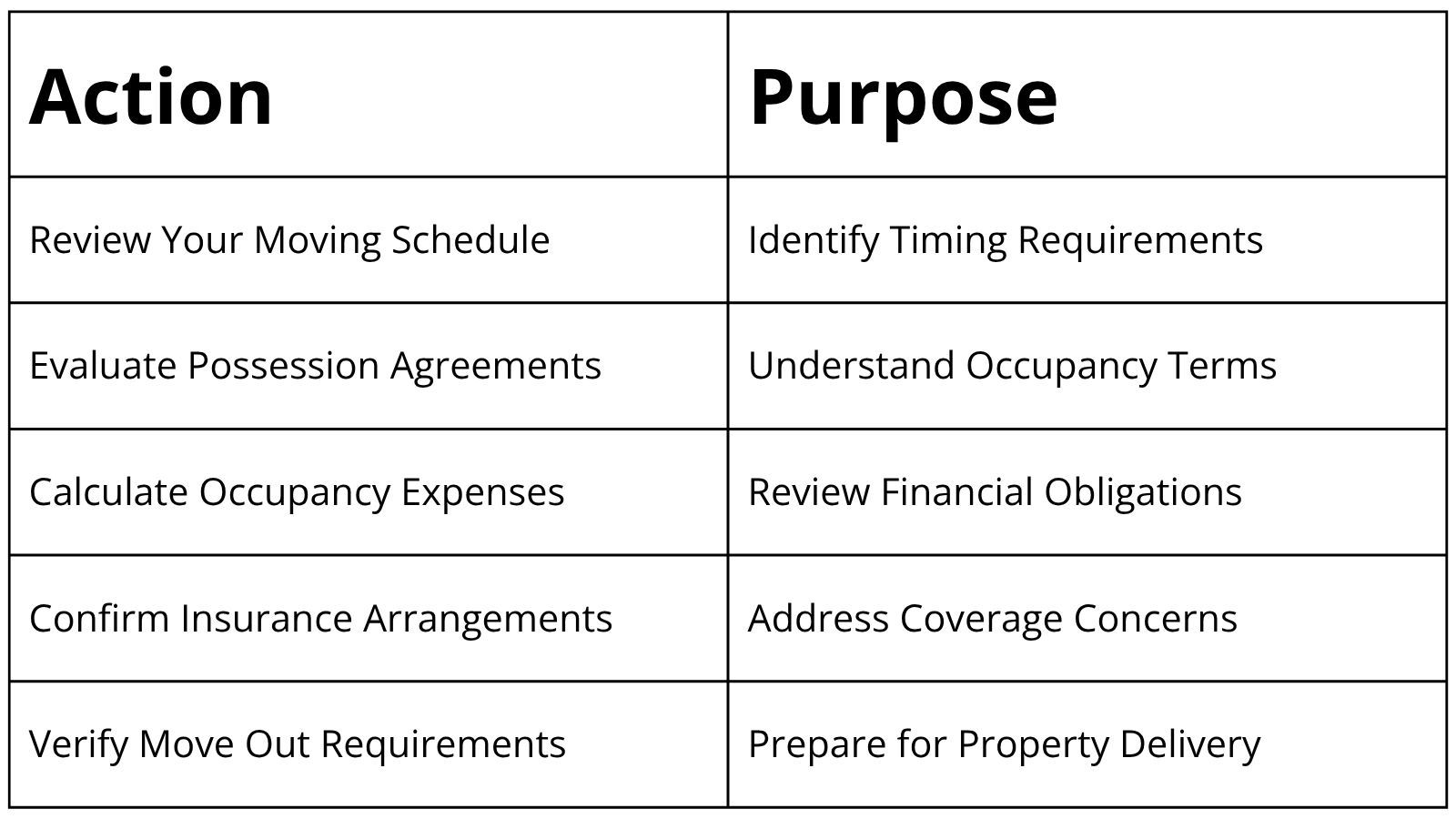
1. Review Your Moving Timeline
Your preferred closing date may not align with when your next residence becomes available. Identifying potential scheduling conflicts early can help determine whether additional possession time is necessary.
Now: Review your moving plans and discuss your preferred possession date with your listing agent before accepting an offer.
2. Understand Seller Possession Agreements
A seller may negotiate permission to remain in the property after ownership transfers to the buyer. The appropriate written agreement depends on the occupancy period and applicable requirements.
Now: Ask your listing agent to review the appropriate possession agreement and explain the proposed terms.
3. Evaluate Occupancy Costs
Remaining in the property after closing may involve agreed occupancy fees, deposits, utilities, or other expenses. These obligations can affect the financial outcome of the transaction.
Now: Review all proposed occupancy expenses and include them in your estimated selling costs.
4. Review Insurance and Liability Considerations
Insurance coverage and responsibility for property damage can change when ownership transfers. Sellers should not assume their existing homeowners policy provides the same protections after closing.
Now: Consult your insurance provider and review the agreement's property maintenance and liability provisions.
5. Confirm the Move Out Requirements
A possession agreement should identify when the seller must vacate and the consequences of remaining beyond that date. Unclear terms can create disagreements after the property changes ownership.
Now: Confirm the agreed move out date, property condition requirements, and possession delivery procedures before signing.
✅ What Can You Do?
❓ FAQ
Q: Can I remain in my home after escrow closes?
A: Yes, if the buyer agrees to an appropriate written possession arrangement. The terms should address the occupancy period, financial obligations, insurance considerations, and the date the property must be vacated.
Q: Do sellers have to pay to remain in the property after closing?
A: Not necessarily. Occupancy fees and other financial terms are negotiable, although a buyer may request payment, a deposit, or other conditions. The seller should evaluate the complete agreement before accepting these obligations.
Q: What happens if a seller cannot move out by the agreed date?
A: Remaining beyond the agreed possession period may create additional contractual obligations or legal concerns. The available remedies depend on the agreement and applicable law. Sellers should communicate potential delays promptly and seek legal guidance when necessary.
🔚 Conclusion
Moving arrangements can influence how sellers approach closing dates and possession agreements. Although remaining in a property after closing may provide additional flexibility, the arrangement should be carefully evaluated before accepting an offer. Reviewing occupancy expenses, insurance considerations, contractual responsibilities, and moving deadlines can help homeowners prepare for a more organized transition. For sellers in Silicon Valley or the East Bay, discussing possession requirements early can support informed negotiations and clearer expectations throughout the transaction.
This blog is for general informational purposes only and does not constitute legal, tax, accounting, investment, or professional advice. Always consult with qualified professionals before making any decisions based on this content. School information including addresses, phone numbers, and emails was accurate as of the blog’s published date but may change without notice. Please verify directly with the school or institution. This content is provided “as is,” without warranties of any kind. If you are currently under an exclusive agreement with another real estate broker, this blog is not intended as a solicitation.
Contact Us