
Does Selling As Is Really Mean No Repairs?
Published November 26, 2026

Does Selling As Is Really Mean No Repairs?
Selling a home in its existing condition may reduce expectations for repairs, but it does not eliminate the seller's responsibilities. Understanding what selling as is means, what must still be disclosed, and how buyers can respond is important before accepting an offer.
📝 Introduction
Selling a property as is can be an option for homeowners who prefer not to complete additional repairs before closing. However, this approach does not automatically remove disclosure obligations, prevent buyer inspections, or eliminate negotiations concerning property conditions. Buyers may still investigate the home and request repairs or credits, depending on the purchase agreement. For sellers, understanding the distinction between accepting a property's existing condition and fulfilling contractual responsibilities can help establish clearer expectations and reduce potential disagreements during the transaction.
🔑5 Pro Moves Every Home Seller Should Consider Before Selling As Is
1. Understand What Selling As Is Means
Selling as is generally means offering a property in its existing condition without committing to additional repairs. However, sellers remain responsible for required disclosures and obligations established by the purchase agreement.
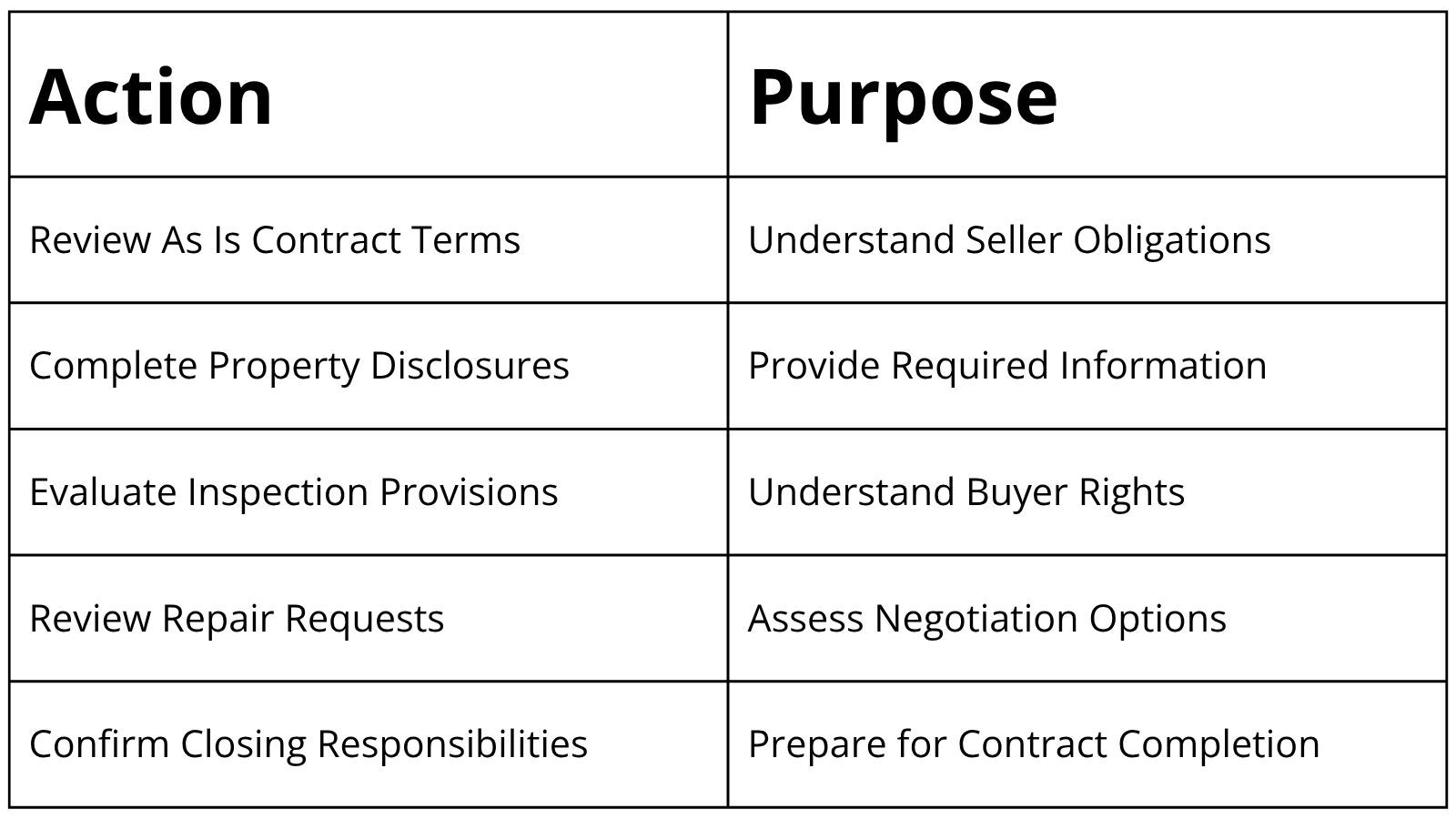
Now: Review the proposed contract terms with your listing agent before advertising the property as is.
2. Complete Required Property Disclosures
Selling a home in its current condition does not eliminate the seller's responsibility to disclose known material property issues. Required disclosure forms must still be completed accurately.
Now: Complete required disclosure forms accurately and provide available information about known property concerns.
3. Prepare for Buyer Inspections
Selling as is does not automatically remove the buyer's investigation contingency. Depending on the signed agreement, inspection findings may lead to repair requests, further negotiations, or cancellation under an applicable contractual right.
Now: Review inspection provisions and applicable contingencies before accepting an offer.
4. Evaluate Repair Requests Carefully
Selling as is does not necessarily prevent a buyer from requesting repairs or credits after an inspection. Whether the seller agrees to those requests remains subject to the contract and negotiations.
Now: Evaluate any proposed changes based on your financial objectives and the complete transaction terms.
5. Review Your Responsibilities Before Closing
Sellers may still have disclosure, access, documentation, and other contractual obligations regardless of the property's condition. Unresolved responsibilities can create complications before closing.
Now: Confirm outstanding requirements with your listing agent and complete agreed contractual responsibilities.
✅ What Can You Do?
❓ FAQ
Q: Can I sell my home as is without making repairs?
A: Generally, yes. A homeowner may offer a property in its existing condition without agreeing to additional repairs. However, applicable safety requirements, required disclosures, and contractual obligations may still need to be addressed before closing.
Q: Do I still have to disclose property problems when selling as is?
A: Yes, when applicable disclosure laws require it. In California, selling a covered residential property in its existing condition does not waive the required Transfer Disclosure Statement or the obligation to disclose known material facts.
Q: Can a buyer request repairs after agreeing to purchase a home as is?
A: Yes. Buyers may request repairs, credits, or other changes, but sellers are not automatically required to accept those requests. The buyer's ability to cancel or pursue other options depends on the signed agreement and applicable law.
🔚 Conclusion
Selling a home as is can provide an alternative for homeowners who prefer to market their property without completing additional improvements. However, the agreement does not eliminate disclosure requirements or automatically restrict buyer investigations and negotiations. Reviewing contractual responsibilities, providing accurate property information, and understanding inspection provisions can help sellers prepare for the transaction. For homeowners selling in Silicon Valley or the East Bay, clear communication and careful review of the purchase agreement can support informed decisions throughout the selling process.
This blog is for general informational purposes only and does not constitute legal, tax, accounting, investment, or professional advice. Always consult with qualified professionals before making any decisions based on this content. School information including addresses, phone numbers, and emails was accurate as of the blog’s published date but may change without notice. Please verify directly with the school or institution. This content is provided “as is,” without warranties of any kind. If you are currently under an exclusive agreement with another real estate broker, this blog is not intended as a solicitation.
Contact Us