
What Should Sellers Reconsider When Buyers Have More Choices?
Updated November 18, 2026

What Should Sellers Reconsider When Buyers Have More Choices?
When buyers have several properties to compare, asking price is only one part of their evaluation. Property condition, financing terms, presentation, and showing availability may also influence their decisions. Sellers who review these factors alongside local market activity can make informed choices about how to position their homes.
📝 Introduction
Real estate market conditions vary by location, property type, and price range. In areas where buyers have more homes to consider, competing listings can influence expectations about pricing, condition, and transaction terms. Some properties may attract consistent showing activity, while others receive fewer inquiries despite similar asking prices. For sellers, understanding what buyers are comparing can provide useful direction before making changes. Reviewing competing properties, financing considerations, presentation, and available transaction options can help establish a strategy based on the home's actual market position rather than broad assumptions.
🔑 5 Pro Moves When Buyers Have More Homes to Compare
1. Review the Homes Buyers Will Compare
Buyers may evaluate several properties in the same price range before deciding which homes to visit. Differences in condition, features, location, and asking price can influence that comparison.
Now: Review recent comparable sales and active competing listings with your Realtor. Consider how your property's condition, features, and asking price compare with available alternatives before deciding whether an adjustment is necessary.
2. Evaluate Financing Options Before Offering Credits
Monthly payment considerations can influence a buyer's purchasing decision. Seller-funded rate buydowns and closing cost credits may address certain financing concerns, but they also affect seller proceeds.
Now: Compare estimated seller costs for a mortgage rate buydown, closing cost credit, and potential price adjustment. Confirm financing restrictions with the appropriate lender before offering any incentive.
3. Present Property Features Accurately
Professional photographs, appropriate staging, and clear property descriptions help buyers evaluate a home's layout and condition. Presentation should communicate the property's actual features without creating misleading expectations.
Now: Review photographs, listing details, and staging before publication. Highlight documented improvements and use accurate images. Disclose digitally altered images that change the property's appearance and provide access to original images as required by applicable law.
4. Plan Your Listing Timeline Around Property Readiness
Listing preparation and showing availability can influence how buyers experience a property. However, launching on a particular weekday or during a specific season does not guarantee stronger activity.
Now: Coordinate the listing launch after photographs, property information, and marketing materials are ready. Establish showing arrangements that provide reasonable access while accommodating the property's circumstances.
5. Prepare to Negotiate Beyond Price
Buyers may ask questions about repairs, financing arrangements, contingencies, or closing costs. Understanding these matters before receiving an offer can help sellers evaluate proposals more effectively.
Now: Organize available inspection reports, maintenance records, and required disclosures. Review potential repair requests and concession scenarios with your Realtor, considering both the transaction terms and estimated net proceeds.
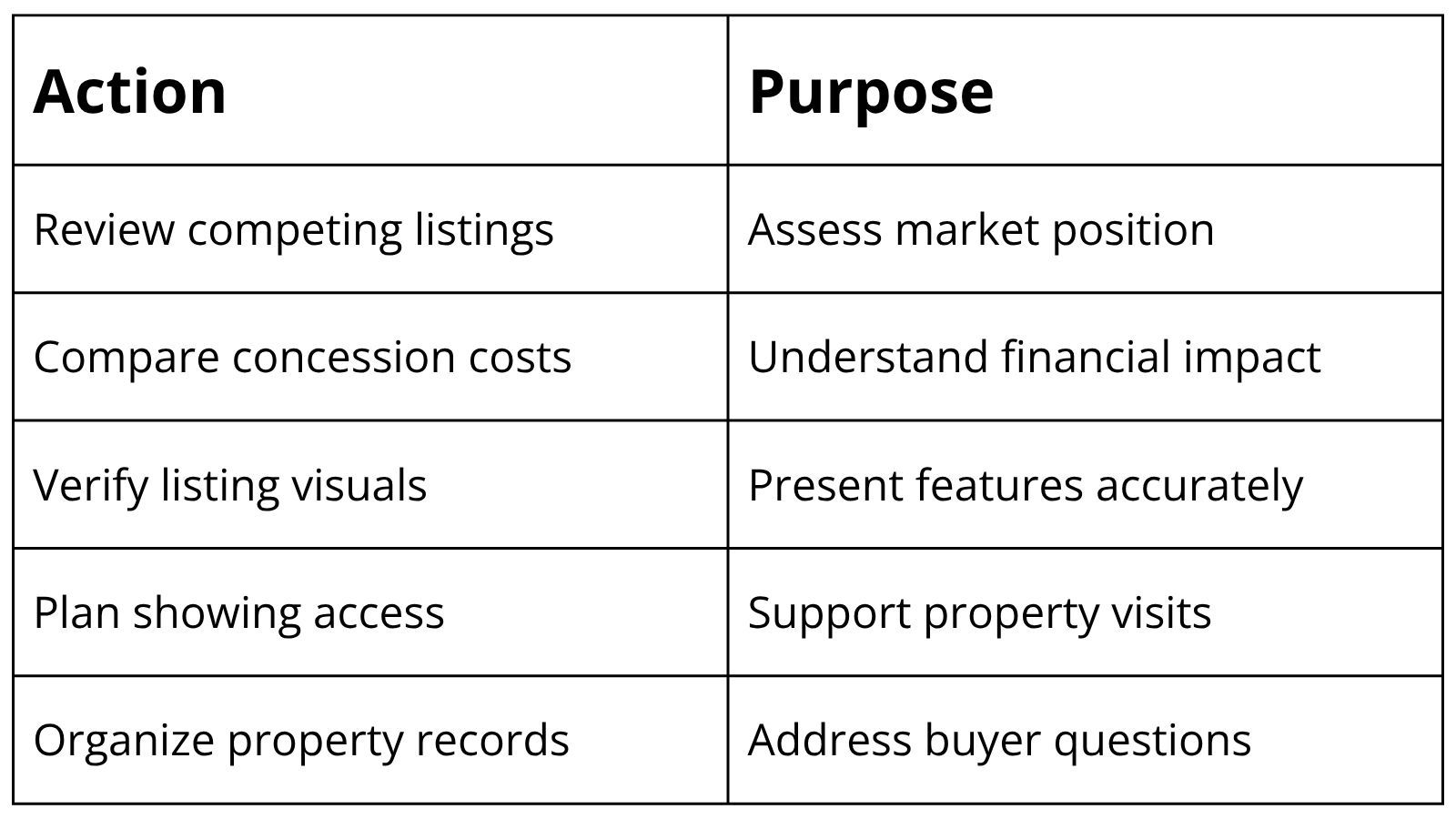
✅ What You Can Do Right Now
❓ FAQ
Q: Should I wait for the market to cool more before listing?
A: Not necessarily. The decision depends on your financial circumstances, property readiness, and local market conditions. Waiting may provide different opportunities, but it does not guarantee a better selling price or more favorable market conditions. Review recent sales and current competition before determining when to list.
Q: What's better: price reductions or seller credits?
A: Neither option is automatically better. Price adjustments can affect how a property compares with competing listings, while seller credits may address specific financing or closing cost concerns. Both can affect estimated net proceeds. Sellers should compare the financial impact of each option and review applicable lender restrictions before deciding.
Q: Should I obtain a property inspection before listing?
A: A pre-listing inspection may help identify property conditions and prepare for questions, but it is not required for every home sale. Sellers should consider the property's condition, available maintenance records, and professional recommendations. Inspection reports do not replace applicable seller disclosure requirements.
🔚 Conclusion
When buyers have more properties to consider, sellers can benefit from understanding how their homes compare with available alternatives. Pricing, financing terms, presentation, showing access, and property documentation all contribute to that evaluation. Rather than making changes based solely on national trends, sellers should review local market information and their individual circumstances. A well-informed strategy starts with understanding the property's competitive position and choosing adjustments that support the seller's objectives.
This blog is for general informational purposes only and does not constitute legal, tax, accounting, investment, or professional advice. Always consult with qualified professionals before making any decisions based on this content. School information including addresses, phone numbers, and emails was accurate as of the blog’s published date but may change without notice. Please verify directly with the school or institution. This content is provided “as is,” without warranties of any kind. If you are currently under an exclusive agreement with another real estate broker, this blog is not intended as a solicitation.
Contact Us