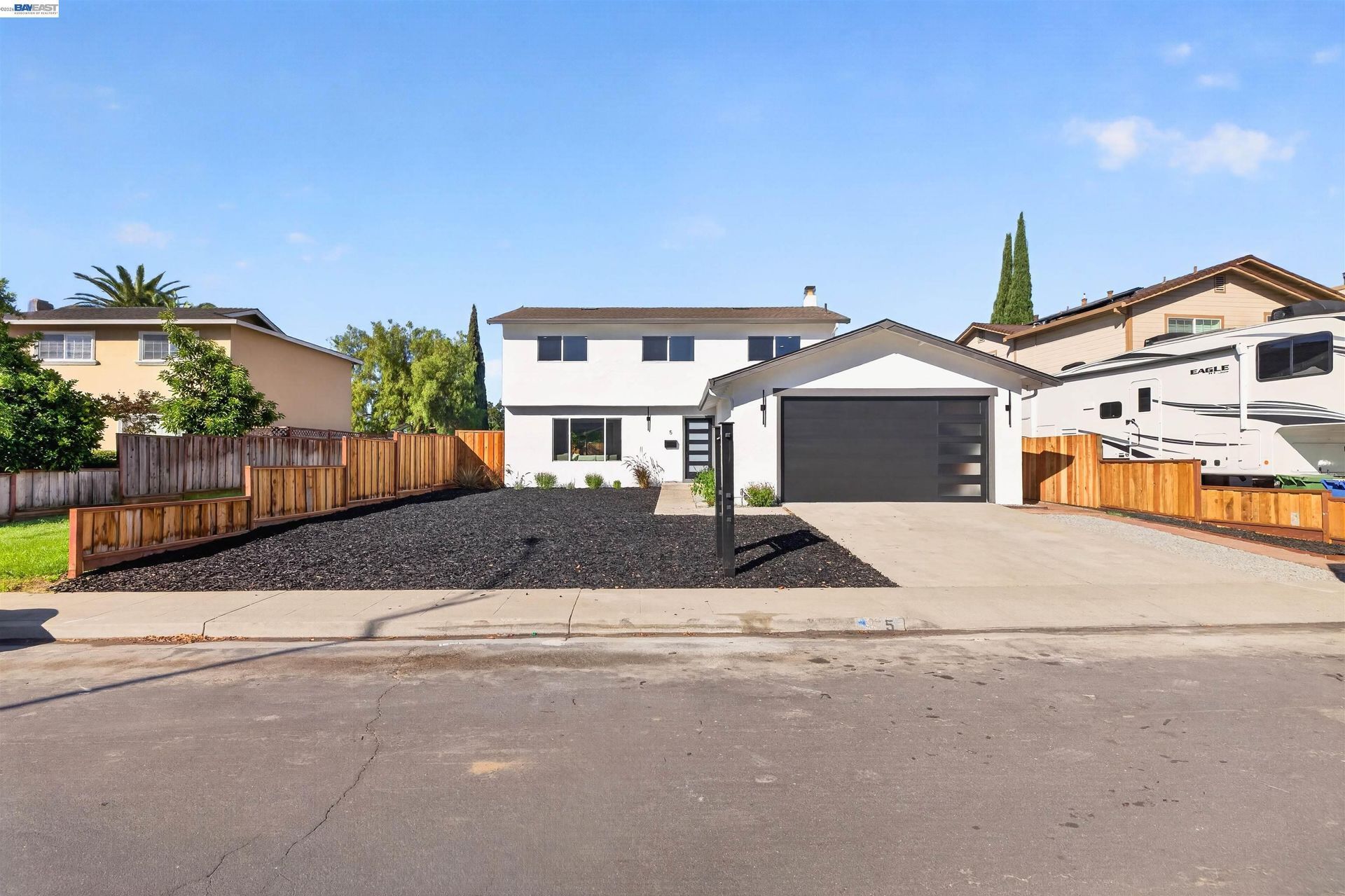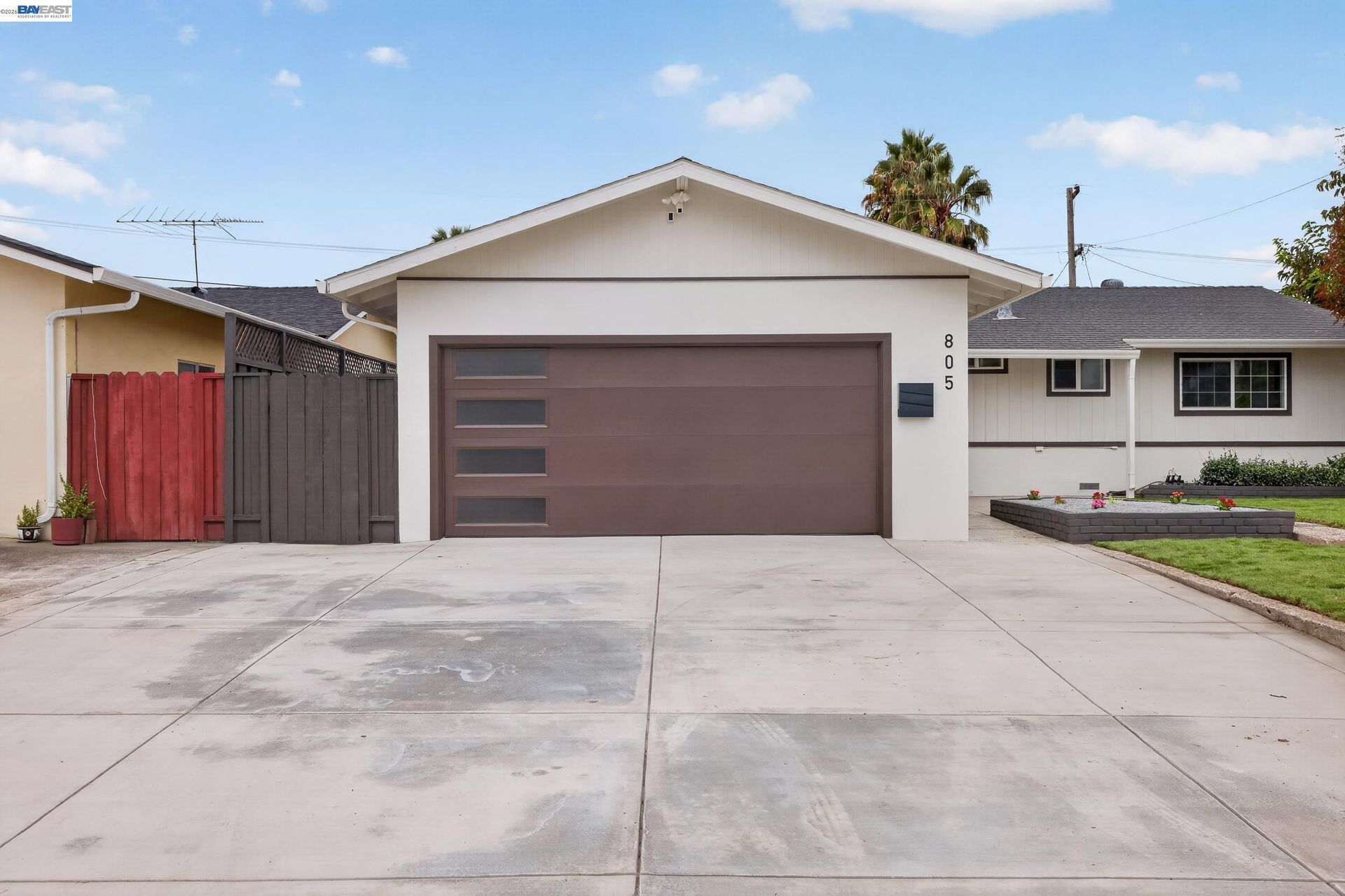

Some Upgrades Quietly Hurt the Sale
Updated November 10, 2026

Some Upgrades Quietly Hurt the Sale
Not every home upgrade increases appeal or value. Highly customized or costly improvements may not recover their full expense at resale, particularly when similar homes offer different features or finishes.
Improvement costs and potential resale impact deserve careful consideration.
📝 Introduction
Renovations can improve a home's function and appearance, but spending more does not necessarily result in an equal increase in resale value. The impact of an improvement depends on the property's existing condition, the type of work completed, local comparable sales, and project costs. Sellers preparing to list can review possible improvements with their real estate professional and qualified contractors before deciding which projects, if any, are appropriate.
🔑 5 Factors Sellers Should Consider Before Making Upgrades
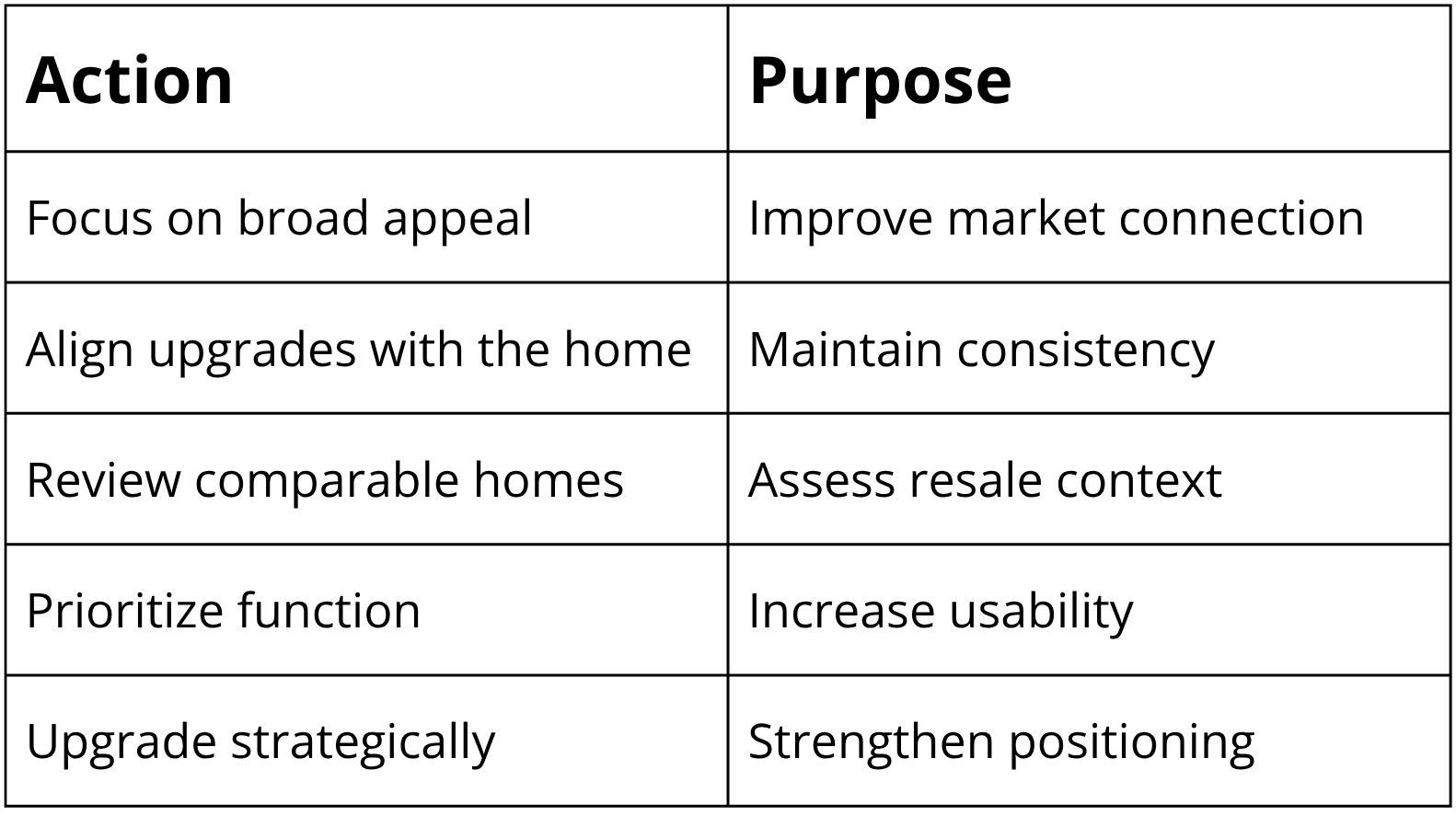
1. Prioritize Broad Appeal
Highly customized finishes may appeal to a smaller group of potential buyers.
Now: Consider neutral finishes, functional improvements, and updates that complement the home's existing characteristics.
2. Match Upgrades to the Home
Some improvements may not align with the home's architecture, existing materials, or overall design.
Now: Evaluate how planned renovations fit the property's style, layout, condition, and comparable homes in the local market.
3. Compare Improvement Costs With Local Resale Data
Excessive upgrades may not return full value.
Now: Review recent comparable sales and estimated renovation costs to assess whether the proposed improvements are appropriate for the property.
4. Focus on Function Before Luxury
Functional improvements can address practical property needs without requiring extensive renovations.
Now: Review lighting, storage, maintenance, and usable space before selecting costly finishes or major cosmetic upgrades.
5. Review Costs and Potential Resale Impact
The cost of an improvement does not automatically equal its contribution to resale value.
Now: Compare estimated project expenses, timelines, and potential resale benefits with available market information and professional estimates.
✅ What You Should Do Right Now
❓ FAQ
Q: Do expensive upgrades always increase value?
A: No. Some upgrades may not align with buyer expectations or market demand.
Q: Which improvements should sellers prioritize before listing?
A: The appropriate improvements depend on the property's condition, local comparable sales, available budget, and anticipated project costs. Addressing maintenance needs or completing smaller updates may be more appropriate than undertaking extensive renovations.
Q: Can a renovation cost more than it adds to resale value?
A: Yes. Some renovations may recover only part of their cost when the property is sold. The potential return depends on the project, property characteristics, local market conditions, and buyer demand.
🔚 Conclusion
Home improvements can change how a property functions and presents, but resale returns vary by project and market conditions. Before investing in renovations for a planned sale, sellers can compare estimated costs with recent local sales, the home's existing condition, and practical maintenance needs. Evaluating these factors can help sellers make informed decisions about which improvements are worth considering before listing.
This blog is for general informational purposes only and does not constitute legal, tax, accounting, investment, or professional advice. Always consult with qualified professionals before making any decisions based on this content. School information including addresses, phone numbers, and emails was accurate as of the blog’s published date but may change without notice. Please verify directly with the school or institution. This content is provided “as is,” without warranties of any kind. If you are currently under an exclusive agreement with another real estate broker, this blog is not intended as a solicitation.
Contact Us