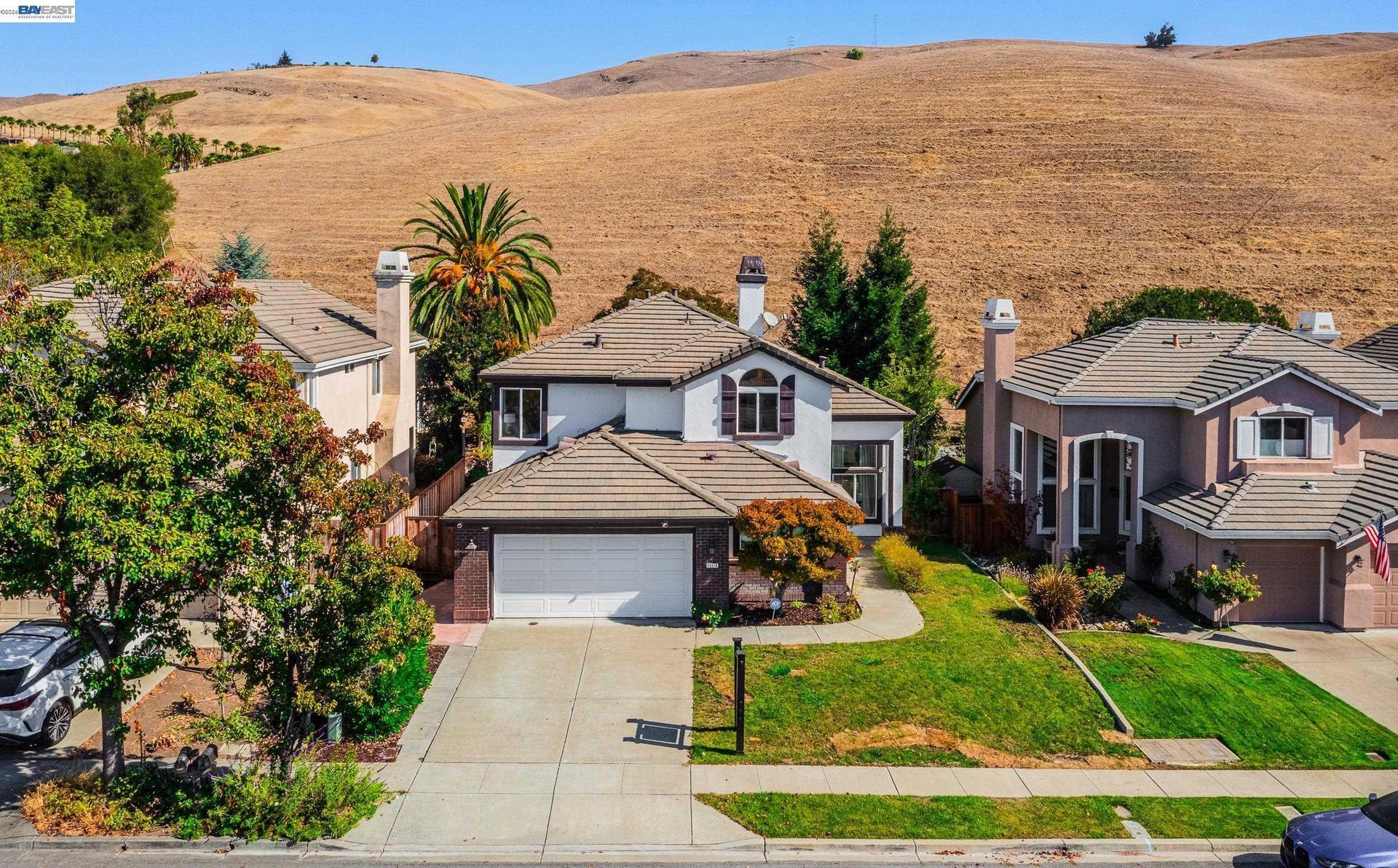

Orinda: Hillsides & Theatre District
Updated November 9, 2026

Orinda: Hillsides & Theatre District
Orinda is a primarily residential Contra Costa County city known for wooded roads, rolling topography, detached homes, Theatre Square, a compact commercial center, BART service, and nearby regional open space. Lot configuration, wildfire conditions, road access, drainage, and construction history can create meaningful differences between individual properties.
📝 Introduction
Orinda developed across valleys, ridgelines, and wooded residential areas rather than around a uniform street grid. Detached homes occupy parcels with varying elevations, shapes, vegetation, and access conditions, while commercial activity remains concentrated near the center of the city. These physical differences make the individual site an important part of evaluating Orinda real estate.
📍 What Defines Orinda
- Residential streets follow the natural contours of the land, producing winding roads, irregular parcels, elevated building sites, and varied lot conditions.
- The historic Orinda Theatre, Theatre Square, restaurants, shops, offices, and public spaces form one of the city's most recognizable central destinations.
- Businesses and civic facilities along Orinda Way create another part of downtown, with local services, community facilities, and professional offices.
- Highway 24 and the Orinda BART station provide regional transportation directly through central Orinda.
- Mature trees, creek corridors, vegetation, and open land contribute to property considerations involving drainage, vegetation management, and wildfire planning.
🎉 Fun Fact
Orinda's name can be traced to seventeenth century poet Katherine Philips, who was known as "The Matchless Orinda." In the 1870s, Alice Marsh Camron used the name Orinda Park for property owned by her family, and the area's eventual town name developed from it. Orinda officially incorporated as a city in 1985.
🏡 Residential Setting and Housing
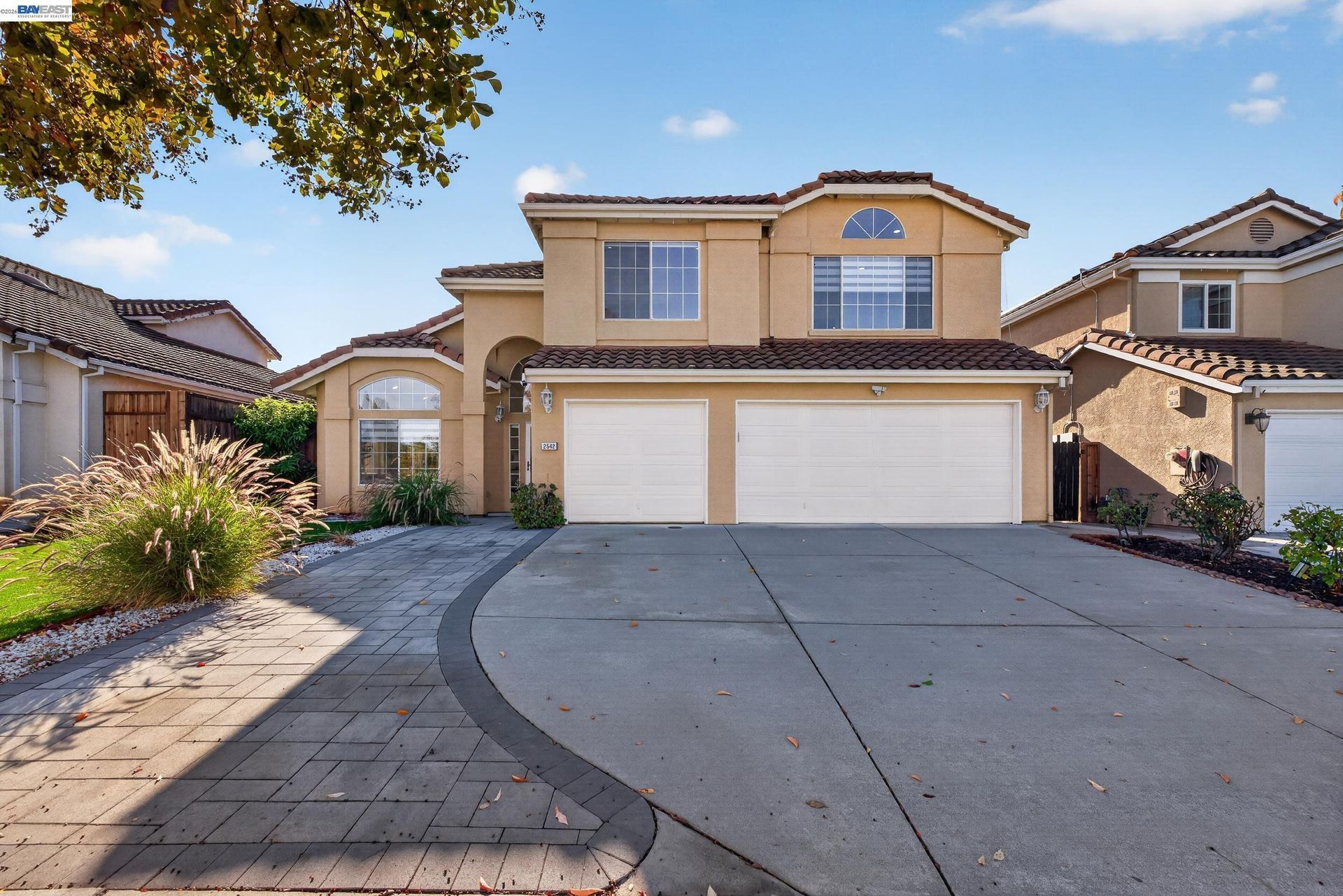
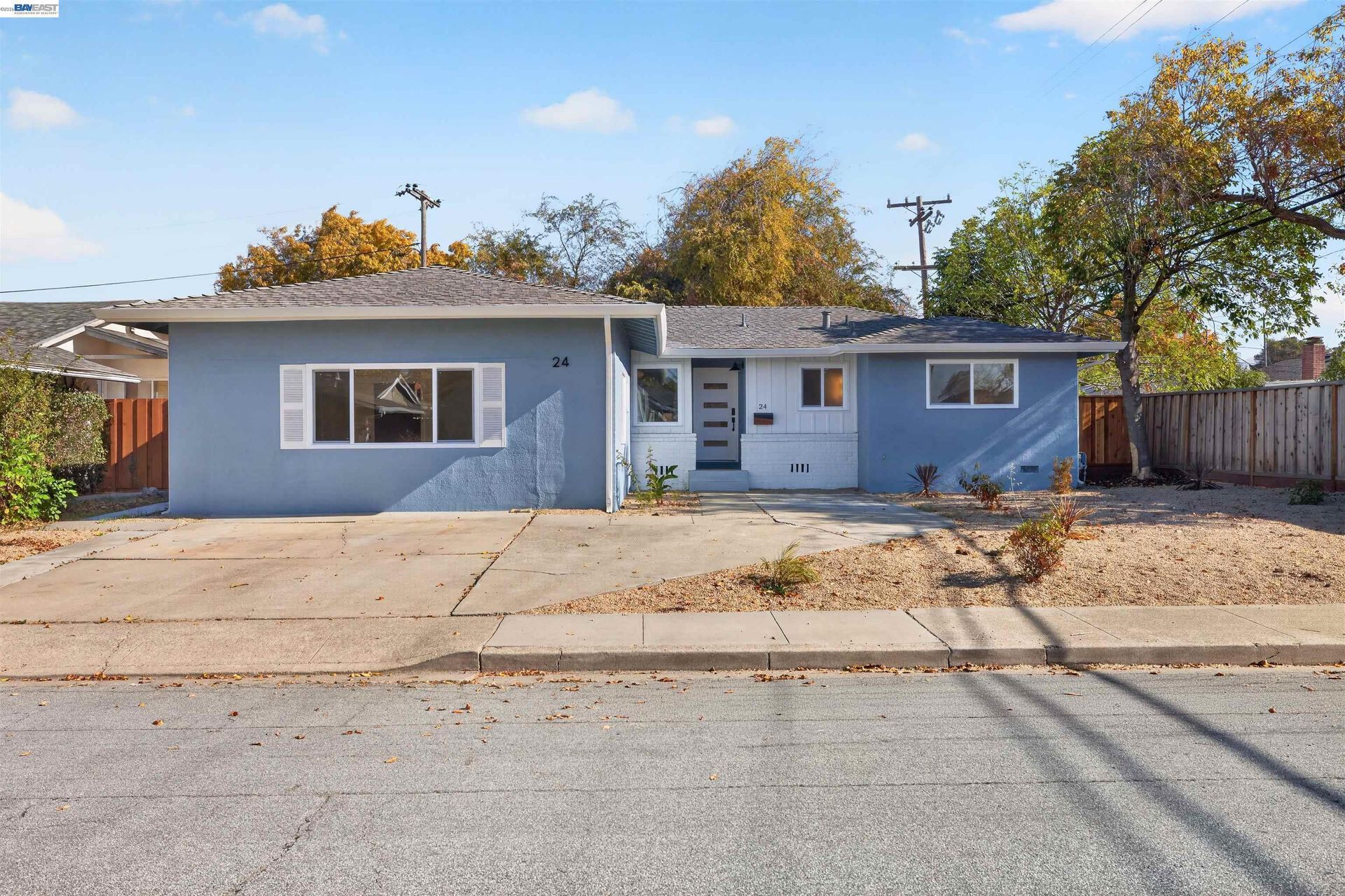
- Detached Homes: Detached residences make up much of Orinda's housing stock and were built during different periods of development. Construction age, architectural style, lot size, original floor plan, additions, landscaping, and renovation history can vary considerably.
- Older and Remodeled Homes: Many residences have undergone additions, interior reconfiguration, deck construction, foundation work, drainage improvements, accessory dwelling units, and other changes that can make permit and construction history important during property review.
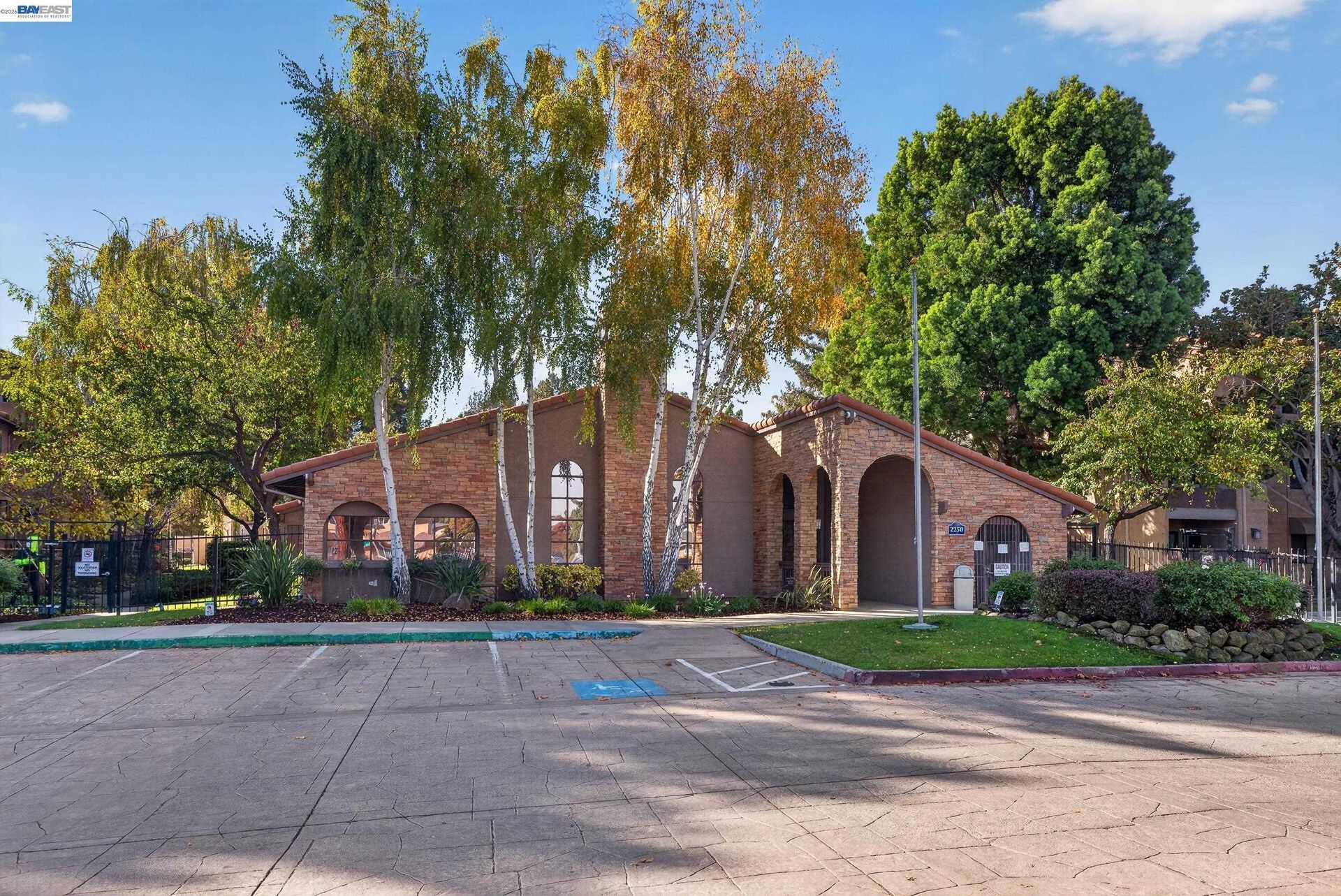
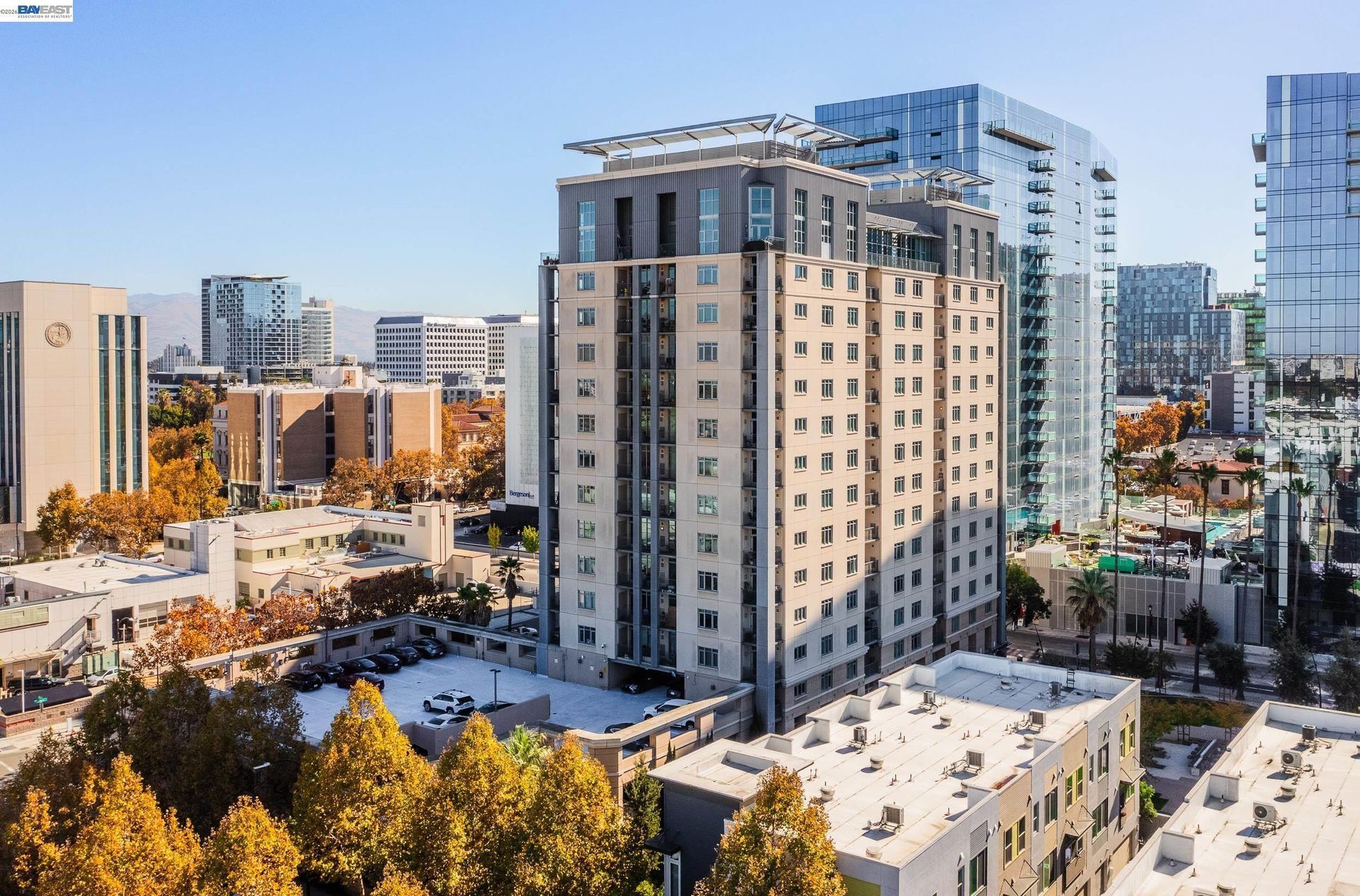
- Condominiums and Attached Housing: Attached housing is more concentrated near central portions of Orinda. These properties can involve homeowners association documents, insurance responsibilities, common areas, parking arrangements, reserves, and shared maintenance obligations.
- Newer Planned Homes: More recent development, including housing within Wilder, can differ from older Orinda properties in construction standards, street layout, infrastructure, lot configuration, association requirements, and nearby community facilities.
- Hillside and Elevated Properties: Homes on steeper or irregular parcels can involve grading, foundations, retaining structures, drainage systems, driveway design, vegetation management, road access, and wildfire considerations that differ from properties on relatively level sites.
💼 Business and Employment Areas
- Theatre Square: Restaurants, personal services, offices, and retail uses share a pedestrian oriented commercial setting centered around the historic Orinda Theatre.
- Orinda Village: Orinda Way supports neighborhood businesses alongside the library, community facilities, professional offices, and civic services.
- Camino Pablo Corridor: Office, service, institutional, and transportation related uses are positioned near the city's central freeway and rail connections.
- Moraga Way: Smaller commercial and professional businesses appear along this route between central Orinda and neighboring Moraga.
- Regional Employment Centers: Larger employment districts are located outside Orinda, with regional connections toward Oakland, Berkeley, Lafayette, and Walnut Creek.
📊 Real Estate Overview
Orinda's housing stock is dominated by detached houses built during different periods of twentieth century residential growth. Properties range from relatively level parcels to custom residences on more complicated sites, while condominium and multifamily housing is concentrated more heavily near central locations.
Property Differences by Setting
- Relatively level properties near central Orinda can differ from hillside and ridge locations in driveway grade, drainage, retaining structures, vegetation, usable outdoor area, and road access. Even nearby detached homes can have substantially different site conditions because residential streets follow the surrounding terrain.
- Wooded and sloped parcels may require closer review of foundations, grading history, drainage systems, retaining walls, mature vegetation, easements, driveway configuration, and emergency access. These physical conditions can affect how a property compares with homes on flatter sites.
- Older custom residences can also vary considerably in original construction, additions, remodeling history, building systems, accessory structures, and site improvements. Condominiums and other attached housing near central Orinda introduce different considerations involving shared property responsibilities and association documents.
Development and Land Use Context
- Planning, permit, and property records become particularly useful when an Orinda home has undergone additions, major remodeling, grading, retaining wall work, deck construction, drainage improvements, accessory structures, or other substantial changes. Reviewing the available records can help distinguish documented improvements from conditions that may require further investigation.
- Parcel configuration and terrain can also affect future property plans. Setbacks, easements, slope, drainage, vegetation, access, existing improvements, and current City requirements should be considered before assuming that an addition, accessory dwelling unit, landscape project, or other substantial change can be completed as proposed.
🌳 Parks, Trails and Local Attractions
- Orinda Community Park: Located near the library and Community Center, this developed recreation space includes courts, lawn areas, a playground, gazebo, and amphitheater.
- Orinda Oaks Park and Open Space: Natural vegetation and walking trails distinguish this property from Orinda's more developed recreation facilities.
- Wilder Park: Sports fields and recreation amenities give this park a different role within the newer Wilder development.
- Briones Regional Park: Thousands of acres of grassland and oak covered countryside support hiking, cycling, and equestrian routes north and east of Orinda.
- Tilden Regional Park: Lake Anza, the Regional Parks Botanic Garden, Inspiration Point, picnic areas, and an extensive trail system make this Berkeley Hills park a broader regional destination.
🏘️ Residential Settings Across Orinda
- Central Orinda: Housing closer to Theatre Square and Orinda Village has more direct access to Highway 24, BART, civic facilities, businesses, restaurants, and local services than properties farther into the surrounding hills.
- Sleepy Hollow: Winding residential roads extend north of central Orinda, where parcel size, elevation, vegetation, driveway access, and street conditions can vary noticeably between properties.
- Glorietta: Established residential streets extend from the Moraga Way corridor through areas with mature landscaping, creek influenced terrain, varied parcels, and different road configurations.
- Orinda Country Club Area: Older detached residences surround portions of the country club, with differences in architecture, lot configuration, renovation history, elevation, and relationship to nearby residential roads.
- Wilder and Elevated Ridge Areas: Wilder provides a newer planned residential setting with modern infrastructure and recreation facilities, while other elevated portions of Orinda can involve greater differences in slope, access, vegetation, drainage, and site configuration.
🚆 Transportation and Regional Access
- Highway 24 connects Orinda with Oakland and Berkeley through the Caldecott Tunnel and with Lafayette and Walnut Creek to the east.
- The Orinda BART Station on Camino Pablo provides regional rail service from central Orinda.
- Camino Pablo connects central Orinda with northern portions of the city and San Pablo Dam Road.
- Moraga Way provides the primary road connection between Orinda and Moraga.
- Many residential streets follow the natural landform, so road width, grade, turning space, driveway design, and emergency access can differ by address.
📚 Schools and Education
- Miramonte High School: The campus offers general academic coursework together with Advanced Placement classes, arts, athletics, and college and career resources.
- Orinda Intermediate School: This school serves the middle grade years, providing the academic transition between elementary education and high school.
- Del Rey Elementary School: Located along El Camino Moraga, Del Rey serves elementary grades within an established residential section of Orinda.
- Glorietta Elementary School: Core elementary subjects are supplemented by programs that include art, music, physical education, and STEAM related learning.
- Wagner Ranch Elementary School: Its location beside the Wagner Ranch Nature Area supports outdoor, garden, and environmental learning alongside regular elementary instruction.
✅ What Can You Do?
For Buyers
- Review drainage, retaining structures, foundation conditions, and grading records when the property's site is uneven or elevated.
- Check current wildfire designation, vegetation requirements, and available insurance options before completing the purchase.
- Confirm road ownership, shared maintenance obligations, access easements, and emergency access when smaller roads or shared drives are involved.
- Review permits for additions, decks, accessory dwelling units, retaining structures, and major site work.
- Compare homes with properties that have similar lot configuration, access, and site conditions rather than relying mainly on square footage.
For Sellers
- Gather permits and engineering records for additions, foundations, retaining structures, drainage improvements, and grading work.
- Organize documentation for vegetation management, roofing, home hardening, and other wildfire related improvements when applicable.
- Clarify easements, shared driveways, private road obligations, and access arrangements before marketing.
- Document improvements affecting usable outdoor space, drainage, decks, and other permanent site features.
- Use comparable sales with similar lot configuration, access, building type, and site conditions rather than relying primarily on a citywide average.
❓ FAQ
Q: Why can two similar Orinda homes have very different property conditions?
A: Differences in elevation, parcel shape, drainage, driveway access, vegetation, retaining structures, and usable outdoor space can make nearby properties function quite differently.
Q: What property records are especially useful when evaluating an Orinda home?
A: Buyers may want to review permits, grading records, drainage improvements, foundation work, retaining structures, easements, vegetation requirements, and available insurance information.
Q: How does central Orinda differ from surrounding residential areas?
A: Central Orinda contains Theatre Square, shops, civic facilities, services, and regional transportation, while most surrounding areas consist of detached housing along wooded residential roads.
🔚 Conclusion
Orinda combines a compact central district with residential areas shaped by wooded roads, varied elevations, irregular parcels, and open land. Theatre Square and Orinda Village concentrate much of the city's commercial activity, while property conditions change considerably across surrounding neighborhoods. Lot configuration, drainage, access, wildfire considerations, building records, and site improvements are important factors when evaluating Orinda real estate.
This blog is for general informational purposes only and does not constitute legal, tax, accounting, investment, or professional advice. Always consult with qualified professionals before making any decisions based on this content. School information including addresses, phone numbers, and emails was accurate as of the blog’s published date but may change without notice. Please verify directly with the school or institution. This content is provided “as is,” without warranties of any kind. If you are currently under an exclusive agreement with another real estate broker, this blog is not intended as a solicitation.
Contact Us