
Lafayette: Reservoir, Hills & Downtown
Updated November 06, 2026

Lafayette: Reservoir, Hills & Downtown
Mount Diablo Boulevard forms Lafayette's main commercial corridor, with Downtown, BART, and Highway 24 near the center of the city. Beyond this central area, residential roads extend into creek valleys, established subdivisions, and surrounding hills, while Lafayette Reservoir provides a separate recreation and watershed setting along the western side of the community.
📝 Introduction
Lafayette traces its modern development to a settlement established in 1848, followed by substantial residential growth during the twentieth century. Much of that expansion occurred during the 1960s, shortly before the city incorporated in 1968. Today, older road patterns, postwar subdivisions, hillside properties, Downtown development, creek corridors, and reservoir land all contribute to the city's physical layout.
📍 What Defines Lafayette
- Mount Diablo Boulevard forms Lafayette's principal commercial corridor through Downtown, connecting shops, restaurants, offices, civic uses, and surrounding residential streets.
- Lafayette Reservoir is managed by East Bay Municipal Utility District and provides trails, fishing, boating, picnic areas, and protected emergency water storage.
- Lafayette BART Station places regional rail service directly beside Downtown and Highway 24.
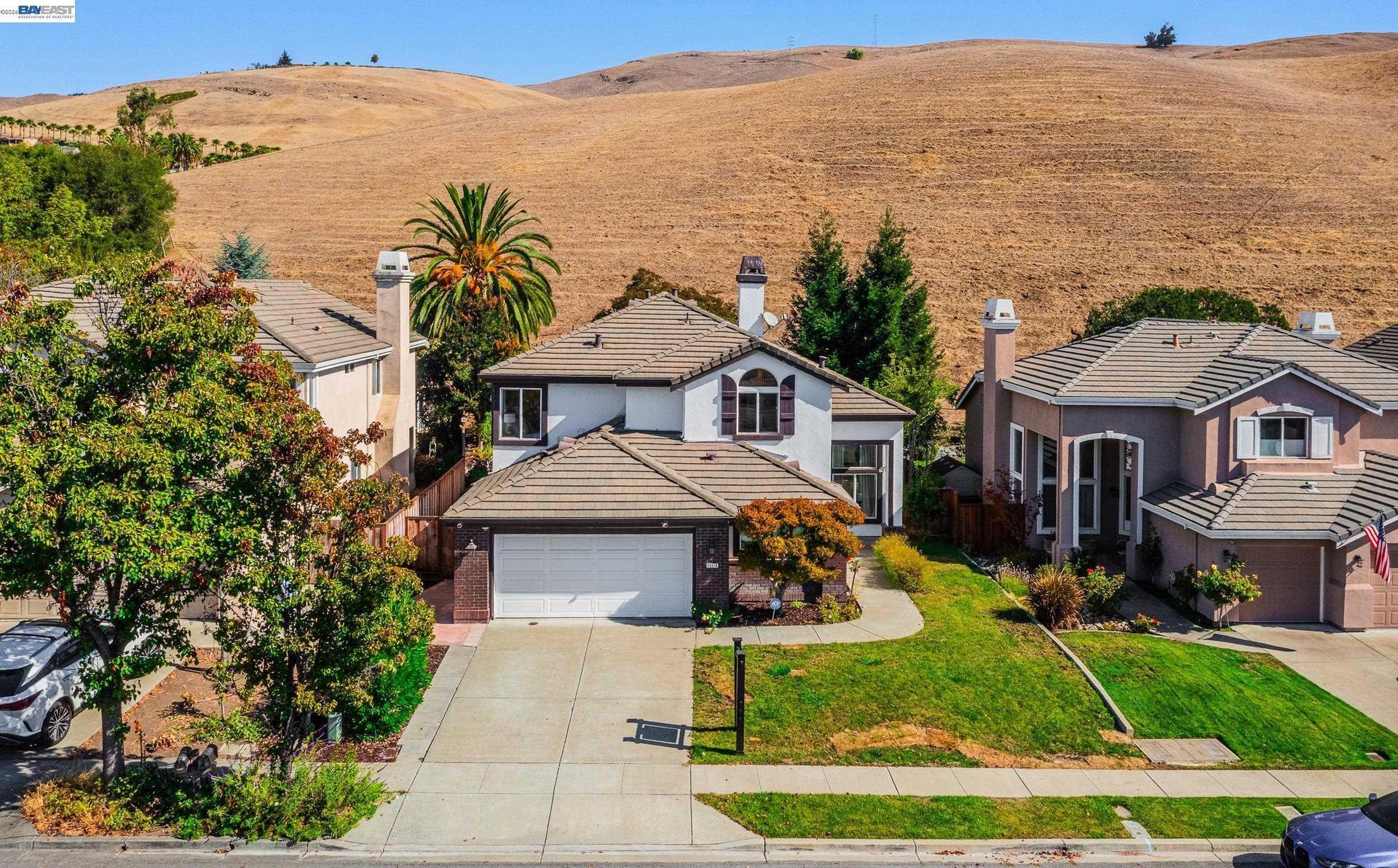
- Residential roads extend into rolling hills where slope, vegetation, grading, and ridgeline regulations can become important property considerations.
- Lafayette Creek, Las Trampas Creek, neighborhood trails, and regional trail connections create natural corridors through different parts of the city.
🎉 Fun Fact
Lafayette is named for the Marquis de Lafayette, the French military officer who supported the American Revolution. A statue honoring the city's namesake stands near Lafayette Plaza.
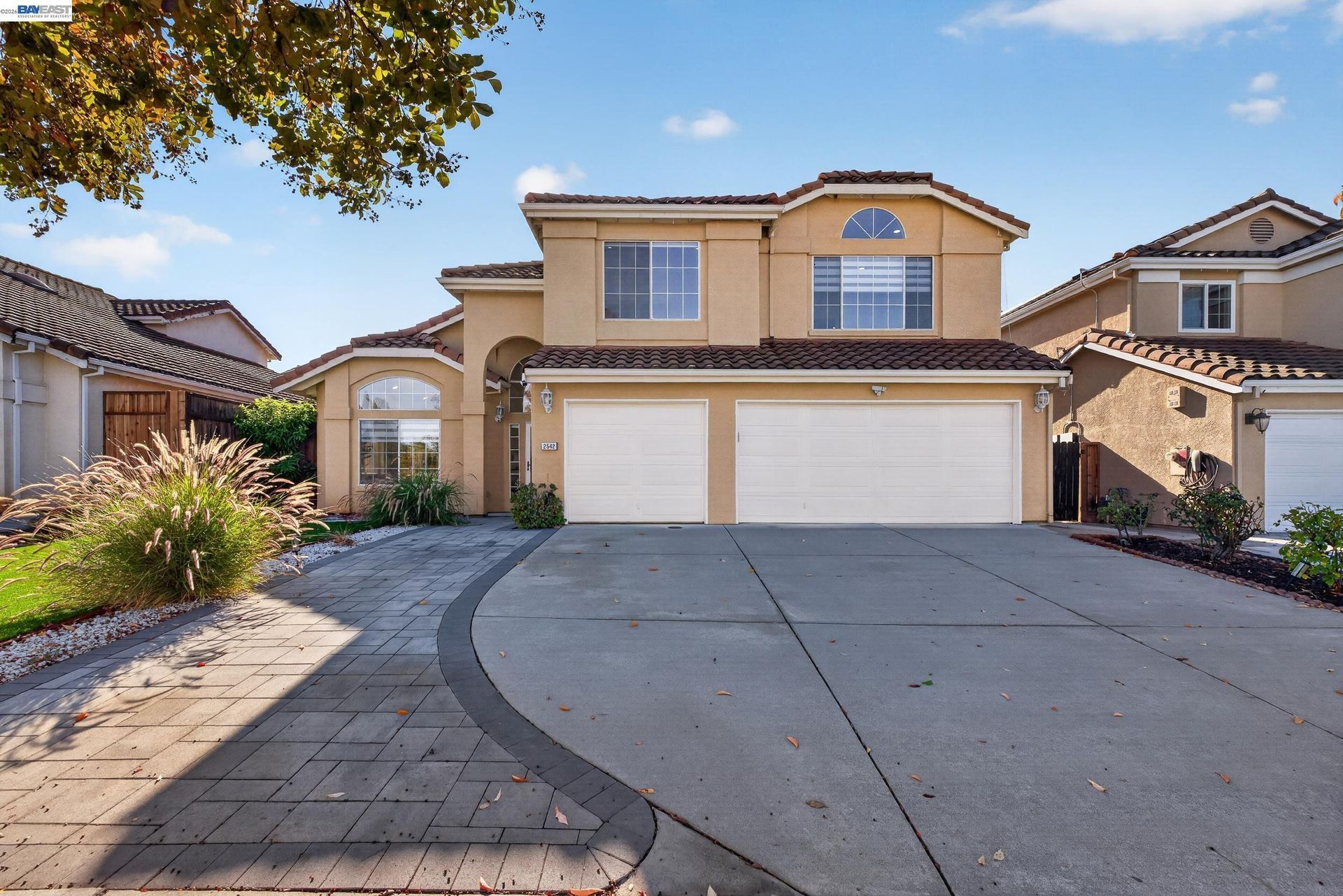
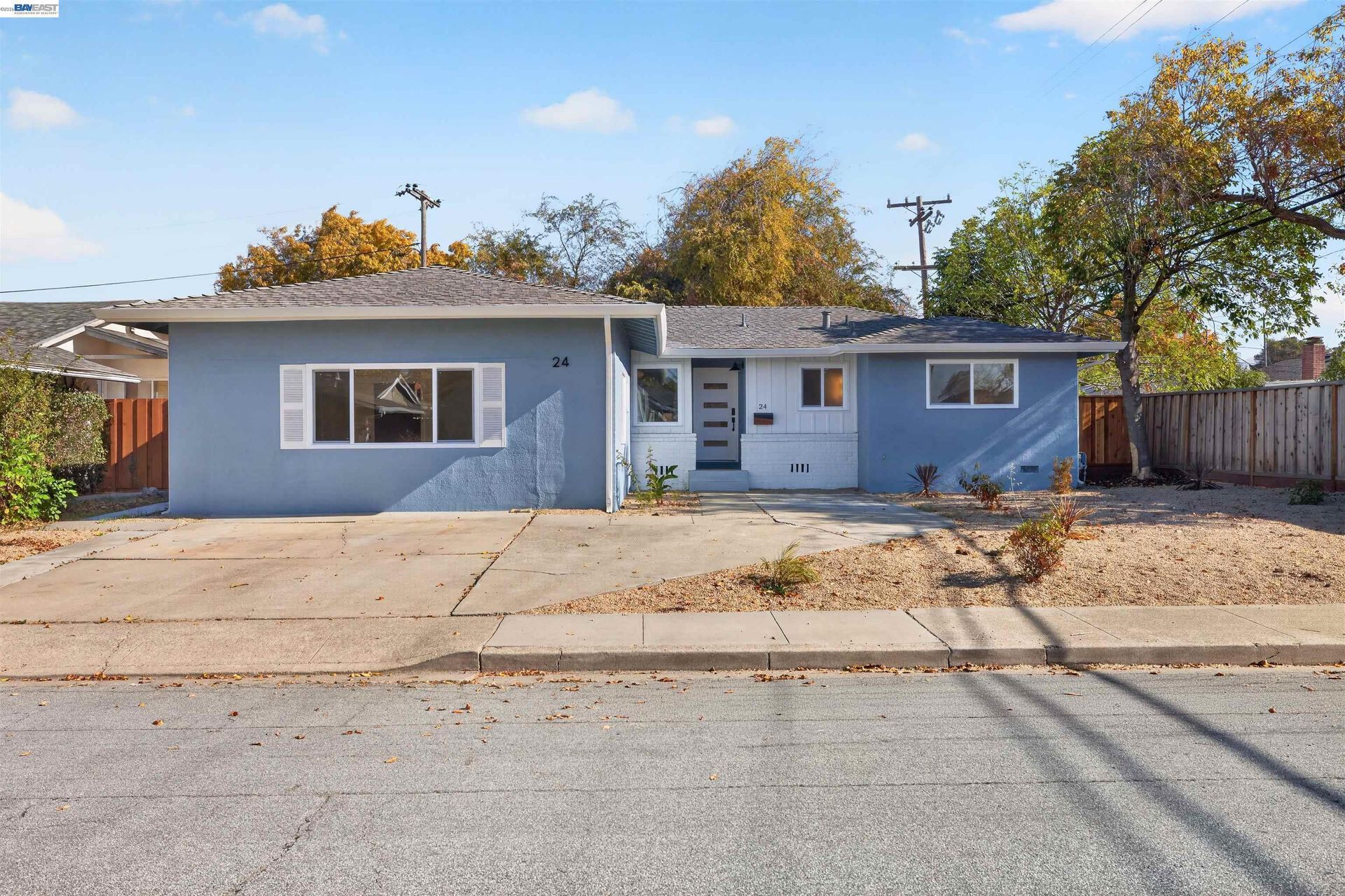
🏡 Residential Setting and Housing
- Established Subdivisions: Many residential streets date from Lafayette's major growth period during the middle decades of the twentieth century.
- Hillside Homes: Properties on elevated roads can differ in slope, driveway design, retaining improvements, vegetation, and access.
- Larger Residential Parcels: Some areas contain wider or deeper lots with more varied building placement than properties closer to Downtown.
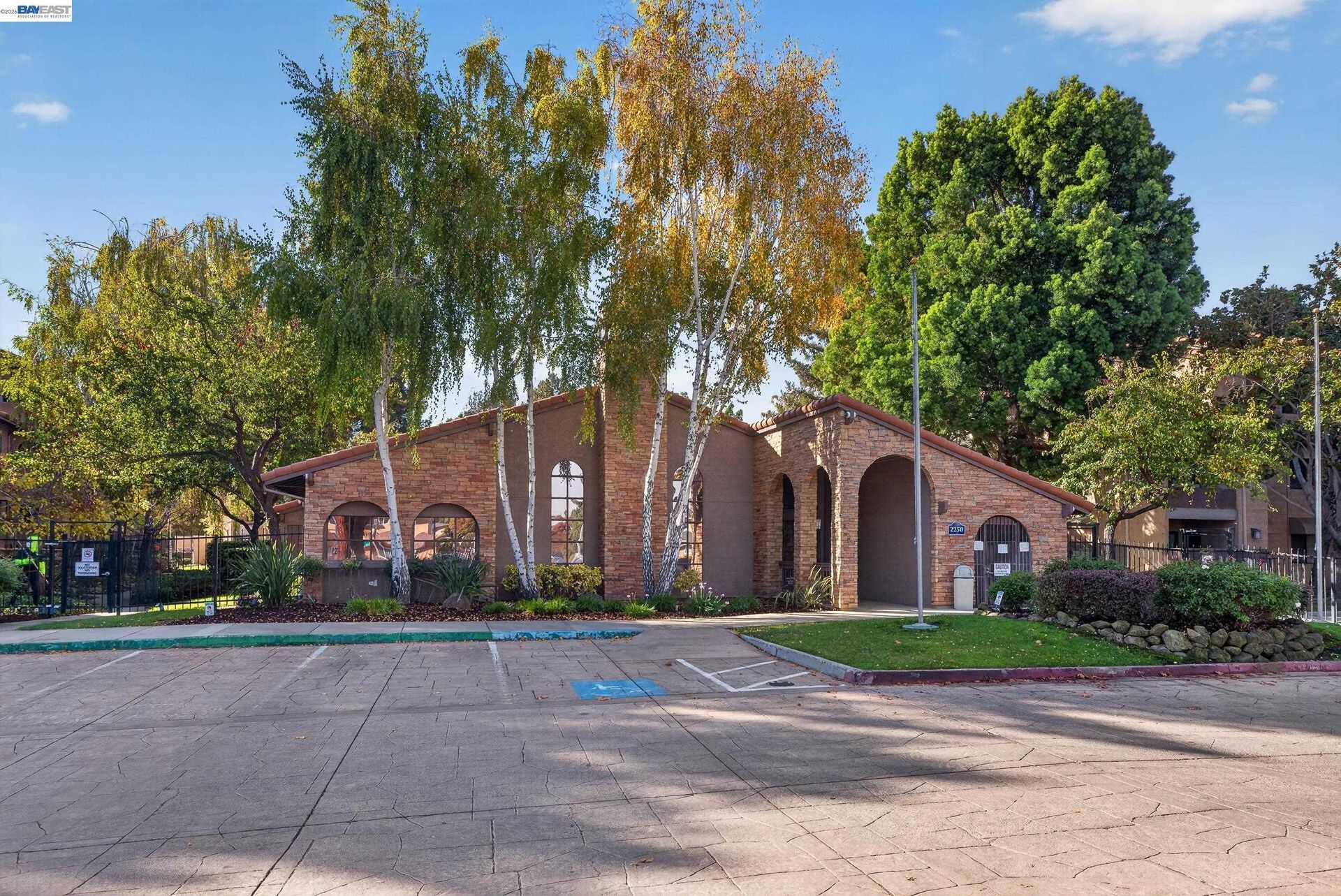
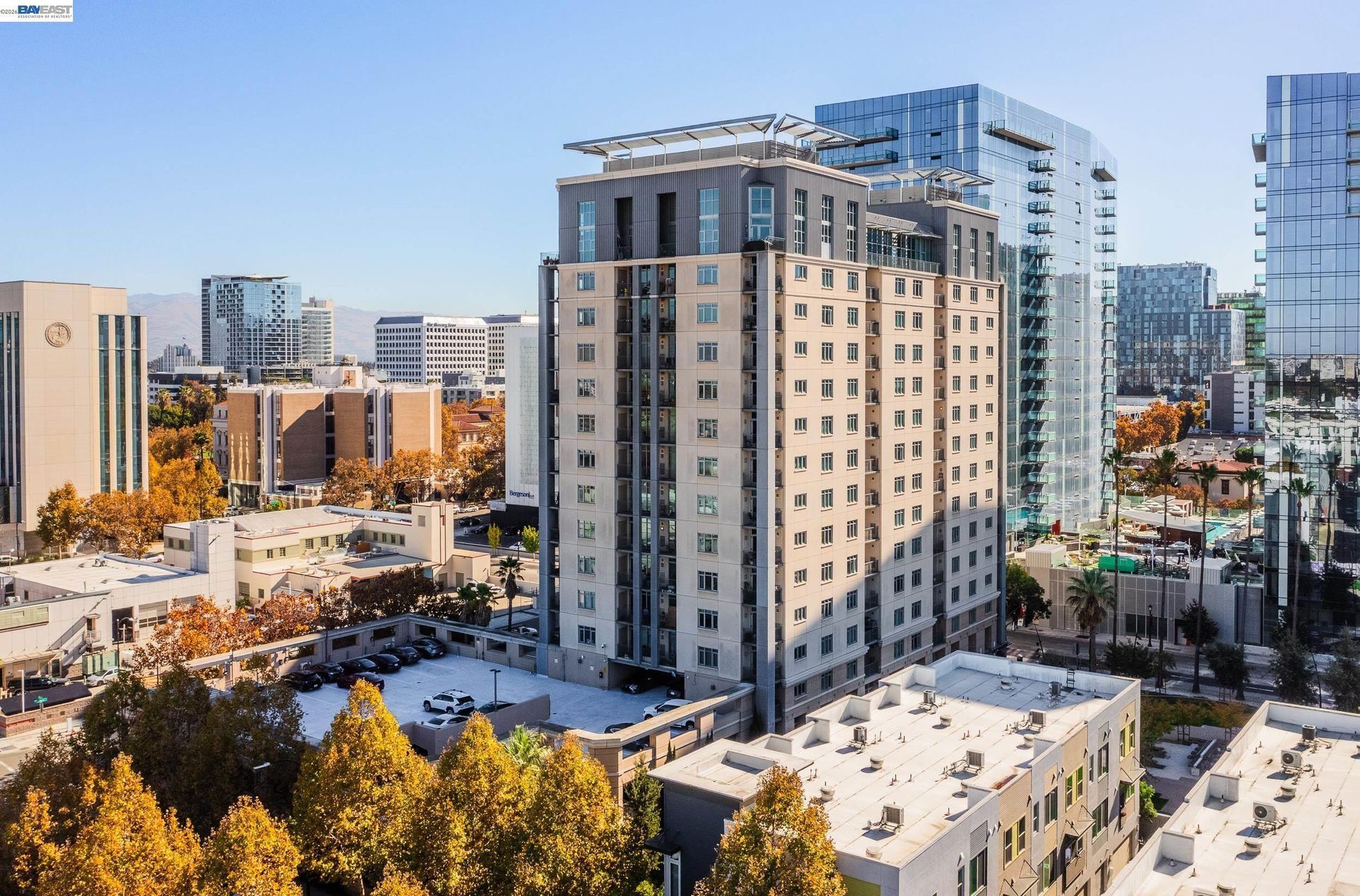
- Downtown Housing: Apartments, condominiums, townhomes, and other multifamily housing add a different residential pattern near BART and Mount Diablo Boulevard.
- Remodeled Homes: Additions, replacement structures, landscape changes, and major renovations have altered many older properties over time.
💼 Business and Employment Areas
- West End: The western entrance to Downtown functions as a transition between residential areas, Highway 24 access, offices, lodging, service businesses, and other commercial properties.
- Downtown Retail District: Storefronts, restaurants, personal services, and smaller commercial spaces give this section of Mount Diablo Boulevard its primary retail role.
- Plaza District: Civic activity, public gathering areas, dining, the Lafayette Library and Learning Center, and nearby businesses distinguish this portion of the Downtown Core.
- East End: Commercial parcels become more service oriented toward Pleasant Hill Road, with offices, automotive uses, and businesses occupying a different pattern from the central storefront districts.
- BART and Highway 24 Area: Transportation access, offices, housing, and Downtown activity intersect around Lafayette Station, creating a different land use pattern from the surrounding residential hills.
📊 Real Estate Overview
Lafayette properties vary according to construction period, parcel size, terrain, proximity to Downtown, and position within the surrounding hills and creek valleys. Homes near BART and Mount Diablo Boulevard have a different context from properties on winding hillside roads or larger parcels farther from the commercial center.
Property Differences by Setting
- Downtown and BART area properties can involve smaller parcels, attached housing, parking considerations, commercial surroundings, and greater exposure to transportation activity than interior residential streets.
- Homes in Happy Valley, Burton Valley, Reliez Valley, and other residential areas can differ in lot configuration, road pattern, construction period, terrain, and proximity to creeks or open land.
- Properties adjoining creek corridors, trails, or reservoir land may require closer review of drainage, easements, parcel boundaries, access, and the distinction between private and managed land.
- Older homes can also vary considerably after decades of additions, remodeling, accessory structures, grading, and other property improvements.
Development and Land Use Context
- Planning requirements can also differ substantially by site. Properties within Lafayette's Hillside Overlay District may require a Hillside Development Permit for construction, grading, subdivision, or other specified work. Certain larger or taller residential projects can also trigger the City's design review process.
🌳 Parks, Trails and Local Attractions
- Lafayette Reservoir: A paved path follows the water's edge, while an upper trail extends through steeper surrounding terrain. Fishing, boating, picnic areas, and additional recreation are available under current East Bay Municipal Utility District rules.
- Lafayette Community Park: Las Trampas Creek passes along this 68 acre park, where sports fields occupy the southern portion and nearly three miles of trails continue through oak woodland, grassland, and former orchard areas.
- Lafayette Moraga Regional Trail: This regional route follows a former rail corridor between Lafayette and Moraga, functioning as both a recreation path and a connection between the two communities.
- Briones Regional Park: North of Lafayette, this much larger regional landscape extends through ridges, grasslands, valleys, and trail systems outside the city's developed streets.
- Lafayette Plaza: Rather than a large recreation park, the Plaza serves as a small Downtown gathering space at Mount Diablo Boulevard and Moraga Road.
🏘️ Residential Settings Across Lafayette
- Downtown and Central Lafayette: Housing near Mount Diablo Boulevard and BART includes established residential streets, condos, apartments, townhomes, and properties close to commercial and civic uses.
- Happy Valley Area: Residential roads extend through wooded terrain and larger parcels north and west of the central city, with varied street and lot configurations.
- Burton Valley Area: Established residential streets occupy a broader valley setting southeast of Downtown near schools, parks, trails, and creek corridors.
- Reliez Valley Area: Northern residential sections have a closer relationship to rolling terrain, larger parcels, creek valleys, and roads leading toward Briones and neighboring communities.
- Western and Reservoir Area: Properties closer to Lafayette Reservoir and the western hills can have stronger relationships to slopes, vegetation, utility land, trails, and winding residential roads.
🚆 Transportation and Regional Access
- Highway 24 crosses Lafayette from east to west and connects the city with Oakland, Orinda, Walnut Creek, and other central Contra Costa communities.
- Lafayette BART Station is located on Deer Hill Road near Downtown and is served by trains operating between the Antioch area and San Francisco International Airport or Millbrae.
- Mount Diablo Boulevard provides the principal surface route through Downtown.
- Moraga Road and Saint Mary's Road connect Lafayette with Moraga and southern residential areas.
- Pleasant Hill Road provides access toward northern Lafayette, Acalanes High School, Highway 24, and neighboring communities.
- County Connection bus service provides additional transit connections at Lafayette BART.
📚 Schools and Education
- Acalanes High School: Current coursework includes Advanced Placement and honors options along with Career Technical Education fields such as engineering, computer technology, design, manufacturing, and other career focused subjects.
- Stanley Middle School: Students select electives according to grade level while participating in the district's middle grade academic program, student activities, and leadership opportunities.
- Lafayette Elementary School: Students receive classroom instruction together with specialist programs in science, art, music, library skills, and academic intervention.
- Happy Valley Elementary School: Science, art, music, library instruction, reading support, and a Learning Center are among the resources represented by current campus specialist staff.
- Burton Valley Elementary School: Classroom learning is supplemented by science lab instruction, art, library, music, gardening activities, and upper grade band, strings, or chorus.
✅ What Can You Do?
For Buyers
- Check whether a property is within Lafayette's Hillside Overlay District before assuming that a major addition, grading project, replacement home, or significant site modification can proceed under standard review.
- Compare Downtown and BART area properties with homes farther into Happy Valley, Burton Valley, Reliez Valley, or the hills according to their actual road pattern, parcel configuration, and surrounding land uses.
- If a home is near Lafayette Reservoir or a trail corridor, distinguish between public access routes, East Bay Municipal Utility District property, easements, and the boundaries of the residential parcel.
- For homes with substantial previous remodeling, compare the current structure with available planning approvals and building permit records.
- When future expansion is important, review lot coverage, setbacks, building height, terrain, and applicable design review requirements before relying on the apparent size of the parcel.
For Sellers
- Prepare available permits and planning approvals for additions, remodels, grading, retaining structures, accessory buildings, and other significant property improvements.
- Describe proximity to Downtown, BART, Lafayette Reservoir, or regional trails using factual routes or distances rather than broad lifestyle claims.
- For hillside properties, provide available information about grading, retaining improvements, drainage, driveway access, and previous site work.
- If the property borders a creek, trail, reservoir land, or other managed area, distinguish clearly between the residential parcel and neighboring public or utility property.
- When the home has undergone substantial exterior changes, organize design review records and approved plans that help explain the property's development history.
❓ FAQ
Q: Is Lafayette Reservoir a City of Lafayette park?
A: No. Lafayette Reservoir is owned and managed by East Bay Municipal Utility District. It is not currently used for drinking water but is protected as an emergency drinking supply while also providing recreation under current district rules.
Q: Does Lafayette have its own BART station?
A: Yes. Lafayette Station is located at 3601 Deer Hill Road near Downtown and Highway 24. It is part of BART's current Antioch to San Francisco International Airport and Millbrae service.
Q: Do all Lafayette hillside homes require a Hillside Development Permit for improvements?
A: No. The requirement depends on whether the property is within the Hillside Overlay District and on the type of work proposed. Current City planning information should be reviewed for the individual parcel and project.
🔚 Conclusion
Lafayette brings together a compact Downtown corridor, regional rail access, a major reservoir, established residential streets, creek valleys, and rolling hills. These features create meaningful differences between properties across the city. Construction history, terrain, planning requirements, parcel configuration, and the relationship to Downtown or surrounding natural land provide useful context when researching Lafayette real estate.
This blog is for general informational purposes only and does not constitute legal, tax, accounting, investment, or professional advice. Always consult with qualified professionals before making any decisions based on this content. School information including addresses, phone numbers, and emails was accurate as of the blog’s published date but may change without notice. Please verify directly with the school or institution. This content is provided “as is,” without warranties of any kind. If you are currently under an exclusive agreement with another real estate broker, this blog is not intended as a solicitation.
Contact Us