
Could Builder Incentives Affect Your Home Sale?
Updated November 17, 2026

Could Builder Incentives Affect Your Home Sale?
New-home builders may offer closing cost credits, mortgage rate buydowns, or design upgrades to attract buyers. Sellers of existing homes can benefit from understanding these promotions, but matching them is not always necessary or financially beneficial.
📝 Introduction
Builder incentives are an important consideration in markets where new construction competes with existing homes. Promotions may include financing assistance, closing cost contributions, or selected upgrades, depending on the development and available programs. However, the advertised value of an incentive does not always reflect its long-term financial benefit to a buyer. For resale sellers, the goal is to understand competing properties, assess any meaningful differences, and decide whether adjustments to pricing, presentation, or terms would strengthen their listing.
🔑 5 Pro Moves for Sellers Competing With Builder Incentives
1. Know What Builders Are Offering
Buyers compare offers and perks.
Now: Research nearby new-home developments with comparable properties. Review advertised prices, closing cost credits, mortgage promotions, included upgrades, and any conditions attached to those offers.
2. Evaluate Seller Incentives Before Offering Them
Seller credits may help address a buyer's financing concerns, but they also affect the amount the seller receives at closing.
Now: Consider a closing cost credit or temporary rate buydown when appropriate. Calculate the expense, compare it with other negotiating options, and confirm applicable lender restrictions.
3. Highlight Upgrades That Deliver Value
Buyers appreciate tangible value.
Now: Showcase documented improvements, maintenance history, updated systems, and existing property features. Provide accurate information about completed work and available permits.
4. Present Incentive Information Clearly
A clearly described offer helps buyers understand what is included and what conditions may apply.
Now: If offering a seller credit or other incentive, state the proposed amount and relevant conditions accurately. Coordinate financing-related language with the appropriate lender before advertising specific loan benefits.
5. Use Market Feedback Instead of Artificial Urgency
A genuine incentive should address a transaction need rather than rely on pressure to encourage an immediate decision.
Now: Review showing activity, competing listings, and buyer feedback. Set incentive terms based on your selling goals and use an expiration date only when it represents a genuine offer condition.
✅ What You Can Do Now
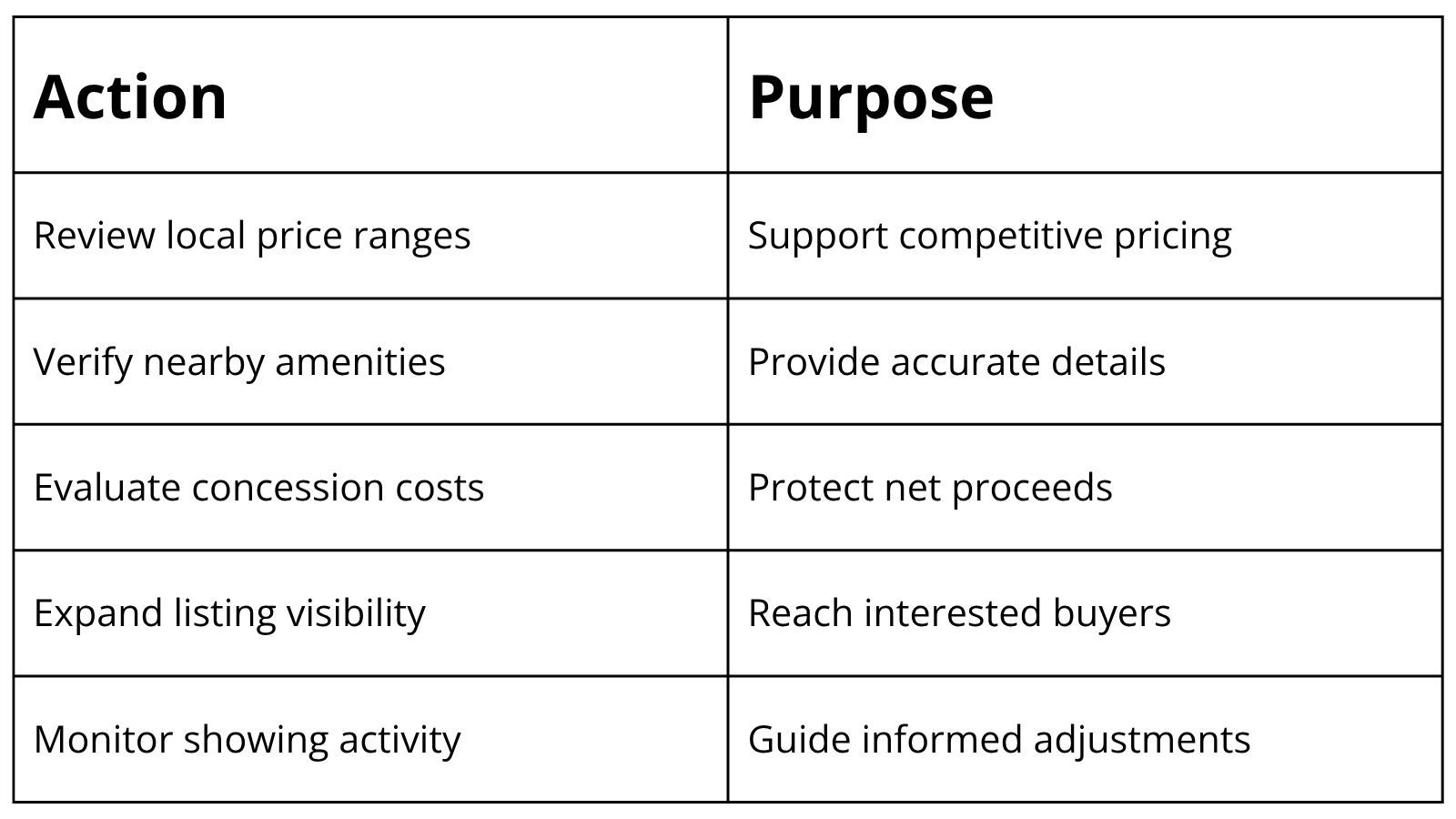
❓ FAQ
Q: Should I drop the price or offer incentives?
A: That depends on the property's asking price, comparable sales, buyer feedback, and the cost of the proposed incentive. A credit may address a specific financing concern, while a price adjustment may be more appropriate when the listing is above market expectations. Compare estimated net proceeds before choosing either option.
Q: Will small incentives truly influence an offer?
A: They may. A closing cost credit or other negotiated benefit can be meaningful to some buyers, but its effectiveness depends on the buyer's financing needs and contract terms. An incentive does not guarantee additional interest or a stronger offer.
Q: Do resale sellers need to match the mortgage rates advertised by builders?
A: No. Some builders have financing arrangements or promotions that may not be available to individual resale sellers. Advertised rates may also involve temporary buydowns or specific loan conditions. Sellers should review competing offers with their Realtor and consult a lender before considering a similar arrangement.
🔚 Conclusion
Builder incentives can influence how buyers compare new construction with existing homes, but resale sellers do not need to match every promotion to remain competitive. The appropriate approach depends on local inventory, property characteristics, comparable sales, and the financial impact of any proposed concession. By understanding nearby builder offers, highlighting documented property improvements, and presenting clear terms, sellers can make informed decisions that support their listing strategy and financial goals.
This blog is for general informational purposes only and does not constitute legal, tax, accounting, investment, or professional advice. Always consult with qualified professionals before making any decisions based on this content. School information including addresses, phone numbers, and emails was accurate as of the blog’s published date but may change without notice. Please verify directly with the school or institution. This content is provided “as is,” without warranties of any kind. If you are currently under an exclusive agreement with another real estate broker, this blog is not intended as a solicitation.
Contact Us