
Castro Valley: Central Valley & Hillside
Updated November 04, 2026
Castro Valley: Central Valley & Hillside
Castro Valley changes noticeably from its central district to the surrounding hills. Near Castro Valley Boulevard and BART, the landscape is flatter and more closely connected to shops, services, and transportation. Farther outward, roads climb into hillside and canyon settings near Lake Chabot and regional open space. Because Castro Valley is unincorporated, Alameda County also plays a direct role in zoning, planning, and property records.
📝 Introduction
Castro Valley developed from ranching and agricultural land into a largely residential East Bay community during the twentieth century. Today, flatter streets near the central commercial district differ from properties extending into surrounding hills and canyon areas, where elevation, road patterns, lot configuration, and access can change noticeably.
📍 What Defines Castro Valley
- Castro Valley is governed through Alameda County rather than through an incorporated city government.
- Much of the commercial core, BART access, community services, and established residential streets occupy the lower central portion of Castro Valley.
- Residential areas extend into rolling hills and canyon terrain where elevation, vegetation, roads, and lot shapes become more varied.
- The boulevard functions as the community's principal commercial corridor.
- Lake Chabot Regional Park provides a major open space and recreation setting along the western side of Castro Valley.
🎉 Fun Fact
Castro Valley was once a significant poultry producing area. During the early twentieth century, chicken farms operated throughout the valley, and egg and poultry production became an important part of the local economy before residential development expanded.
🏡 Residential Setting and Housing
- Central Homes: Established streets near Castro Valley Boulevard contain houses from several periods of twentieth century development.
- Postwar Subdivisions: Large portions of Castro Valley were developed after World War II as former agricultural land was converted to housing.
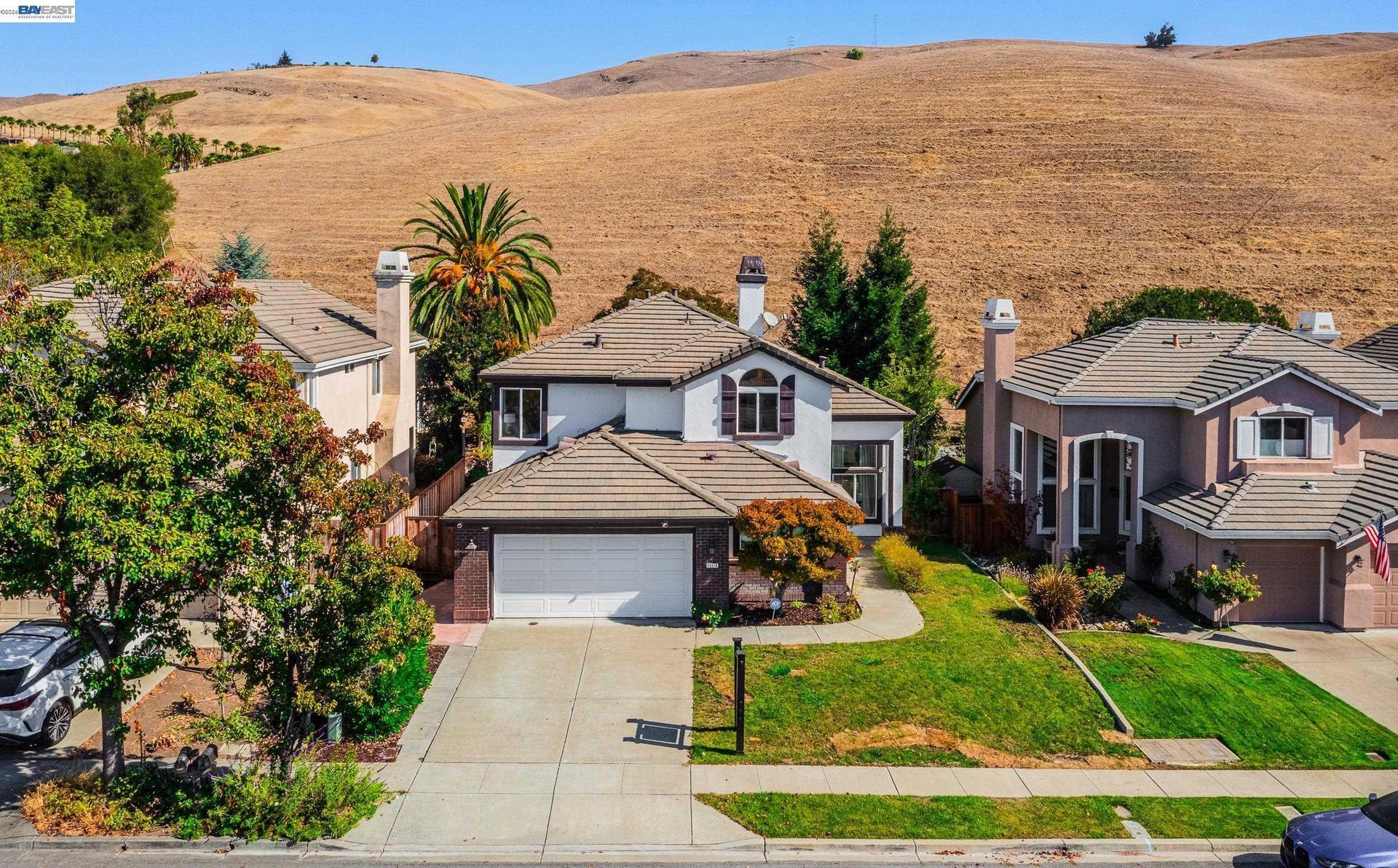
- Hillside Properties: Homes on elevated streets can involve slope, retaining structures, drainage, vegetation, and more varied driveway access.
- Attached Housing: Condos and townhomes appear in selected developments and provide a different ownership structure from detached properties.
- Later Planned Communities: Five Canyons, Palomares Hills, and other developments introduced newer street patterns, association governed properties, and hillside construction.
💼 Business and Employment Areas
- Castro Valley Boulevard: This corridor serves as the community's traditional commercial center and brings together independent businesses, restaurants, professional offices, and everyday services.
- Castro Village: Developed as a neighborhood shopping destination, Castro Village remains a recognizable part of central Castro Valley and reflects the area's mid twentieth century commercial growth.
- Redwood Road: Rather than functioning only as a shopping street, Redwood Road is an important north to south connection linking central Castro Valley with residential sections, Interstate 580, and surrounding communities.
- Lake Chabot Road: Medical and professional uses are more prominent along portions of this corridor, including activity associated with nearby health care facilities.
- Regional Employment Access: Castro Valley's location between Interstate 580, Interstate 238, and BART provides transportation connections toward Oakland, San Leandro, Hayward, Dublin, Pleasanton, and other East Bay employment centers.
📊 Real Estate Overview
Castro Valley real estate changes noticeably between the central valley and surrounding hillside sections. Older homes near the commercial core may include additions, converted spaces, or decades of remodeling, while properties farther into the hills can involve retaining walls, drainage systems, vegetation, steeper streets, and more complex lot configurations.
Property Differences by Setting
- Homes near the central district can differ from hillside properties in street layout, lot shape, parking, access, and the relationship to nearby commercial or transit areas.
- Older central properties may require closer review of permit history, additions, converted spaces, and major system upgrades when comparing homes of similar size.
- Hillside and canyon area homes can involve retaining structures, drainage, vegetation management, steeper driveways, and other site conditions that are less common in flatter parts of the community.
- Association governed developments such as Five Canyons and Palomares Hills may also involve shared maintenance responsibilities, design rules, and homeowners association documents that do not apply to many older central valley properties.
Development and Land Use Context
- Because Castro Valley is unincorporated, zoning and land use review are administered through Alameda County. The County maintains planning documents for both the broader community and central business district, making parcel specific zoning, permit records, and development standards important when substantial property changes are being considered.
- That County role is especially important when reviewing additions, ADUs, lot changes, hillside improvements, or redevelopment because the applicable requirements come from Alameda County rather than an incorporated city government.
- For properties in the central business district or other areas affected by specific planning documents, parcel level research is more useful than relying on the community name alone.
🌳 Parks, Trails and Local Attractions
- Lake Chabot Regional Park: The reservoir is one of Castro Valley's defining landscape features, with a network of shoreline and hillside trails extending through a large regional open space setting.
- Anthony Chabot Regional Park: This park reaches into the higher terrain east of Lake Chabot, where wooded hills, trail systems, camping areas, and undeveloped land contrast with Castro Valley's residential core.
- Cull Canyon Regional Recreation Area: Cull Canyon follows a narrower valley setting and is known for recreation facilities positioned between surrounding hills and open land.
- Castro Valley Community Park: Unlike the larger regional parks, this park functions as a local recreation center with sports facilities, playgrounds, gathering areas, and community programs.
- Castro Valley Library: Positioned near BART and the central district, the library serves as a civic and community resource rather than an outdoor recreation destination.
🏘️ Residential Settings Across Castro Valley
- Central Castro Valley: Residential streets near Castro Valley Boulevard have closer connections to shops, services, BART, the library, and the established street network.
- Lake Chabot Road Area: Housing along this corridor transitions from the central district toward the open space surrounding Lake Chabot.
- Proctor and Upper Valley Areas: Elevation begins to play a larger role here, with changing lot shapes, vegetation, road patterns, and hillside conditions.
- Five Canyons: This later planned development follows rolling terrain southeast of central Castro Valley and includes association governed properties.
- Palomares Hills: Residential streets occupy higher terrain with curving roads and a different physical setting from the flatter central valley.
🚆 Transportation and Regional Access
- Interstate 580 passes through Castro Valley and provides regional connections toward Oakland, Dublin, Pleasanton, and surrounding East Bay communities.
- Interstate 238 links the area with Interstate 880 and nearby San Leandro.
- Castro Valley Boulevard, Redwood Road, Lake Chabot Road, and Crow Canyon Road provide important local connections.
- Castro Valley BART Station is located on Norbridge Drive and provides regional rail service toward other parts of the East Bay and San Francisco.
- AC Transit provides additional bus connections within Castro Valley and surrounding communities.
📚 Schools and Education
- Castro Valley High School: Students can choose from Advanced Placement and honors coursework as well as career pathways in areas such as health and biotechnology, digital design, and information technology.
- Canyon Middle School: Music is one of Canyon's distinguishing program areas, with band, orchestra, and choir offered at different experience levels.
- Creekside Middle School: Creekside uses an interdisciplinary middle school structure that combines core subjects with exploratory classes, advisory periods, physical education, and independent reading.
- Vannoy Elementary School: Vannoy stands out within the district as the location of the Spanish Dual Language Immersion program beginning in the early grades.
- Proctor Elementary School: Proctor's elementary program includes classroom instruction together with expanded learning and student activities, while the campus is adding TK beginning with the 2026 to 2027 school year.
✅ What Can You Do?
For Buyers
- Compare central Castro Valley homes with hillside properties separately because elevation, road layout, lot configuration, and access can change considerably within a short distance.
- For homes extending toward Lake Chabot or the eastern hills, examine drainage, retaining structures, vegetation, driveway grade, and the property's relationship to nearby open space.
- If BART access matters, compare the actual route to Norbridge Drive with locations that depend more heavily on Interstate 580 or surface streets.
- For homes in Five Canyons, Palomares Hills, or other planned developments, review association documents and shared maintenance responsibilities that apply to the specific property.
- Use Alameda County zoning and parcel records when considering an addition, ADU, lot modification, or other substantial property change.
For Sellers
- Describe whether the property sits in central Castro Valley, near Lake Chabot, on a hillside, or within a planned development so buyers can understand its specific setting.
- For hillside homes, organize available information on retaining walls, drainage work, roofing, vegetation management, driveway improvements, and other site related work.
- When a home has been expanded from an older floor plan, clearly distinguish documented additions, conversions, and later improvements from the original structure.
- Highlight factual access to Castro Valley BART, Lake Chabot, regional parks, Castro Valley Boulevard, or nearby trails when those locations are relevant.
- For properties within association governed developments, make current association information available early so buyers can understand applicable rules and shared responsibilities.
❓ FAQ
Q: How does central Castro Valley differ from the hillside sections?
A: Central Castro Valley generally has flatter streets, closer access to the main commercial district, BART, and community services. Hillside sections can involve steeper roads, sloped lots, retaining structures, vegetation, drainage, and different access conditions.
Q: Does Castro Valley have its own BART station?
A: Yes. Castro Valley Station is located on Norbridge Drive and provides regional rail connections to other parts of the East Bay and San Francisco.
Q: Who handles zoning and planning in Castro Valley?
A: Castro Valley is unincorporated, so Alameda County administers zoning, planning, permitting, and many other local government functions.
🔚 Conclusion
Castro Valley's central valley and surrounding hills create noticeably different property settings within the same community. Flatter residential streets near BART and Castro Valley Boulevard transition into elevated areas shaped by open space, winding roads, vegetation, and varied lot conditions. Terrain, County planning rules, transportation access, and the immediate setting of each property provide useful context when comparing Castro Valley real estate.
This blog is for general informational purposes only and does not constitute legal, tax, accounting, investment, or professional advice. Always consult with qualified professionals before making any decisions based on this content. School information including addresses, phone numbers, and emails was accurate as of the blog’s published date but may change without notice. Please verify directly with the school or institution. This content is provided “as is,” without warranties of any kind. If you are currently under an exclusive agreement with another real estate broker, this blog is not intended as a solicitation.
Contact Us