
San Jose: Capital of Silicon Valley
Updated October 14, 2026

San Jose: Capital of Silicon Valley
San Jose is known as the Capital of Silicon Valley and combines a major downtown, established residential areas, technology and employment districts, regional transportation, shopping, parks, trails, and foothill recreation. Its housing ranges from detached single family homes to condominiums, townhomes, multifamily properties, mixed use development, and newer housing near transit and employment centers.
📝 Introduction
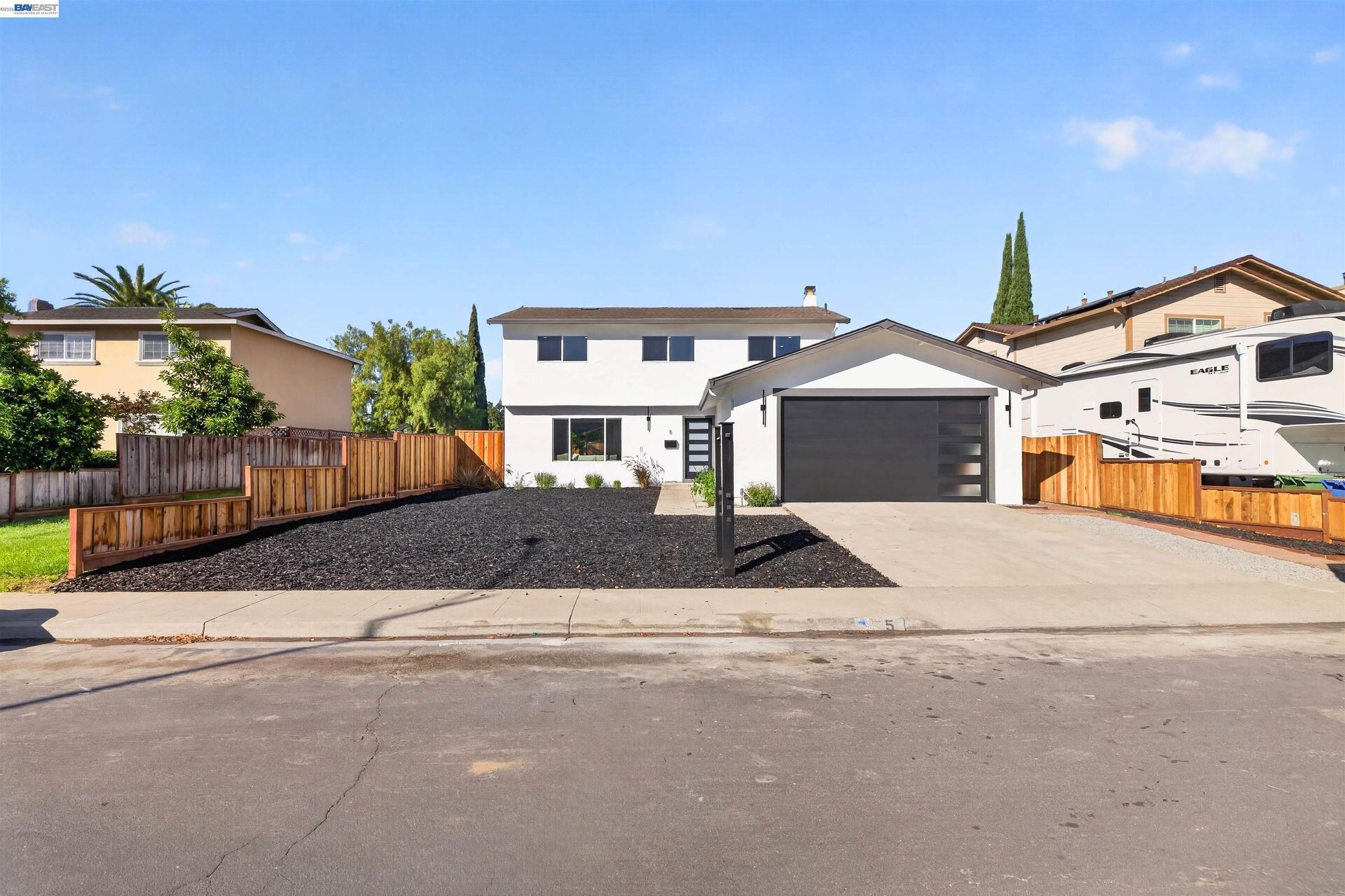
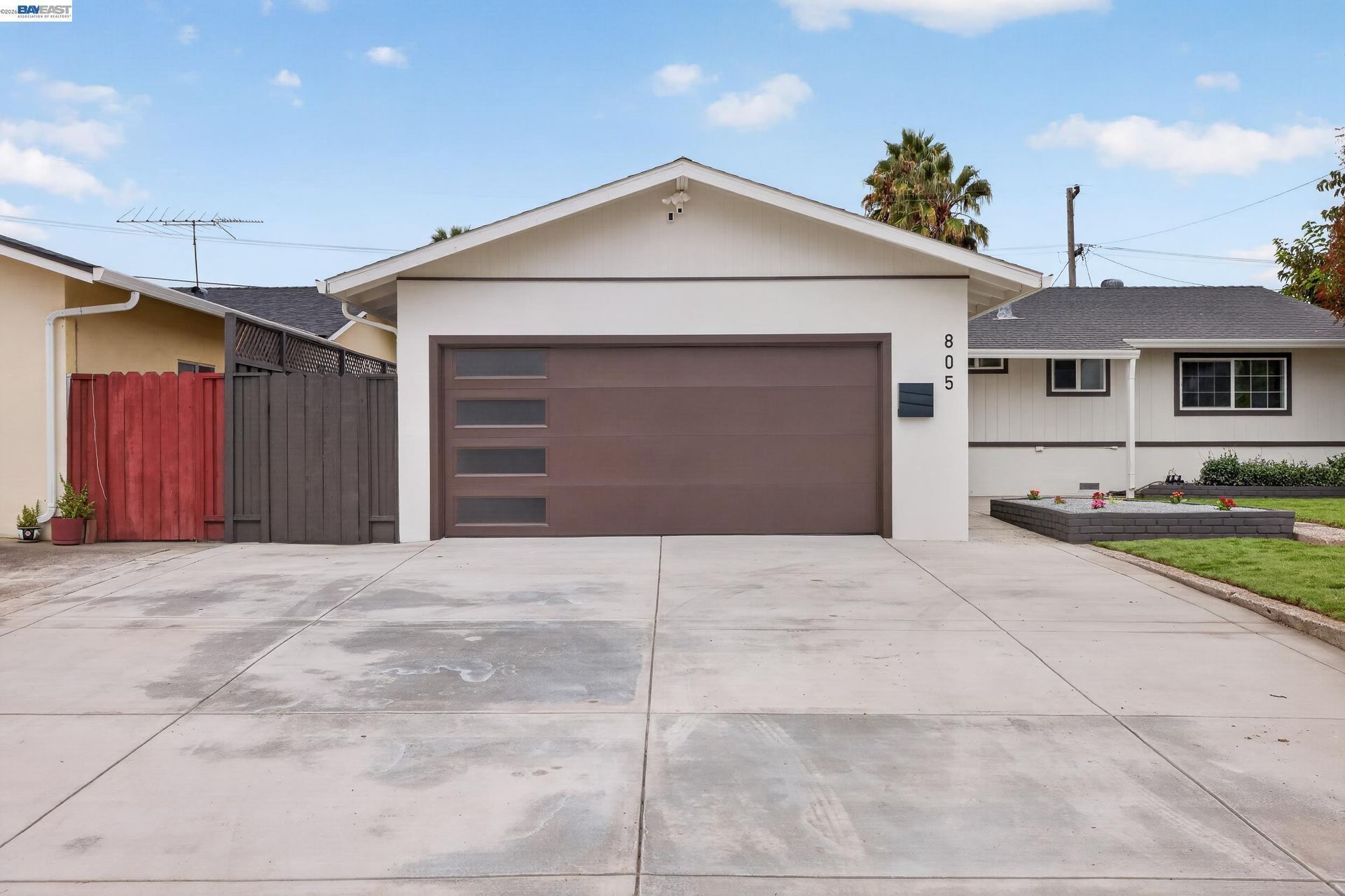
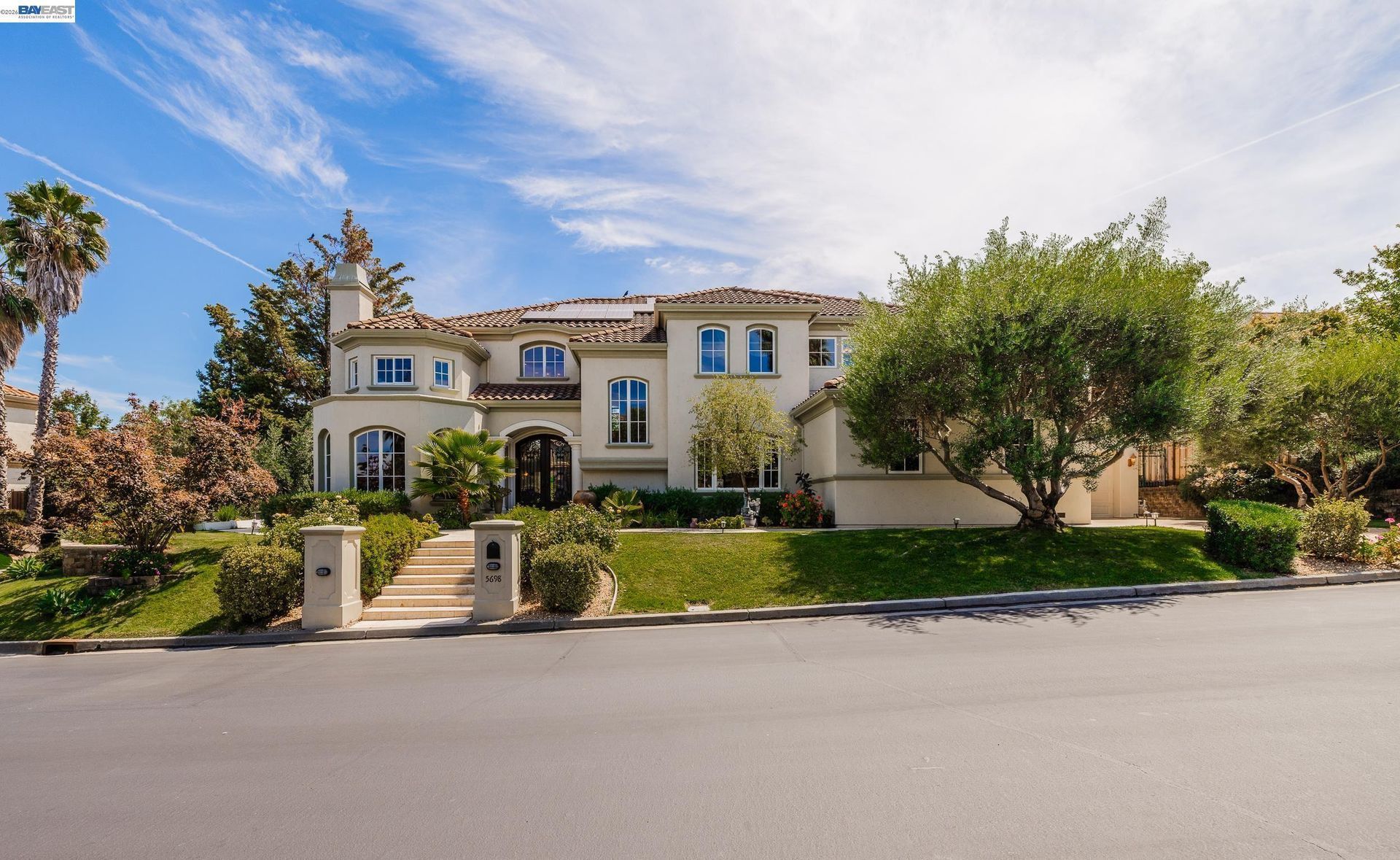
San Jose extends across a large portion of the Santa Clara Valley, with residential areas, commercial districts, employment centers, parks, trails, cultural institutions, and foothill landscapes spread throughout the city. Downtown provides a civic and entertainment center, while North San Jose contains significant technology and employment uses and other sections offer established housing, commercial corridors, and access to open space. Because the city covers a large geographic area, housing type, architecture, lot size, development period, and surrounding land uses can vary considerably from one location to another.
📍 What Defines San Jose
- Downtown San Jose serves as a civic, cultural, entertainment, residential, and employment center.
- North San Jose contains technology, research, office, industrial, and residential development.
- The city uses an Urban Village strategy to guide housing and employment growth around transit and commercial corridors.
- San Jose has an extensive urban trail system connecting residential areas, employment districts, downtown, parks, and open space.
- Santana Row combines retail, restaurants, lodging, residences, entertainment, and public gathering areas.
- Parks and recreational areas extend from central San Jose toward the eastern and southern foothills.
🎉 Fun Fact
San Jose traces its civic history to 1777, when El Pueblo de San José de Guadalupe was established. The city later served briefly as California’s first state capital after statehood.
🏡 Residential Setting and Housing
- Single Family Homes: Detached homes are found throughout areas such as Willow Glen, Evergreen, Almaden Valley, Cambrian, Berryessa, and many other parts of the city.
- Condos and Townhomes: Attached housing is found near commercial corridors, employment districts, transit areas, and established residential sections.
- Downtown Housing: Downtown includes apartments, condominiums, mixed use buildings, and newer residential development alongside offices, entertainment, and civic uses.
- Urban Village Housing: San Jose directs additional housing and employment growth toward designated Urban Villages, many of which are located around transit and major commercial corridors.
- Accessory Dwelling Units: ADUs are another component of the city’s residential inventory on qualifying properties.
💼 Business and Employment Areas
- Downtown San Jose: Offices, restaurants, hotels, entertainment venues, cultural institutions, residential buildings, and public facilities are concentrated throughout the downtown core.
- North San Jose: This area contains significant commercial, industrial, research, office, residential, park, and open space development.
- Diridon Station Area: The area surrounding Diridon Station includes transportation infrastructure, offices, housing, entertainment, and long term redevelopment planning.
- Santana Row and West San Carlos: The west side includes retail, dining, commercial, residential, and mixed use properties.
- Employment Corridors: Additional employment uses are located through Edenvale, Monterey Road, North Coyote Valley, and other designated employment areas.
📊 Real Estate Overview
San Jose is too large and varied for one citywide property type or price point to accurately represent the entire market. A detached home in Willow Glen, a condominium downtown, a townhouse in North San Jose, and a property near the eastern foothills can require different comparable sales and market analysis.
Residential
- Residential inventory includes detached homes, condominiums, townhomes, apartments, duplexes, multifamily properties, mixed use housing, and newer development in designated growth areas.
- Property analysis should consider lot size, square footage, age, remodeling, architecture, parking, outdoor space, condition, surrounding land uses, and recent comparable sales.
Commercial
- Commercial real estate includes office buildings, research and development facilities, industrial properties, retail centers, restaurants, hotels, mixed use buildings, and redevelopment sites.
- Office, industrial, retail, and mixed use conditions can change independently, making property specific information more useful than one general statement about the San Jose commercial market.
🌳 Parks, Trails and Local Attractions
- Alum Rock Park: Located in the eastern foothills, the park provides hiking, bicycling, horseback riding, picnic areas, and connections to surrounding trails.
- Guadalupe River Trail: This trail system provides recreational and transportation connections through several parts of San Jose, including downtown and North San Jose. San Jose currently reports 65 developed miles within its broader urban trail network.
- Municipal Rose Garden: This established city park is known for its large collection of roses and landscaped grounds.
- The Tech Interactive: Located downtown, this science and technology center includes interactive exhibits, design activities, laboratories, and an IMAX Dome Theater.
- San Jose Museum of Art: Located on South Market Street, the museum presents modern and contemporary art in the downtown cultural district.
- Santana Row: This mixed use destination includes shops, restaurants, entertainment, lodging, residences, and public spaces.
🏘️ Housing Areas Across San Jose
- Downtown San Jose: Housing includes condominiums, apartments, mixed use buildings, and nearby established residential streets alongside civic, entertainment, and transportation facilities.
- Willow Glen: This section includes established single family housing, varied architectural styles, and a commercial district centered around Lincoln Avenue.
- Rose Garden Area: Residential streets around the Municipal Rose Garden and The Alameda include homes from different development periods and architectural styles.
- North San Jose: Housing includes apartments, condominiums, townhomes, and newer higher density development near employment and transportation areas.
- Evergreen: Eastern San Jose includes detached and attached housing, parks, commercial centers, and residential areas extending toward the foothills.
🚆 Transportation and Regional Access
- San Jose is connected by several regional transportation systems.
- San Jose Diridon Station serves Caltrain and connects with ACE, Capitol Corridor, VTA light rail, buses, and other transportation services.
- Berryessa/North San Jose Station provides BART service connecting San Jose with the broader BART system.
- VTA operates light rail and bus routes throughout San Jose and surrounding Santa Clara County communities.
- San José Mineta International Airport provides commercial air service from its location north of downtown.
- Major road corridors include Interstates 280, 680, and 880; Highways 17, 85, 87, and 101; and several expressways connecting different sections of the city.
📚 Schools and Education
- San José High School: Offers International Baccalaureate Middle Years, Diploma, and Career related programs within San José Unified School District.
- Leland High School: Provides a broad selection of courses supporting graduation and college entrance requirements, along with additional academic and extracurricular programs.
- Evergreen Valley High School: Offers Advanced Placement coursework, robotics, a Computer Science Academy, and Career Technical Education opportunities within East Side Union High School District.
- Lynbrook High School: A Fremont Union High School District campus in west San Jose with academic departments spanning English, mathematics, science, social science, world languages, and the arts.
- The Harker School: A private kindergarten through grade 12 school operating multiple San Jose campuses with academic, extracurricular, arts, athletics, and technology programs.
✅ What Can You Do?
For Buyers
- Compare properties using housing type, lot size, development period, condition, and location rather than relying on a citywide average.
- Review surrounding land uses because residential, commercial, industrial, employment, and mixed use properties can be located relatively close to one another.
- Consider transportation access according to the specific property and the routes or services relevant to your needs.
- Confirm the applicable school district and enrollment information using the exact property address because several districts serve San Jose.
- Use recent comparable sales from the same property type and surrounding area when evaluating pricing.
For Sellers
- Build the marketing around the property’s architecture, improvements, lot, housing type, condition, and nearby amenities.
- Use comparable sales that reflect the same part of San Jose, property type, condition, and development period whenever possible.
- Describe access to downtown, parks, shopping, employment areas, and transportation factually without making assumptions about buyer preferences.
- Verify school district information before including school names or assignments in property marketing.
- Focus on verifiable property and location characteristics rather than broad claims about neighborhood desirability.
❓ FAQ
Q: Why can San Jose real estate differ so much from one area to another?
A: San Jose covers a large geographic area with different housing types, development periods, lot sizes, employment districts, commercial corridors, transportation systems, and surrounding land uses. Those differences can affect which properties are appropriate comparisons.
Q: Does every San Jose property belong to the same school district?
A: No. San Jose addresses are served by multiple elementary, unified, and high school districts. The applicable district and enrollment information should be checked using the individual property address.
Q: What types of housing are found across San Jose?
A: San Jose includes detached single family homes, condominiums, townhomes, apartments, duplexes, multifamily properties, mixed use housing, and newer development around designated growth and transit areas.
🔚 Conclusion
San Jose includes a major downtown, established residential areas, technology and employment districts, transportation systems, cultural institutions, shopping, parks, trails, and foothill recreation. Its size creates substantial differences in housing type, architecture, lot characteristics, density, access, and surrounding land uses. For real estate research, understanding those property and area specific differences provides more useful context than treating San Jose as one uniform housing market.
This blog is for general informational purposes only and does not constitute legal, tax, accounting, investment, or professional advice. Always consult with qualified professionals before making any decisions based on this content. School information including addresses, phone numbers, and emails was accurate as of the blog’s published date but may change without notice. Please verify directly with the school or institution. This content is provided “as is,” without warranties of any kind. If you are currently under an exclusive agreement with another real estate broker, this blog is not intended as a solicitation.
Contact Us