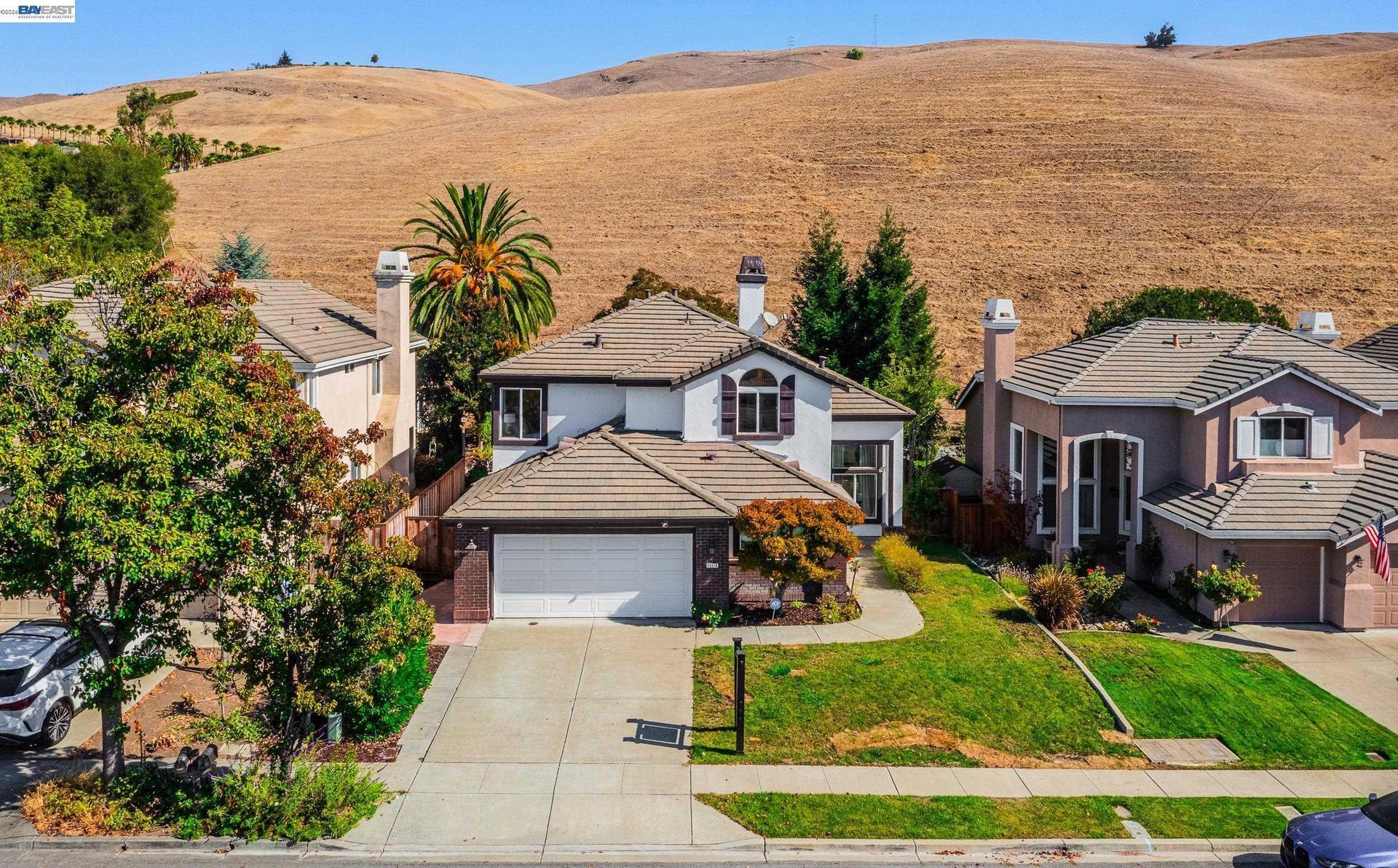

Tracy: Gateway to the Central Valley
Updated November 9, 2026
Tracy: Gateway to the Central Valley
Tracy is a San Joaquin County city with an established downtown, older residential neighborhoods, newer planned communities, employment districts, parks, schools, and continued residential and commercial development. Housing ranges from older central Tracy properties and established subdivisions to townhomes, condominiums, and newer homes in areas such as Tracy Hills and Ellis.
📝 Introduction
Tracy's development is closely connected to transportation. The community emerged after railroad construction created a junction near the western edge of the San Joaquin Valley in 1878. Agriculture later became an important part of the local economy, followed by substantial residential, commercial, and industrial expansion as development moved east from the Bay Area. Today, Tracy contains housing from several construction periods along with major freeway corridors, distribution and employment areas, planned communities, and land still undergoing development.
📍 What Defines Tracy
- Tracy developed around a railroad junction that connected routes through the San Joaquin Valley and across the Altamont Pass.
- Interstate 205, Interstate 580, and nearby Interstate 5 place the city near several major Northern California transportation corridors.
- Downtown Tracy retains the city's historic commercial core around Central Avenue and surrounding streets.
- The Tracy ACE station provides passenger rail service through the Altamont corridor toward Livermore, Pleasanton, Fremont, Santa Clara, and San Jose.
- Newer development areas such as Tracy Hills and Ellis have expanded the city's residential footprint beyond its older central neighborhoods.
🎉 Fun Fact
Tracy was founded at a railroad crossing in 1878 and is believed to have been named for Lathrop J. Tracy, an Ohio grain merchant and railroad director. The city's railroad history remains an important part of its downtown identity and local historical collections.
🏡 Residential Setting and Housing
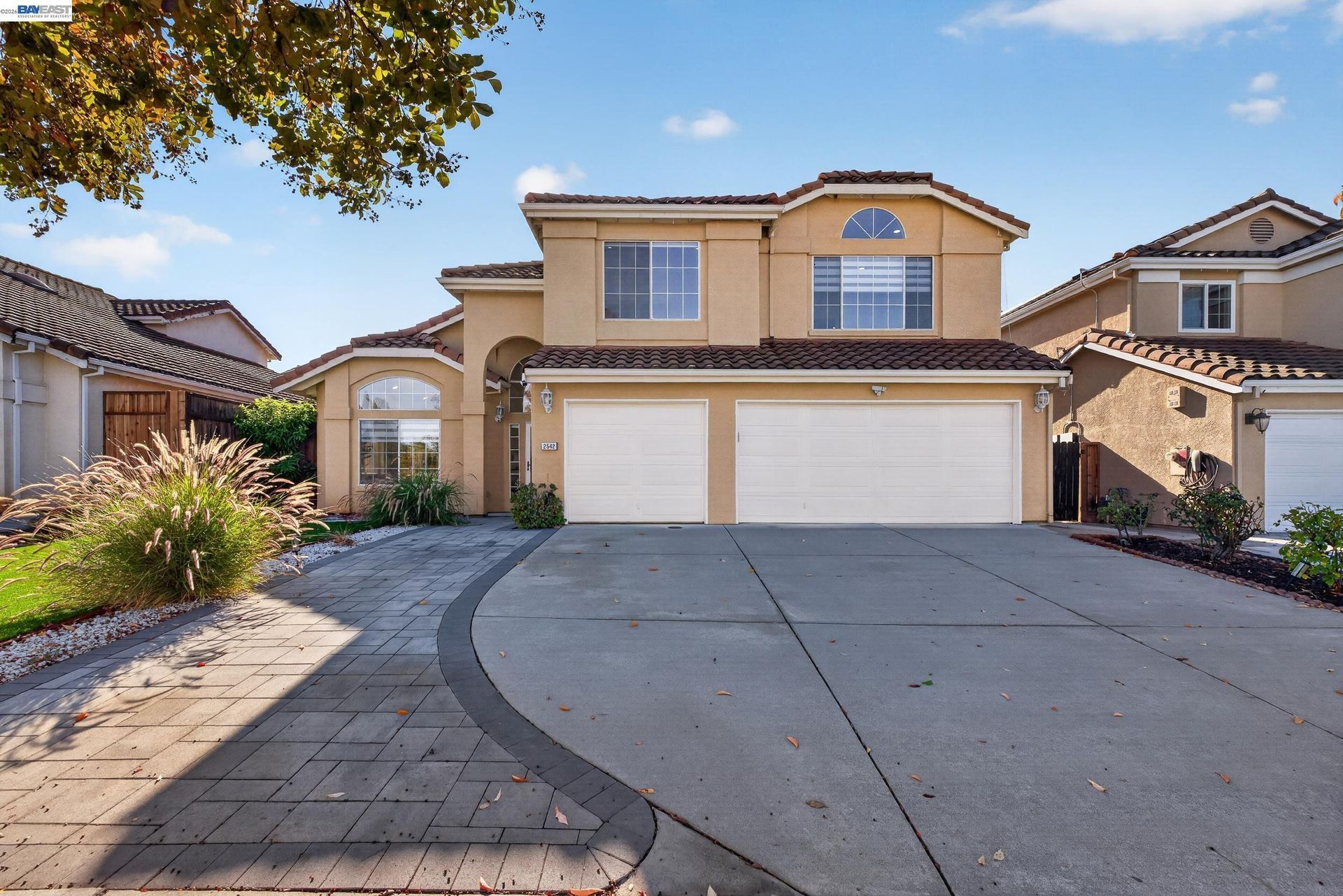
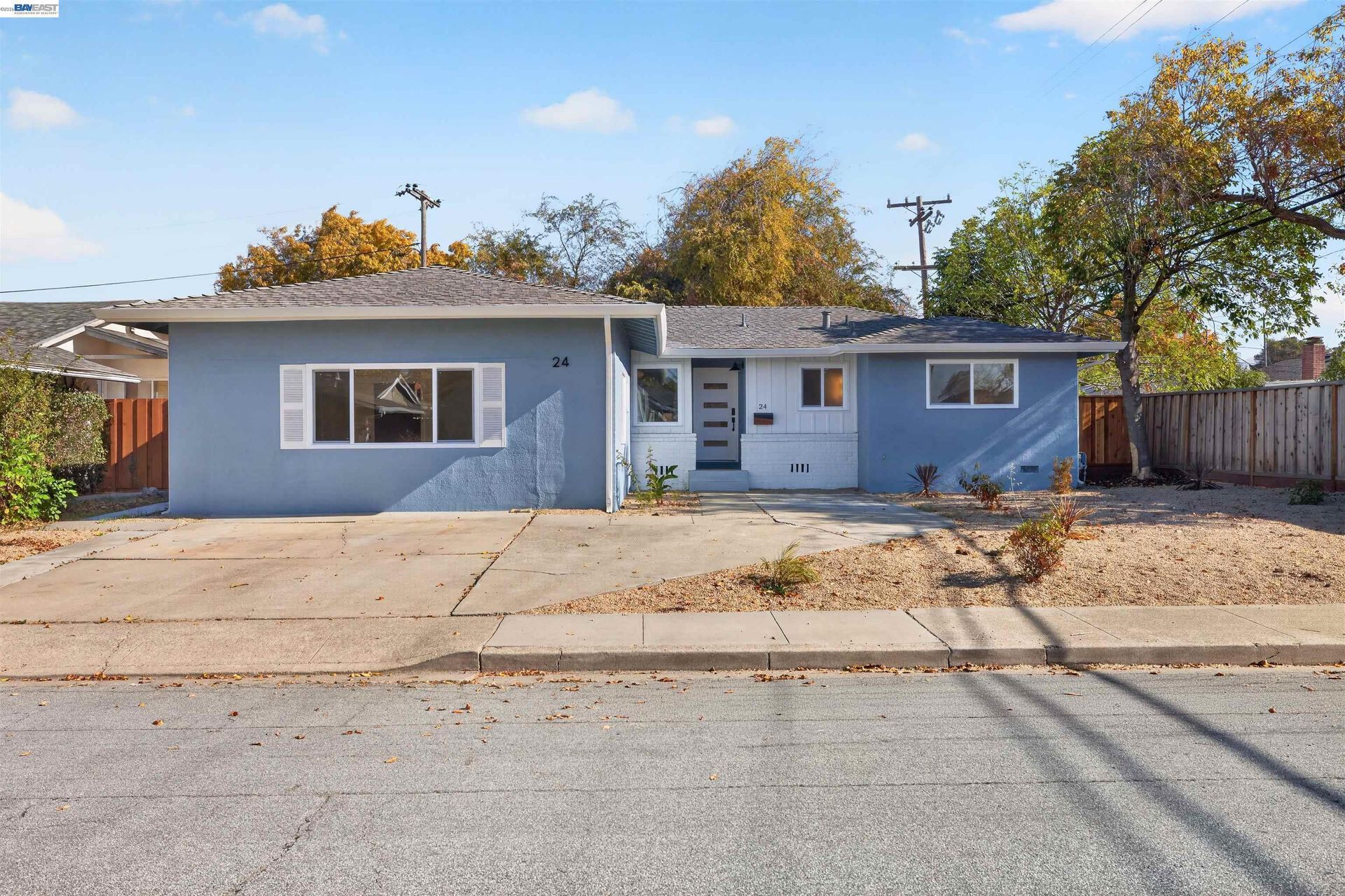
- Older Detached Homes: Established parts of Tracy contain detached homes built during several construction periods. Lot dimensions, additions, accessory dwelling units, remodeling, parking arrangements, pools, solar systems, landscaping, and permit history can vary considerably from one property to another.
- Established Subdivision Homes: Postwar and later subdivisions include detached homes with a range of floor plans, lot configurations, garage arrangements, and exterior improvements. Properties developed during similar periods can now differ because of additions, interior remodeling, landscaping changes, solar installations, and other improvements.
- Newer Planned-Community Homes: Areas developed more recently include detached homes with contemporary floor plans, newer building systems, and subdivision-specific features. Some properties may also involve homeowners association requirements, special assessments, solar arrangements, or builder-related documents.
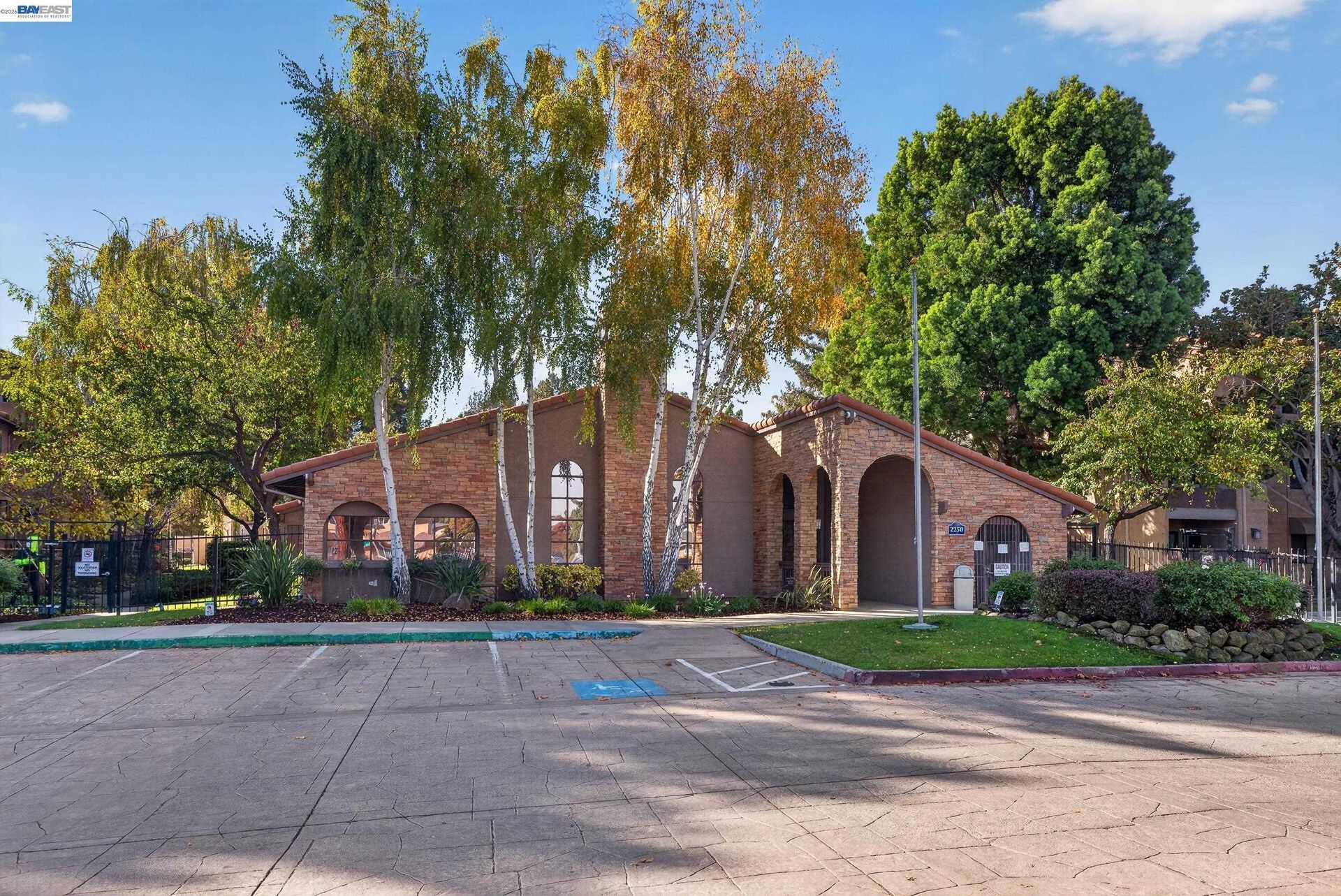
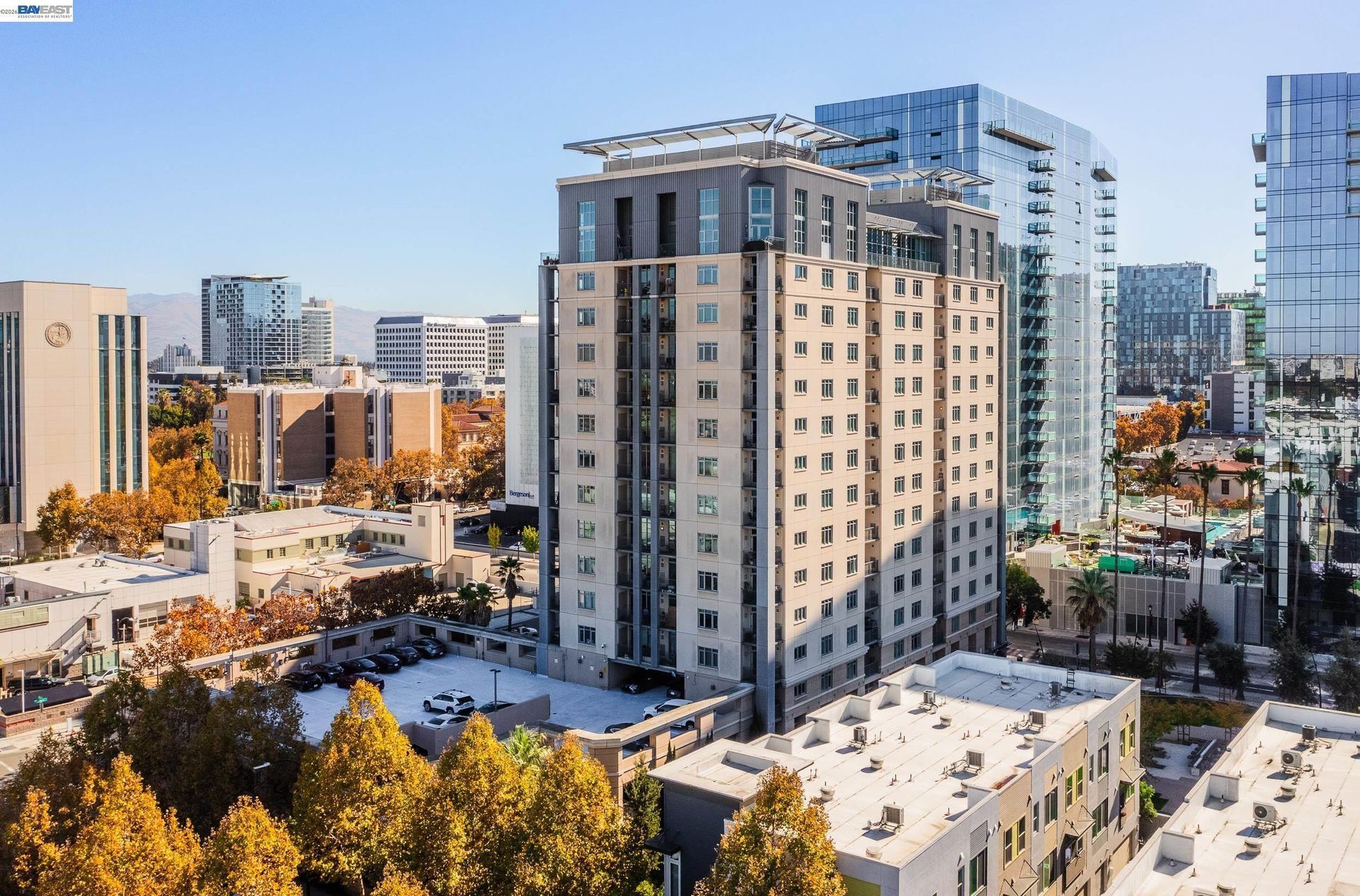
- Townhomes and Condominiums: Attached housing is available in parts of Tracy and can include shared common areas, association fees, parking provisions, exterior maintenance responsibilities, insurance requirements, and community-specific rules.
- Property and Lot Characteristics: Tracy properties range from smaller residential lots to larger parcels depending on location and development period. Outdoor improvements, accessory structures, pools, landscaping, setbacks, and permitted additions can also affect how individual homes compare within the local market.
💼 Business and Employment Areas
- Downtown Tracy: Central Avenue and surrounding downtown blocks contain restaurants, shops, professional services, civic uses, arts facilities, and the Tracy Transit Station.
- I-205 Corridor: Retail centers, hotels, restaurants, services, and commercial properties occupy substantial areas along and near Interstate 205.
- Northeast Industrial Area: Industrial, warehouse, distribution, manufacturing, and employment uses occupy large areas in northern and northeastern Tracy.
- Cordes Ranch: This planned employment district near Interstate 205 contains business park and industrial land governed by the Cordes Ranch Specific Plan.
- South and West Tracy Growth Areas: Residential expansion has brought additional neighborhood commercial sites and services to areas farther from the original downtown core.
📊 Real Estate Overview
Tracy real estate reflects several periods of city growth. Older central homes, established subdivisions, newer master-planned communities, townhomes, condominiums, and properties near developing areas can differ substantially in lot configuration, construction standards, homeowners association obligations, special assessments, permit history, transportation access, and surrounding land use.
Property Differences by Setting
- Older Tracy properties may have additions, converted garages, accessory dwelling units, electrical or plumbing upgrades, solar systems, pools, and other improvements completed over several decades. Available City permit records can help clarify which portions of a property are original and which were changed later.
- Newer communities such as Tracy Hills and Ellis have different development patterns from established central neighborhoods. Buyers may need to review builder warranties, association documents where applicable, assessments, landscaping responsibilities, solar arrangements, and the status of nearby phases that remain under construction.
- Properties near Interstate 205, Interstate 580, rail lines, industrial districts, or major commercial corridors can have a different setting from homes on interior residential streets. Traffic patterns, nearby land uses, road projects, employment development, and future construction should be evaluated for the individual address.
Development and Land Use Context
- Development patterns in Tracy vary by location, with established neighborhoods, newer planned communities, employment districts, and areas that remain under active development. Property research should consider the surrounding land use, nearby projects, subdivision plans, and any applicable zoning or development requirements.
- Areas such as Tracy Hills, Ellis, Cordes Ranch, the I-205 corridor, and industrial districts follow separate planning frameworks that can affect future construction, road improvements, commercial growth, and nearby residential development.
🌳 Parks, Trails and Local Attractions
- Grand Theatre Center for the Arts: Located in downtown Tracy, the municipal arts center occupies a restored historic theater complex and presents performances, exhibitions, arts education, and community programming.
- Legacy Fields: This 72.2-acre sports complex on North Tracy Boulevard contains ball fields, lighted soccer fields, picnic facilities, and open space.
- Dr. Powers Park: This 11.3-acre park on West Lowell Avenue provides tennis courts, disc golf, a playground, picnic areas, and open recreation space.
- Tracy Historical Museum: Housed in Tracy's former 1937 post office, the museum maintains photographs, artifacts, and exhibits documenting the city's railroad, agricultural, and community history.
- El Pescadero Park and Tracy Recreation Activity Center: The park and recreation center are undergoing major improvements, with the City's current schedule targeting completion of the recreation project in spring 2027.
🏘️ Residential Settings Across Tracy
- Central and Downtown Tracy: Residential streets near the older city core contain homes built during several periods and are positioned near downtown businesses, civic facilities, parks, and established street networks.
- Western Tracy: Established residential areas west of the central city contain subdivisions along with parks, schools, commercial services, and connections toward Interstate 205 and Interstate 580.
- Southern Tracy: Residential areas south of central Tracy include established subdivisions as well as newer development extending toward Corral Hollow Road and the foothill areas.
- Tracy Hills: This large planned development area south of the established city contains newer residential neighborhoods, parks, community facilities, and land in multiple development phases. The Tracy Hills Specific Plan governs development within the plan area.
- Ellis: The Ellis Specific Plan area on the western and southwestern side of Tracy contains newer residential development. Individual subdivisions can differ in builders, lot layouts, association requirements, infrastructure, and development timing.
🚆 Transportation and Regional Access
- Interstate 205 crosses northern Tracy and connects with Interstate 580 west of the city.
- Interstate 580 provides a major route through the Altamont Pass toward Livermore and the East Bay.
- Interstate 5 is located east of Tracy and provides a major north and south Central Valley connection.
- The Tracy ACE station provides weekday passenger rail service through the Altamont corridor toward Livermore, Pleasanton, Fremont, Santa Clara, and San Jose.
- The downtown Tracy Transit Station at 50 East 6th Street is separate from the ACE rail station and serves the City's TRACER bus system.
- TRACER operates fixed-route and on-demand services within Tracy, including connections serving residential areas, commercial destinations, and the ACE station.
📚 Schools and Education
- Tracy High School: The East 11th Street campus offers programs that include International Baccalaureate, Agricultural Science Academy, Performing Arts Magnet, Fire Service, AVID, FFA, and multiple Career Technical Education pathways.
- Kimball High School: Kimball's Career Technical Education options include construction, architecture, game design, and consumer home economics, while its College and Career Center provides information on dual enrollment and postsecondary planning.
- West High School: West High offers the Space & Engineering Academy along with Advanced Placement, JROTC, agriculture, visual and performing arts, music, AVID, and other academic and career-oriented programs.
- Monte Vista Middle School: Located on West Lowell Avenue, Monte Vista serves the middle grades and provides academic support, student activities, and district programs within Tracy Unified.
- Art Freiler School: Freiler opened in 2001 as a K-8 science and technology magnet school and remains part of Tracy Unified's TK-8 school network. Its history provides a different instructional background from the district's traditional elementary and middle-school campuses.
✅ What Can You Do?
For Buyers
- Compare older Tracy homes with newer planned-community properties separately because construction period, lot size, association requirements, assessments, and improvement history can differ substantially.
- For Tracy Hills, Ellis, or another developing area, identify which surrounding phases are completed, under construction, approved, or still proposed before evaluating the property's future setting.
- Review permit records for additions, garage conversions, accessory dwelling units, pools, solar installations, and major remodeling on established homes.
- If regional transportation is important, compare the property's actual driving route to Interstate 205 or Interstate 580 and its distance from the ACE station rather than relying on a general Tracy location.
- For newer subdivisions, review any homeowners association documents, special assessments, builder information, solar agreements, and community-specific obligations attached to the property.
For Sellers
- Organize permits and improvement records for additions, accessory dwelling units, pools, solar systems, converted spaces, and substantial remodeling completed during ownership.
- For newer homes, prepare association documents, assessment information, builder records, solar agreements, and warranties that remain relevant to the property.
- If nearby land is still being developed, describe completed construction separately from approved or proposed future phases.
- When marketing transportation access, distinguish the ACE rail station from the downtown Tracy Transit Station and describe the actual route from the property.
- Select comparable sales that reflect the home's construction period, subdivision, lot characteristics, association status, and immediate Tracy setting rather than relying primarily on a citywide figure.
❓ FAQ
Q: Why did Tracy develop where it did?
A: Tracy grew around a railroad junction established in 1878 near the base of the Altamont Pass. Rail operations and surrounding agriculture shaped the city's early economy before later residential and industrial expansion.
Q: What is different about buying in Tracy Hills or Ellis compared with an older Tracy neighborhood?
A: Tracy Hills and Ellis are newer planned development areas where properties can involve newer construction, subdivision-specific rules, association or assessment obligations, and nearby phases that may still be developing. Older neighborhoods are more likely to require closer review of decades of additions, remodeling, and permit history.
Q: Does Tracy have passenger rail service?
A: Yes. The Tracy ACE station provides weekday rail service through the Altamont corridor toward Livermore, Pleasanton, Fremont, Santa Clara, and San Jose. The ACE station is separate from the downtown Tracy Transit Station used by local TRACER buses.
🔚 Conclusion
Tracy real estate ranges from older homes near the historic city core to established subdivisions and large newer communities such as Tracy Hills and Ellis. Development period, permits, subdivision rules, transportation access, assessments, and the status of nearby construction can create meaningful differences between properties. Reviewing the individual address together with current City planning information and property records provides a clearer basis for evaluating Tracy real estate.
This blog is for general informational purposes only and does not constitute legal, tax, accounting, investment, or professional advice. Always consult with qualified professionals before making any decisions based on this content. School information including addresses, phone numbers, and emails was accurate as of the blog’s published date but may change without notice. Please verify directly with the school or institution. This content is provided “as is,” without warranties of any kind. If you are currently under an exclusive agreement with another real estate broker, this blog is not intended as a solicitation.
Contact Us