
Palo Alto: Birthplace of Silicon Valley
Updated October 14, 2026
Palo Alto: Birthplace of Silicon Valley
Palo Alto is closely associated with the early development of Silicon Valley and combines established residential areas, downtown commercial districts, major employment centers, Caltrain access, parks, and extensive natural open space. Housing includes detached single family homes, condominiums, townhomes, apartments, multifamily properties, and mixed use development, with property characteristics varying considerably across the city.
📝 Introduction
Palo Alto is a Peninsula city known for its connection to Silicon Valley history, downtown University Avenue, California Avenue, Stanford Research Park, established residential areas, parks, and large open space preserves. The city extends from the San Francisco Baylands toward the foothills, creating substantial differences in housing, lot size, architecture, development period, commercial access, and surrounding land uses. Stanford University lies directly adjacent to Palo Alto and has also played an important role in the area’s research, employment, and technology history.
📍 What Defines Palo Alto
- Downtown Palo Alto is centered around University Avenue and includes restaurants, shops, offices, residential properties, and access to the Palo Alto Transit Center.
- California Avenue forms another established commercial district with restaurants, retail, services, offices, housing, and nearby Caltrain access.
- Stanford Research Park is one of Palo Alto’s major employment districts and has played an important role in the development of the region’s technology economy.
- The city contains several residential sections with homes from different development periods, architectural styles, and lot configurations.
- Palo Alto also maintains extensive natural open space, including Baylands Nature Preserve, Foothills Nature Preserve, Pearson-Arastradero Preserve, and Esther Clark Preserve.
🎉 Fun Fact
The HP Garage in Palo Alto is closely associated with the beginning of Silicon Valley. William Hewlett and David Packard began their company in a Palo Alto garage in 1939, and the property later became a California Historical Landmark associated with the birthplace of Silicon Valley.
🏡 Residential Setting and Housing
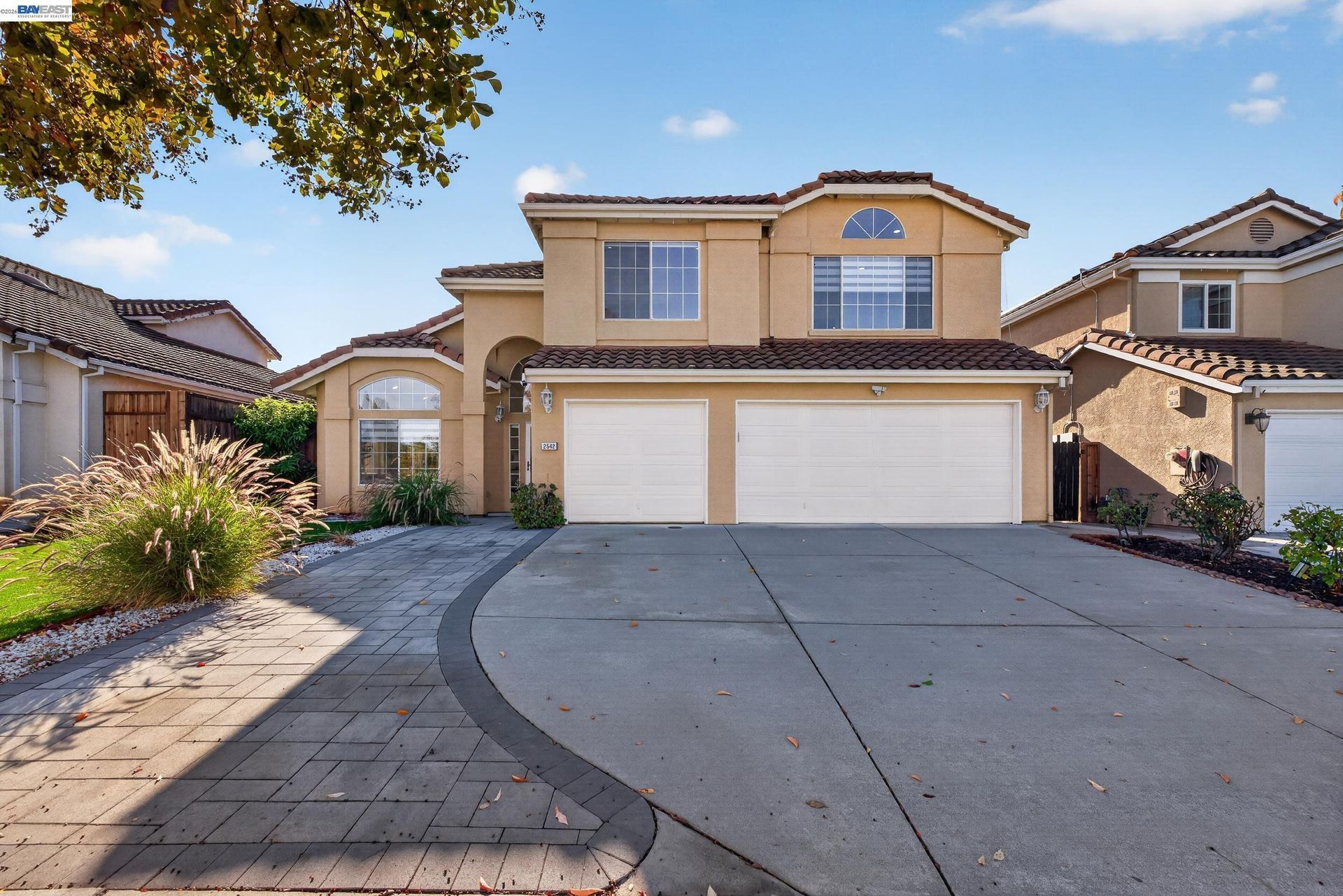
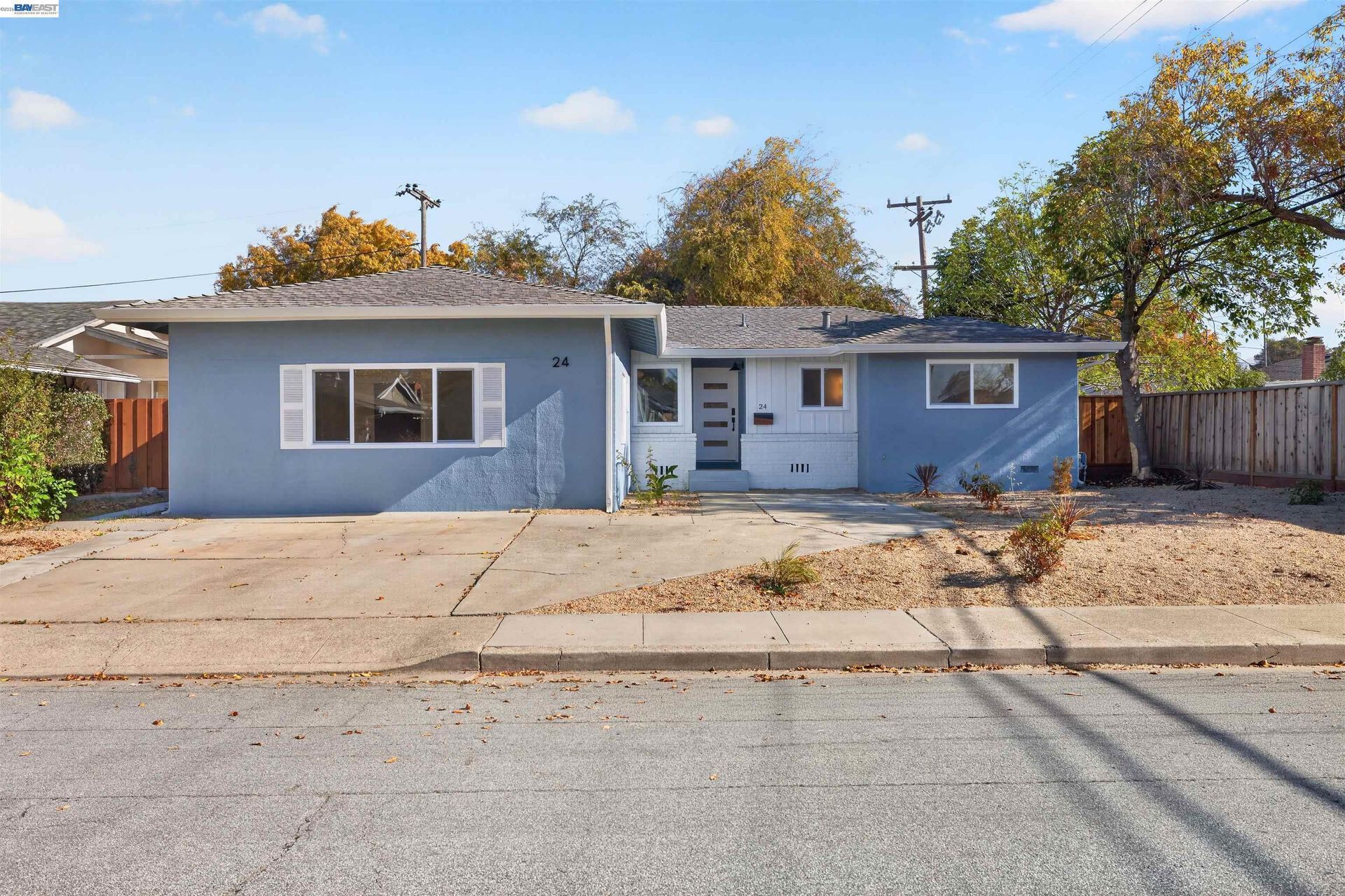
- Single Family Homes: Detached homes make up a substantial portion of the city’s residential inventory and vary widely in architecture, lot size, age, remodeling, and site characteristics.
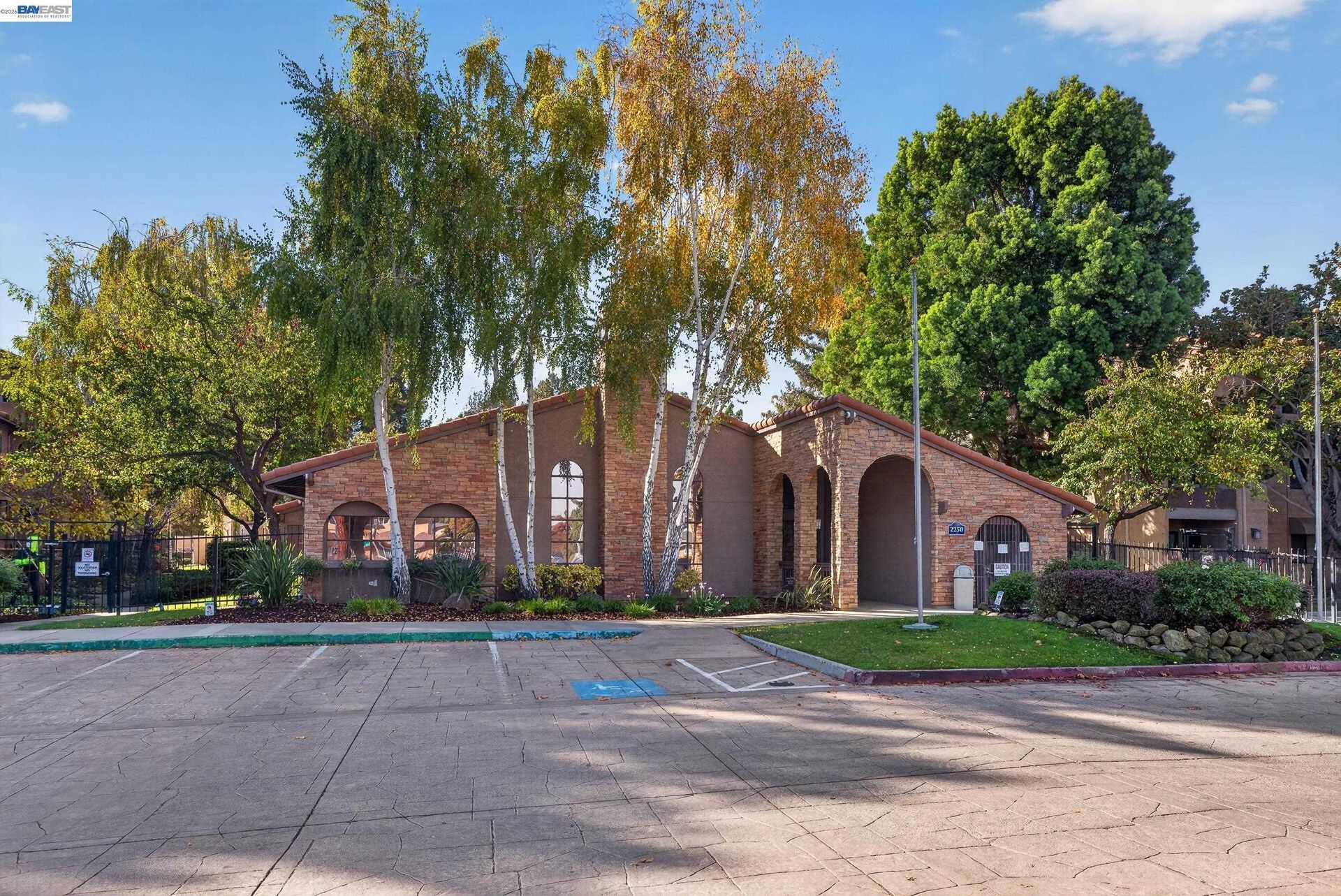
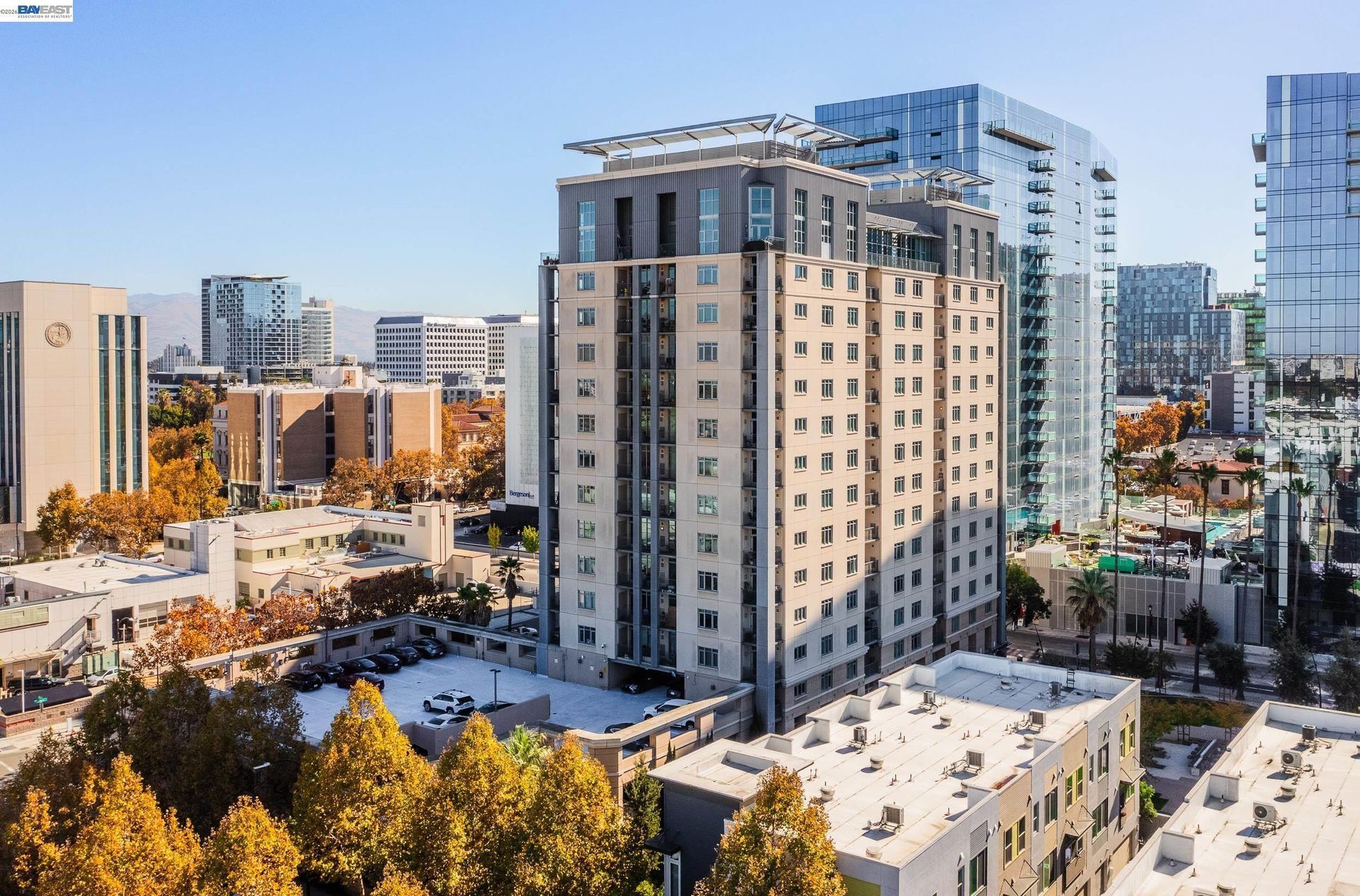
- Condos and Townhomes: Attached housing is found in several parts of Palo Alto, including locations near commercial districts, El Camino Real, California Avenue, and transportation corridors.
- Apartments and Multifamily Housing: Multifamily properties are concentrated in selected areas near commercial streets, transit, and higher density zoning districts.
- Mixed Use Housing: Residential units are also found within or near commercial districts such as California Avenue, Downtown, and portions of El Camino Real.
- Accessory Dwelling Units: ADUs are another part of the city’s housing inventory on qualifying residential properties.
💼 Business and Employment Areas
- Downtown Palo Alto: University Avenue and surrounding streets contain retail, restaurants, offices, services, hotels, and residential uses.
- Stanford Research Park: This major employment district contains office, research, technology, and related commercial properties.
- California Avenue: This district combines restaurants, shops, services, office properties, housing, and access to Caltrain.
- Town & Country Village: Located near Embarcadero Road and El Camino Real, this commercial center contains retail, restaurants, and service businesses.
- Midtown and Charleston Areas: Smaller commercial centers provide additional neighborhood-serving retail and services. Palo Alto’s economic development research identifies Downtown, Stanford Shopping Center, California Avenue, Town & Country Village, Midtown, and Charleston Shopping Center as distinct commercial areas.
📊 Real Estate Overview
Palo Alto’s housing market includes established residential streets, downtown and transit-area properties, larger foothill parcels, attached housing, and multifamily development. Because these settings differ significantly, citywide averages alone may not provide an accurate basis for comparing individual properties.
Housing by Setting
- Older residential sections can include detached homes from several architectural periods, remodeled properties, rebuilt residences, condominiums, townhomes, and smaller multifamily buildings. Areas closer to University Avenue, California Avenue, or El Camino Real may include a greater mix of attached housing and commercial uses.
- Lot size, building age, condition, remodeling history, parking, street setting, and nearby land uses are especially important when selecting comparable sales.
Commercial Property Context
- Palo Alto’s commercial properties differ substantially by district. Downtown contains smaller office, retail, restaurant, and mixed use properties, while Stanford Research Park includes larger employment and research facilities.
- California Avenue, El Camino Real, Midtown, and other commercial areas add different combinations of retail, office, service, housing, and redevelopment sites. Property analysis should therefore reflect the specific district, zoning, use, tenancy, and site characteristics.
🌳 Parks, Open Space and Local Attractions
- Baylands Nature Preserve: Palo Alto’s Baylands contains extensive marsh and habitat areas, trails, wildlife observation locations, and connections to the Bay.
- Pearson-Arastradero Preserve: This open space area includes grasslands, woodland, trails, and connections toward the foothills.
- Foothills Nature Preserve: A large city-managed preserve with trails through woodland, chaparral, meadows, and streams.
- Gamble Garden: This historic property and garden on Waverley Street provides landscaped grounds and another connection to Palo Alto’s residential history.
- Downtown University Avenue: Restaurants, shops, offices, and public spaces form one of Palo Alto’s major commercial centers.
- Palo Alto Art Center: Located near Rinconada Park, the center provides exhibitions, art education, and community programming.
🏘️ Residential Areas Across Palo Alto
- Downtown North and University South: Residential streets near University Avenue include detached homes, apartments, condominiums, and properties close to downtown businesses and the Transit Center.
- Old Palo Alto: This established residential section contains detached homes representing several architectural periods and a range of lot configurations.
- Midtown: Centrally located residential streets are interspersed with parks and smaller commercial areas.
- Barron Park: Southwestern Palo Alto includes residential properties with varied lot sizes, street configurations, and proximity to El Camino Real and Stanford Research Park.
- South Palo Alto: Areas including Greenmeadow, Charleston Meadows, and nearby residential sections contain detached and attached housing developed during different periods.
🚆 Transportation and Regional Access
- Palo Alto has two Caltrain stations, one near University Avenue at the Palo Alto Transit Center and another serving the California Avenue district.
- The Palo Alto Transit Center also provides connections with local and regional bus and shuttle services.
- Stanford’s Marguerite shuttle connects locations including the Palo Alto Transit Center, Stanford campus, Stanford Research Park, and other nearby destinations.
- Major road connections include U.S. 101, Interstate 280, El Camino Real, Oregon Expressway, Page Mill Road, Embarcadero Road, University Avenue, and San Antonio Road.
- Palo Alto also maintains an established bicycle network with on-road routes, shared-use paths, bridges, and underpasses.
📚 Schools and Education
- Palo Alto High School: Offers programs including Advanced Authentic Research, AP Capstone, Career Technical Education, STEAM, visual and performing arts, and additional academic pathways.
- Henry M. Gunn High School: Provides academics across core subjects along with Career Technical Education, visual and performing arts, world languages, and additional student programs.
- Frank S. Greene Jr. Middle School: Offers a broad selection of electives, including music, languages, art, computers, drama, engineering technology, AVID, broadcast media, and leadership.
- Jane L. Stanford Middle School: Provides middle school academics together with AVID, electives, world languages, arts, Career Technical Education, and the inquiry-based Connections Program.
- Ohlone Elementary School: A PAUSD choice school offering an alternative educational model, project-based learning, a school farm, and a Mandarin Immersion option. Choice enrollment follows a district application and lottery process.
✅ What Can You Do?
For Buyers
- Compare properties within the same Palo Alto setting rather than using sales from unrelated sections of the city.
- For homes near University Avenue or California Avenue, review parking, commercial activity, transit access, and surrounding building types along with the residence itself.
- When considering Barron Park, foothill areas, or properties with larger lots, review site configuration, access, improvements, and property-specific conditions carefully.
- Check proximity to Stanford Research Park, El Camino Real, U.S. 101, Interstate 280, or Caltrain according to the transportation connections relevant to the property.
- Confirm school assignments and any choice-program enrollment procedures directly through PAUSD using the exact property address.
For Sellers
- Choose comparable sales that reflect the property’s immediate Palo Alto area, lot characteristics, architecture, condition, and housing type.
- Describe access to University Avenue, California Avenue, parks, open space, Caltrain, or employment centers using factual location information.
- Highlight improvements, lot configuration, architectural characteristics, parking, outdoor areas, and other verifiable property features.
- For properties near commercial corridors or employment districts, clearly present surrounding land uses and access rather than relying on broad statements about desirability.
- Verify current school information before including school assignments or educational references in marketing materials.
❓ FAQ
Q: Why is Palo Alto called the Birthplace of Silicon Valley?
A: Palo Alto is closely connected with the early technology companies and research activity that helped shape Silicon Valley. Hewlett-Packard began in a Palo Alto garage in 1939, and Stanford Research Park later became an important location for technology, research, and engineering companies.
Q: What types of housing are found in Palo Alto?
A: Palo Alto includes detached single family homes, condominiums, townhomes, apartments, multifamily properties, mixed use housing, and accessory dwelling units. Housing characteristics vary significantly by location, lot size, development period, and surrounding land use.
Q: Is Stanford University located within the City of Palo Alto?
A: Stanford University is directly adjacent to Palo Alto but is not within the incorporated city limits. Its campus, employment, research, transportation, and commercial connections remain closely linked with Palo Alto.
🔚 Conclusion
Palo Alto combines Silicon Valley history, established residential areas, major employment centers, downtown commercial districts, regional transportation, parks, and extensive natural open space. Its housing varies substantially in architecture, lot size, density, development period, and surrounding land use. For real estate research, evaluating those property and area-specific differences provides more useful information than treating Palo Alto as one uniform market.
This blog is for general informational purposes only and does not constitute legal, tax, accounting, investment, or professional advice. Always consult with qualified professionals before making any decisions based on this content. School information including addresses, phone numbers, and emails was accurate as of the blog’s published date but may change without notice. Please verify directly with the school or institution. This content is provided “as is,” without warranties of any kind. If you are currently under an exclusive agreement with another real estate broker, this blog is not intended as a solicitation.
Contact Us