
Wire Fraud Awareness
Published January 16, 2026
Wire Fraud Awareness
Wire fraud attempts are increasing in real estate transactions. Sellers who understand how funds are targeted and how to protect themselves are preventing costly losses and keeping closings secure.
📝 Introduction
One of the most urgent yet under-discussed risks in 2026 real estate transactions is wire fraud. Cybercriminals are increasingly targeting sellers during escrow by impersonating agents, escrow officers, or title companies. These attempts often occur near closing when large sums are moving quickly. Sellers who are unaware of how these scams work are at risk. Sellers who prepare early and follow strict verification steps are protecting their proceeds and closing with confidence.
5 Pro Moves Sellers Must Make to Avoid Wire Fraud
1. Never Trust Last-Minute Wiring Changes
Fraud attempts often happen close to closing.
Now: Treat any sudden change to wiring instructions as suspicious.
2. Verify Instructions Using Known Contact Information
Emails and texts can be spoofed.
Now: Call your escrow officer using a verified phone number before sending funds.
3. Understand How Escrow Will Communicate With You
Knowing the process reduces confusion.
Now: Confirm upfront how and when wiring instructions will be provided.
4. Avoid Clicking Links in Unexpected Messages
Phishing links are common entry points.
Now: Access escrow portals only through known official channels.
5. Work With Professionals Who Emphasize Security
Prevention starts with process.
Now: Choose representation that prioritizes communication and verification.
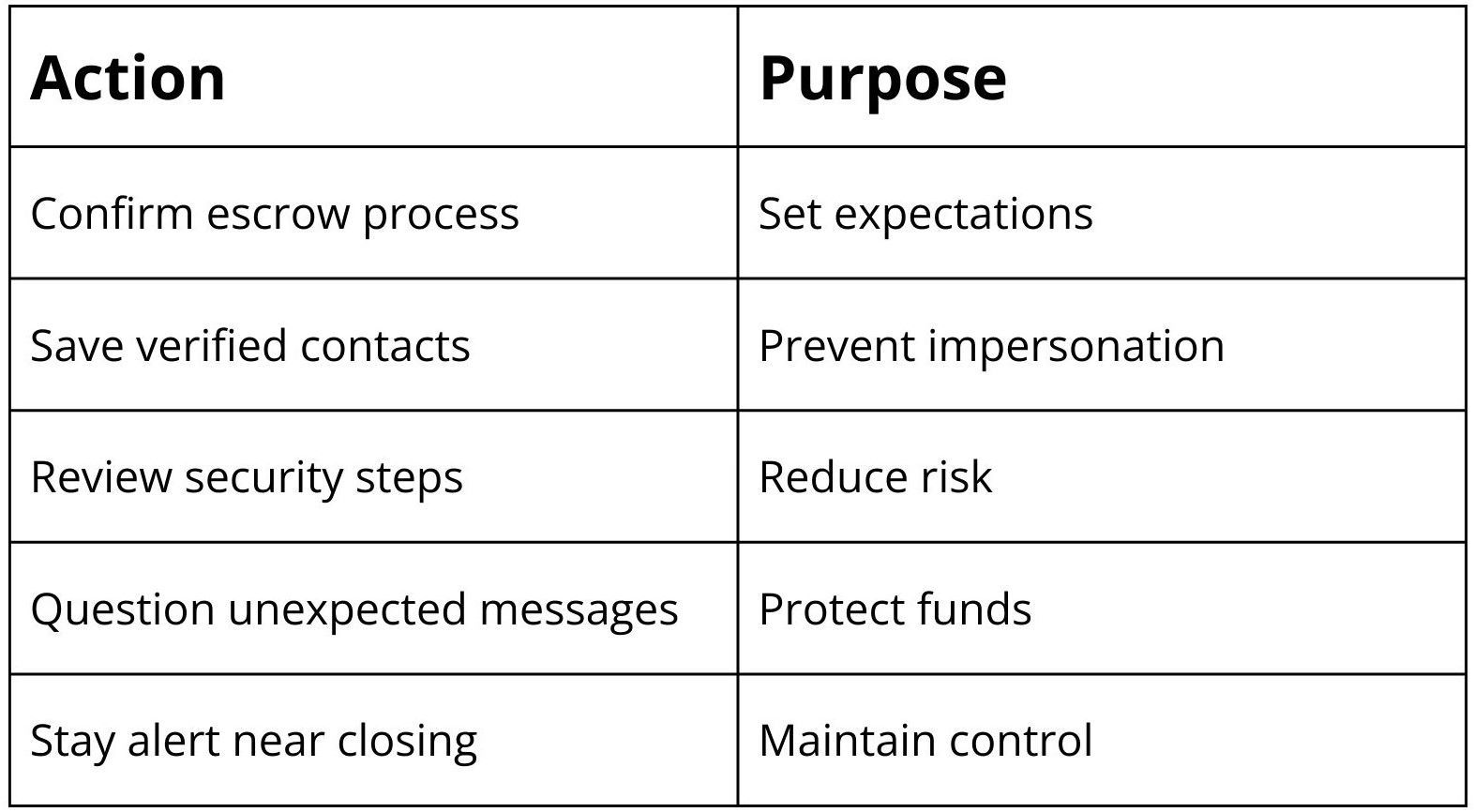
✅ What You Should Do Right Now
❓ FAQ
Q: Are sellers really being targeted for wire fraud?
A: Yes. Sellers are frequently targeted because large sums move during closing.
Q: Can funds be recovered if sent incorrectly?
A: In many cases no. Prevention is critical.
🔚 Conclusion
Wire fraud is one of the most serious risks facing sellers today. Awareness and verification are the strongest defenses. Sellers who stay informed, slow down at critical moments, and verify every step are protecting their proceeds and ensuring a secure closing. In 2026, security is part of smart selling.
This blog is for general informational purposes only and does not constitute legal, tax, accounting, investment, or professional advice. Always consult with qualified professionals before making any decisions based on this content. School information including addresses, phone numbers, and emails was accurate as of the blog’s published date but may change without notice. Please verify directly with the school or institution. This content is provided “as is,” without warranties of any kind. If you are currently under an exclusive agreement with another real estate broker, this blog is not intended as a solicitation.
Contact Us