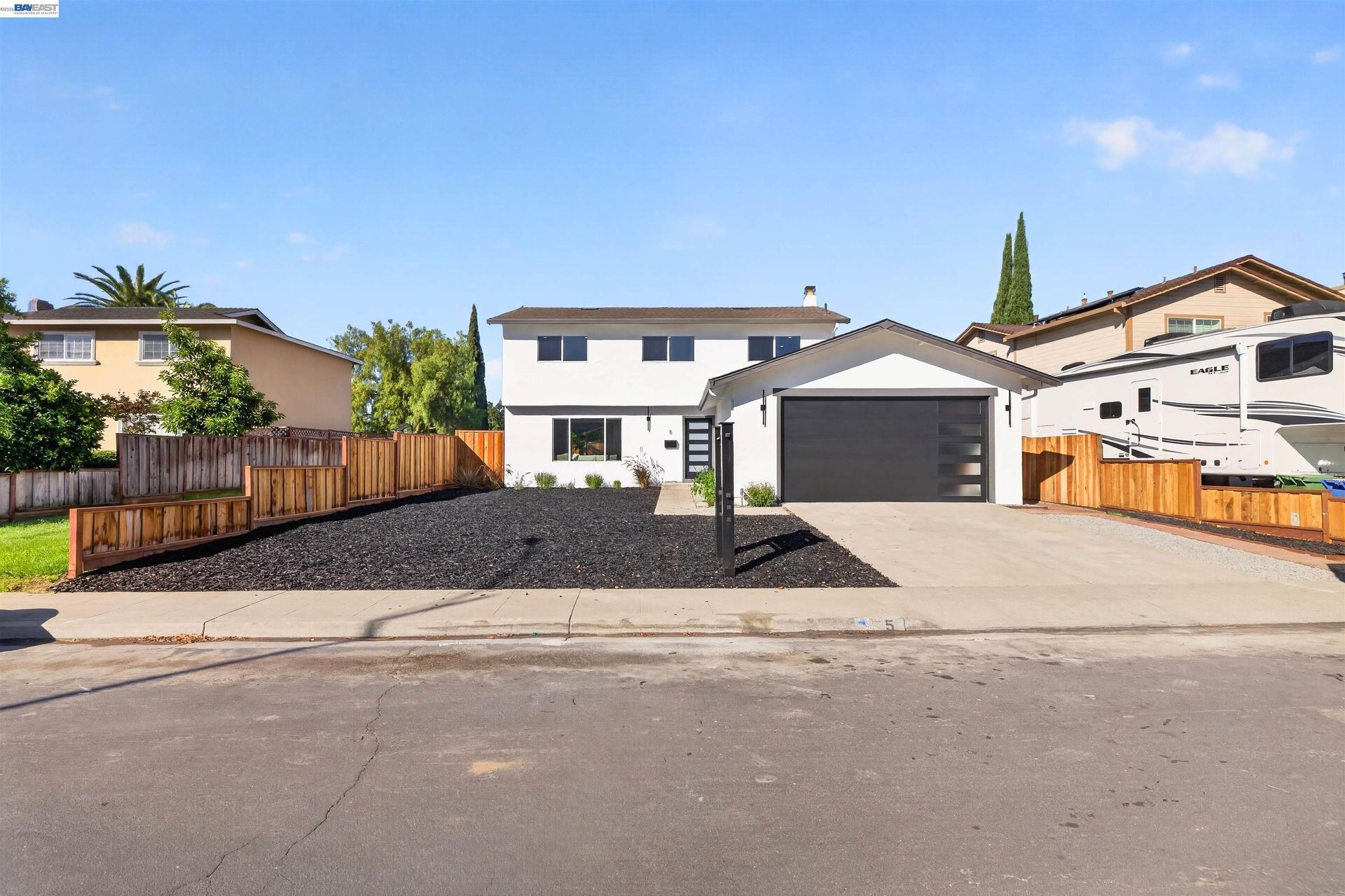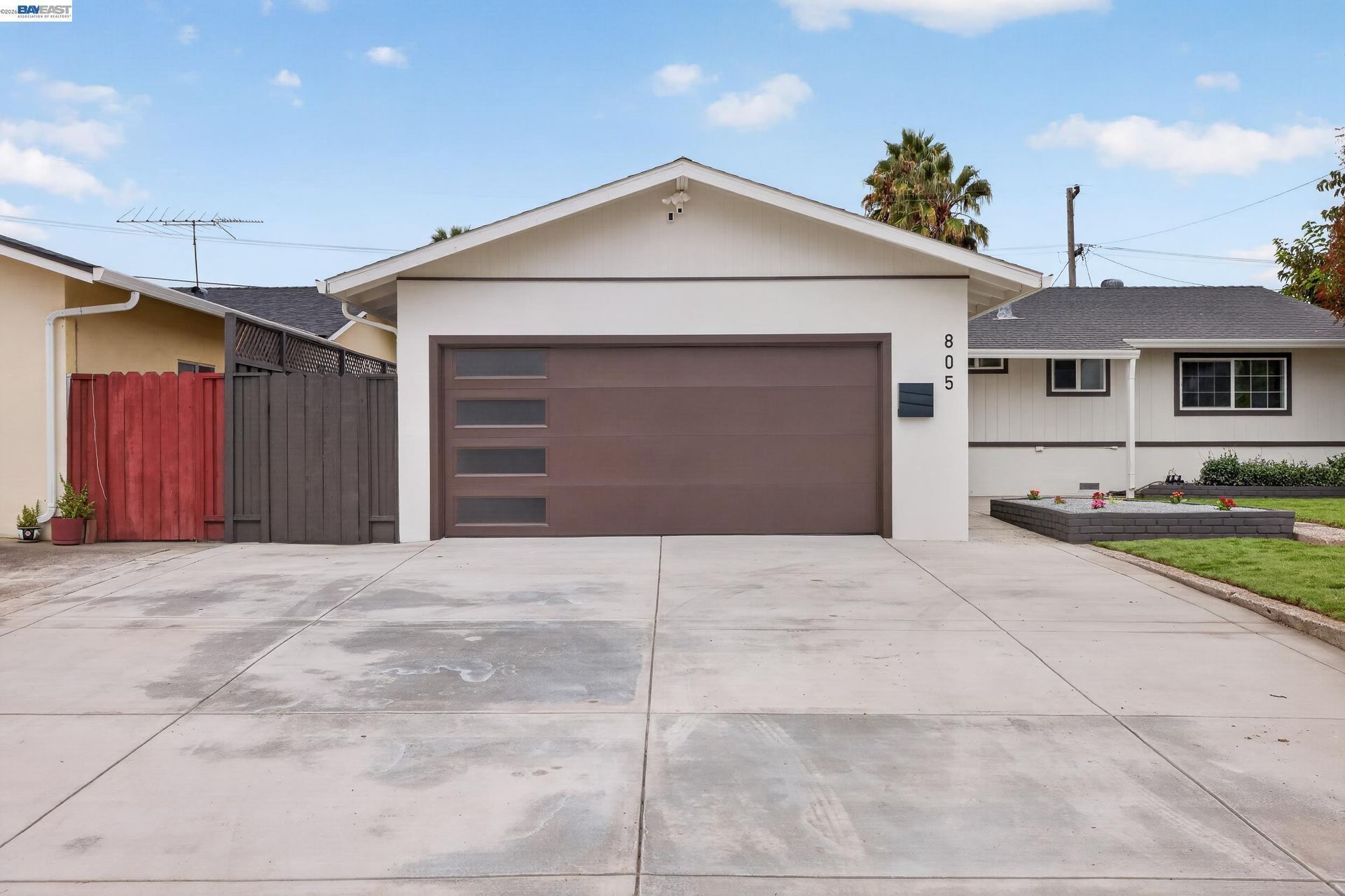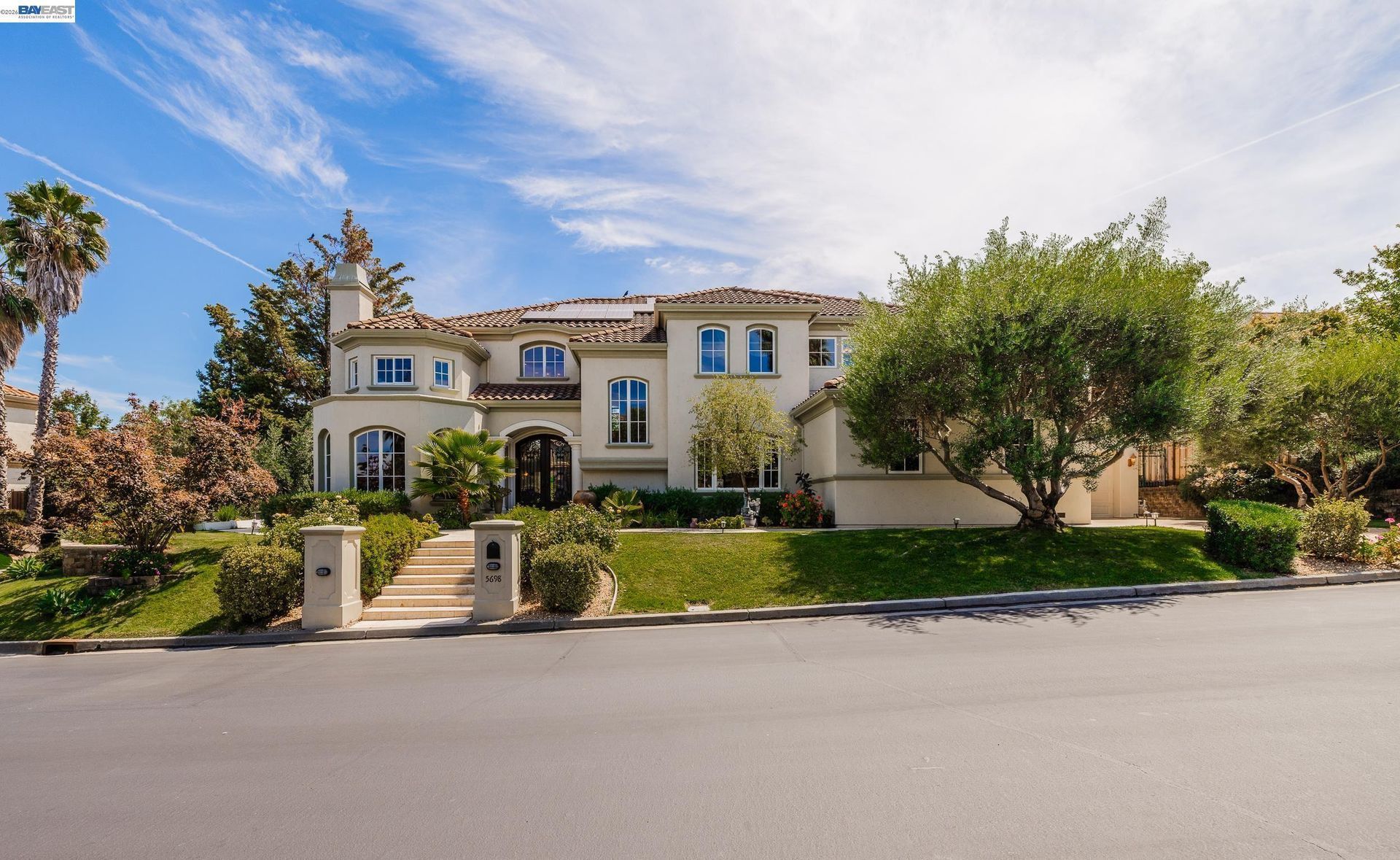

Homebuyers: Neighborhood Safety & Security
Published September 24, 2024

Homebuyers: Neighborhood Safety & Security
Hello everyone,
Choosing the right home involves more than admiring its layout and design; safety is a critical factor that impacts both your quality of life and the investment value of the property. In this post, I'll guide you through the essential steps to assess the safety and security of a neighborhood, ensuring you make a secure and informed decision.
How to Determine Neighborhood Safety
- Review Crime Statistics: Begin your evaluation by looking up local crime data. Various websites provide detailed crime reports and safety ratings for neighborhoods. This information helps you avoid areas with high crime rates and identify safer choices.
- Assess Law Enforcement Presence: The presence of law enforcement can greatly influence a neighborhood’s safety. Visit the local police station, inquire about patrol frequency, and observe whether police are regularly seen in the neighborhood.
- Conduct a Neighborhood Walkthrough: Personally visiting the neighborhood at different times, including evenings, gives you the best sense of the area. Focus on:
- Street Lighting: Adequate lighting at night is essential for safety.
- Community Activity: Active neighborhoods with people around tend to be safer.
- Property Maintenance: Neat and well-maintained properties often reflect a community that cares about its environment.
- Talk to Residents:
Speaking directly with locals can provide unmatched insights into the area’s safety. Ask about their experiences and any concerns they might have.
- Look for Community Watch Programs: The presence of a neighborhood watch indicates a proactive approach to safety. Such communities are often more secure and better organized.
- Evaluate Emergency Services:
The accessibility of hospitals, fire stations, and quick emergency responses can be crucial in times of need. Check how well the area is served.
- Assess Traffic Safety:
Safe neighborhoods generally feature well-maintained roads, clear traffic signs, and measures like speed bumps to ensure pedestrian safety.
- Observe Home Security Measures: The level of security in homes, such as alarms and security gates, can indicate how residents perceive their safety.
- Research Future Developments: Upcoming changes in the neighborhood, like new construction projects or parks, can affect safety and community dynamics. Positive changes usually enhance community strength and safety.
Conclusion
Taking the time to thoroughly evaluate the safety of a neighborhood is vital. This process not only helps secure a pleasant living environment but also ensures that your property remains a valuable asset. Safety is a significant aspect of real estate that affects both current living conditions and future resale value.
Happy house hunting, and may you find not just a house, but a safe and welcoming home!
This blog is for general informational purposes only and does not constitute legal, tax, accounting, investment, or professional advice. Always consult with qualified professionals before making any decisions based on this content. School information including addresses, phone numbers, and emails was accurate as of the blog’s published date but may change without notice. Please verify directly with the school or institution. This content is provided “as is,” without warranties of any kind. If you are currently under an exclusive agreement with another real estate broker, this blog is not intended as a solicitation.
Contact Us